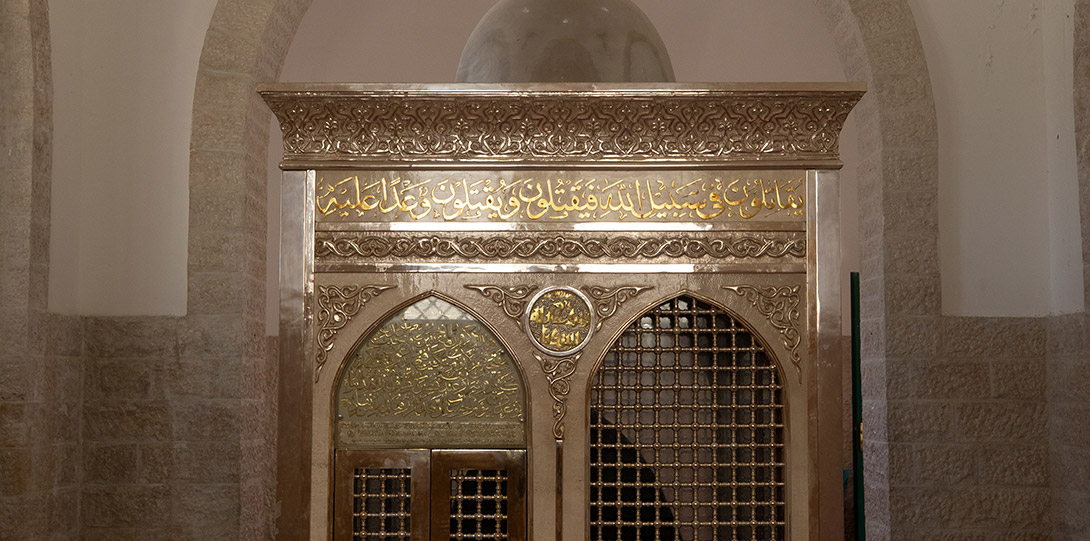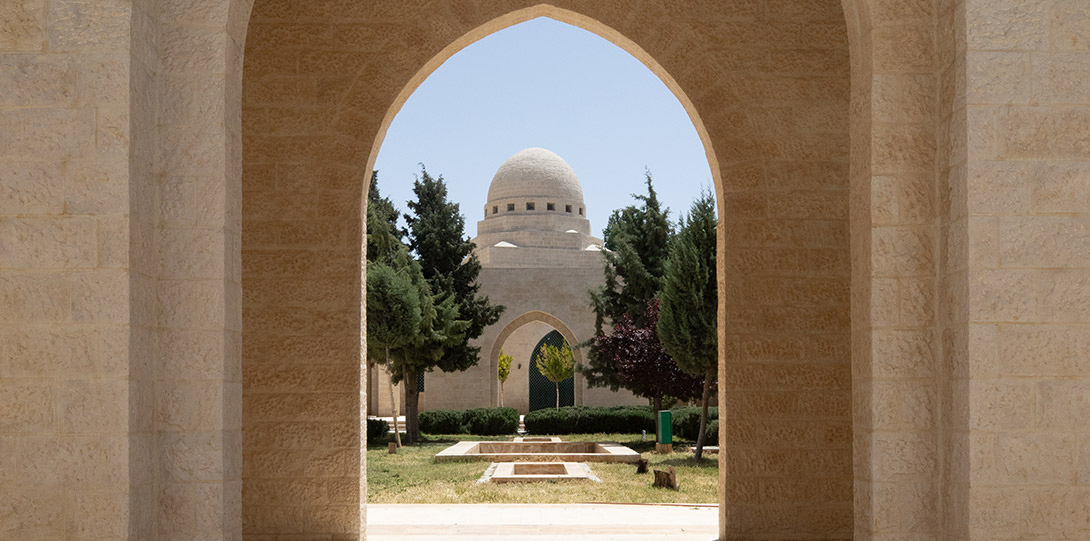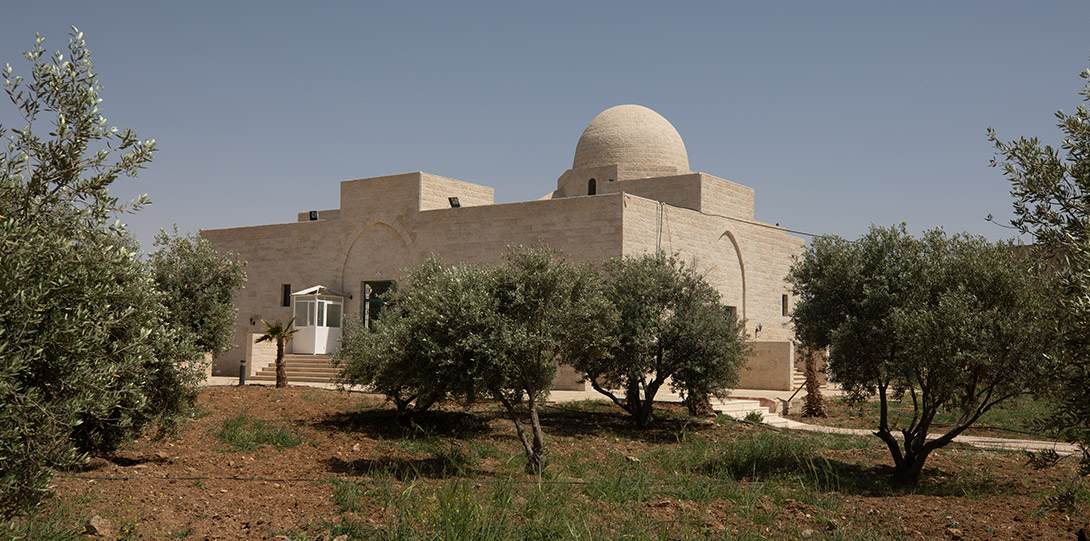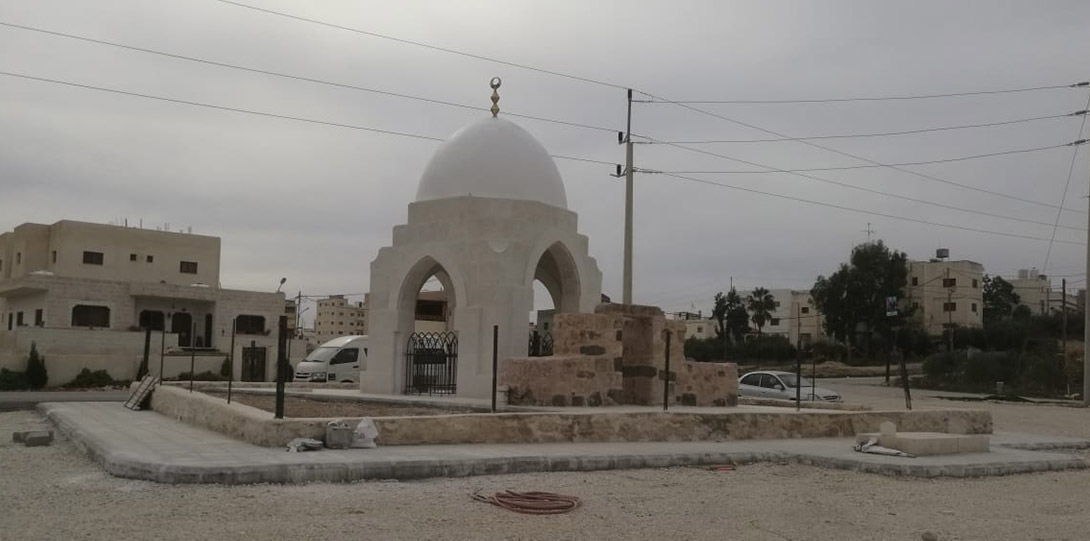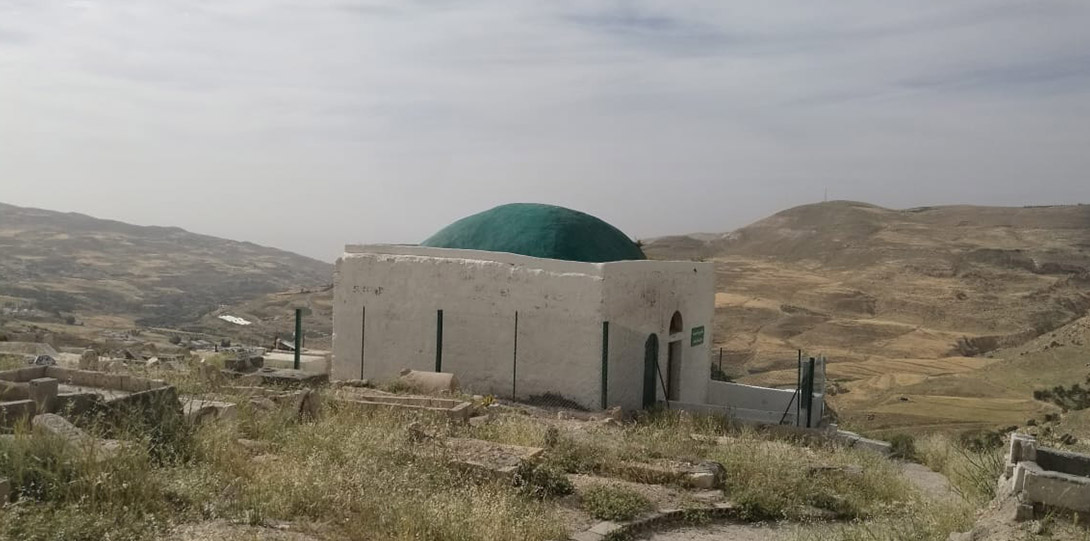
Mutah Battle Site
Mutah is a village in southern Jordan, in the Karak Governorate, where the famous Battle of Mutah took place. The reason for the battle was that the Messenger of Allah (peace be upon him) sent the noble companion Harith bin Omair al Azdi as an envoy to the King of Busra in the 8th year of Hijrah. However, Sharhabil bin Amro al Ghasani, the governor of the region for Caesar, killed him. This act was considered an announcement of war. The Prophet (peace be upon him) then prepared an army of 3,000 fighters and sent them to the Levant, appointing Zaid bin Harithah (may Allah be pleased with him) as their leader. He instructed them that if Zaid were killed, they should place Jafar in charge, and if Jafar were killed, they should make Abdullah bin Rawahah their leader. The Prophet (peace be upon him) also instructed them to go to the site of the martyrdom of Harith bin Omair (may Allah be pleased with him) and call the people there to Islam. If they accepted, they should not fight, but if they refused, they should seek help from Allah and fight them. He also gave them specific instructions: "Fight in the name of Allah, in the way of Allah, against those who disbelieve in Allah. Do not betray, do not act treacherously, do not kill children, women, or the elderly, do not harm monks in their monasteries, do not cut down palm trees or any trees, and do not destroy buildings." Near the city of Mutah, the Muslims stopped, numbering three thousand, while the Ghassanids and Byzantines numbered two hundred thousand. At that point, the Muslims, led by Zaid bin Harithah, chose to launch an attack on the Byzantines, and the attack took place after the Fajr prayer. The attack on the first day was a strong one in favor of the Muslims, as the Byzantines and Ghassanids did not expect a small army to initiate the attack. On the second day, the Muslims also initiated the attack, which was in their favor, and many Byzantines and their allies were killed. On the third day, the Byzantines initiated the attack, and it was the hardest and fiercest day. During this day, Zaid bin Haritha, Jafar bin Abi Talib, and Abdullah bin Rawaha were martyred. At that moment, a man from the Bani Ajlan tribe named Thabit bin Aqram advanced, took the flag, and said, "O people of Islam, choose a man from among you." They said, "You," but he replied, "I will not do it." The people then agreed on Khalid bin al Walid. When he took the flag, he fought fiercely. It was remarkable that this small army was able to stand firm against the large Byzantine army. At that time, Khalid bin al Walid displayed his skill in rescuing the Muslims from the difficulties they faced in the battle. The narrations indicate that Khalid bin al Walid successfully held off the Byzantine army throughout the first day of fighting. He was thinking of a military tactic to instill fear in the hearts of the Byzantines, enabling the Muslims to retreat without the Byzantines pursuing them. He knew very well that escaping from them would be very difficult if the Muslims were exposed and pursued by the Byzantines. So, Khalid (may Allah be pleased with him) reorganized the army and changed their positions, which terrified the enemies, who thought that reinforcements had arrived for the Muslims. Khalid bin al Walid (may Allah be pleased with him) relied on psychological warfare on the morning of the second day. He ordered several horsemen to stir up dust behind the army, raised their voices with Takbir and Tahleel, and also changed the flags and reorganized the army. He repositioned the front of the army to the rear and moved the right flank to the left. When the Byzantines saw this, they were confused and said, "Reinforcements have arrived for them." They were filled with fear. Then, after the two armies confronted each other, Khalid attacked the Byzantines and fought them fiercely. He then ordered the army to retreat in an organized manner, gradually pulling back the Muslims while maintaining the discipline of his army. The Byzantines did not pursue them, thinking the Muslims were deceiving them and trying to set a trap to lead them into the desert. They did not follow Khalid during the retreat, and the Byzantines returned to their lands, not considering a pursuit of the Muslims. The Muslims successfully retreated safely until they returned to the city.
About the Site
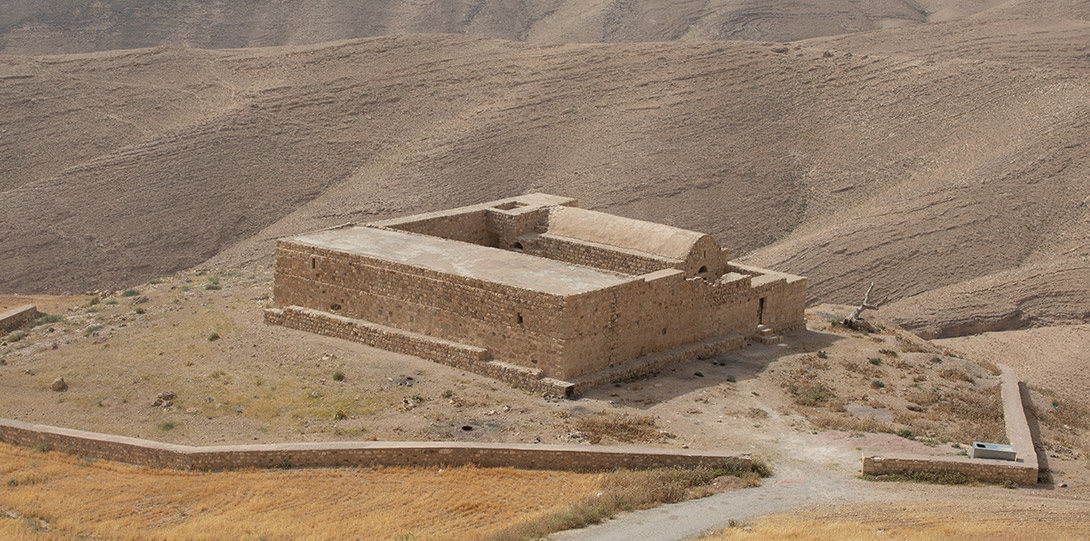
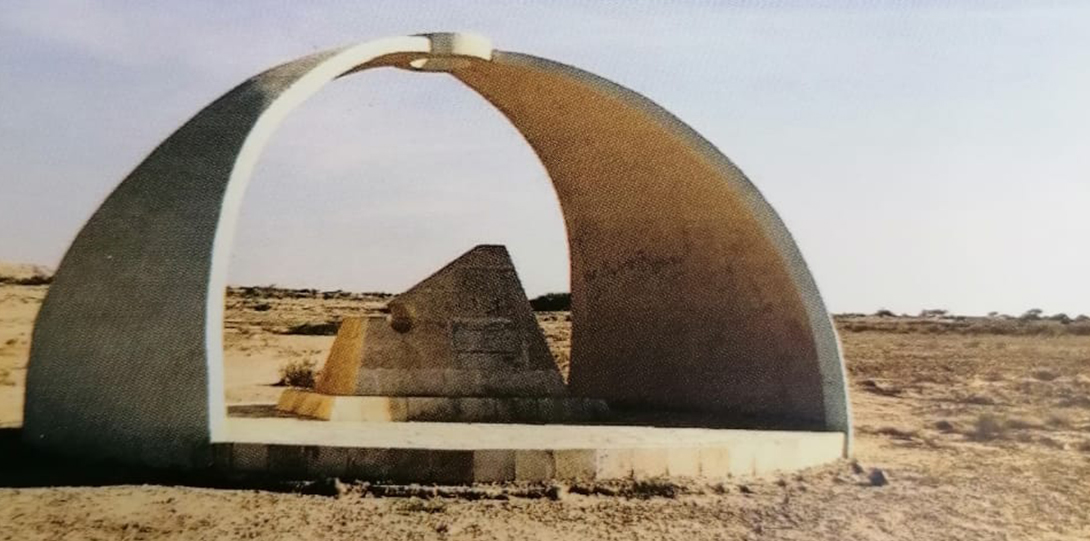
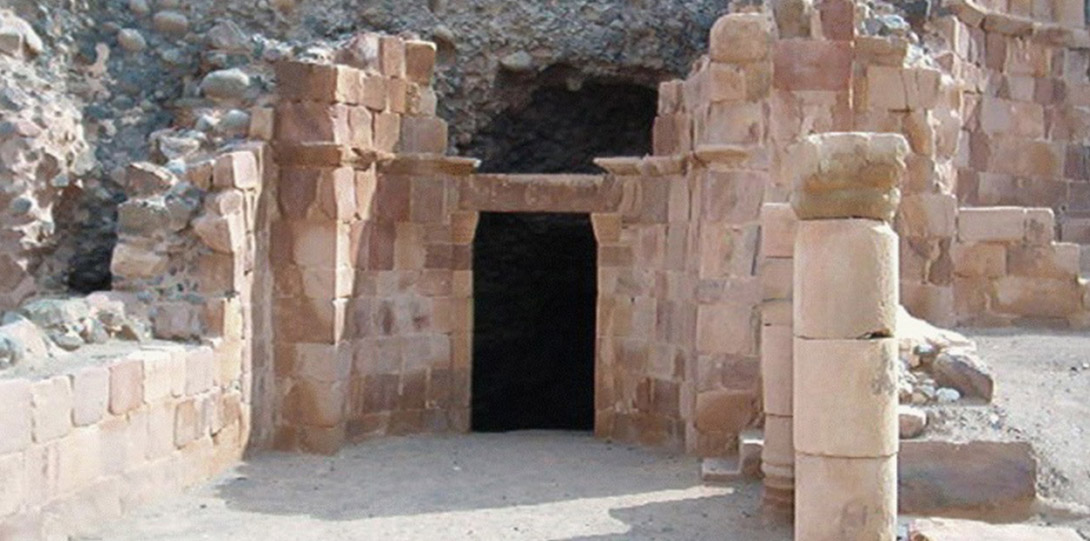
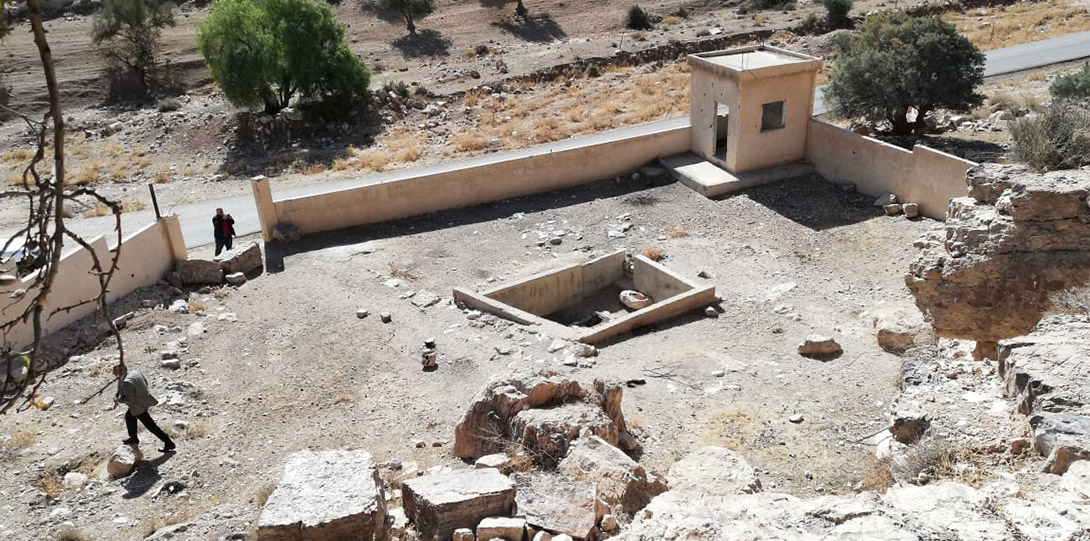
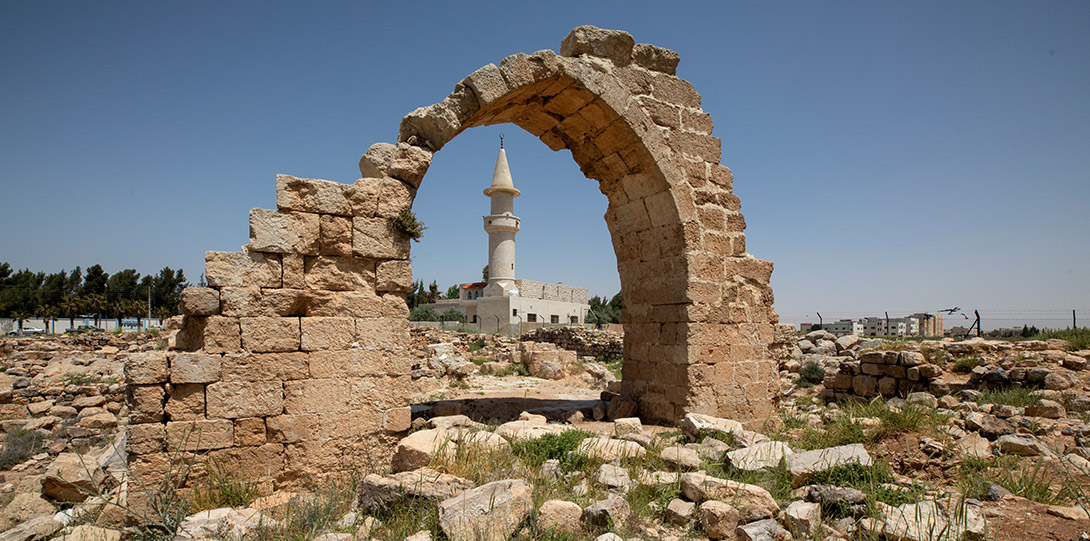
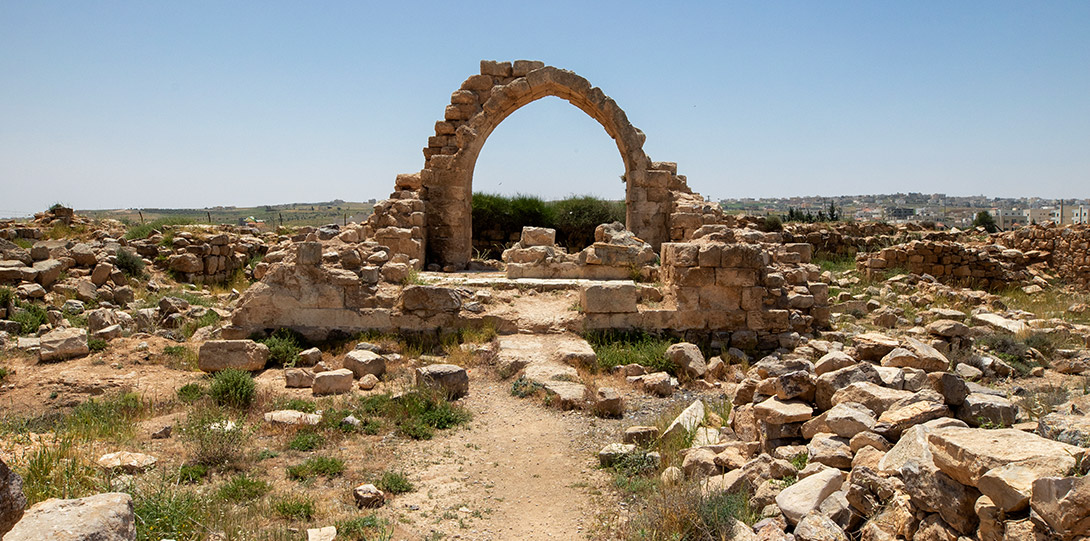
The Battle of Mutah took place in Mutah - Karak Governorate.
Visit Information
Working Hours
From (8:30) am to (7) pmLocation
Mutah - Karak