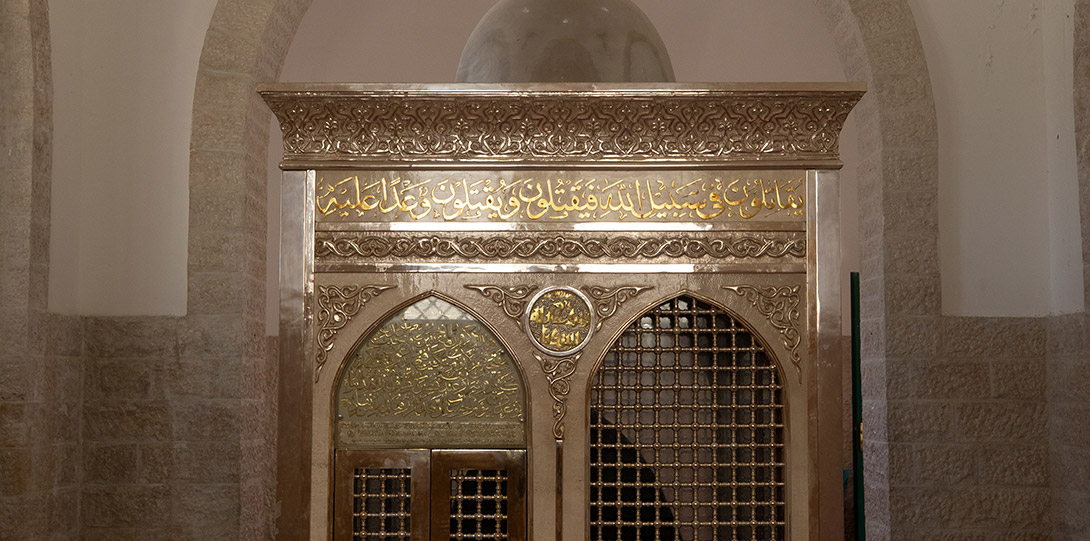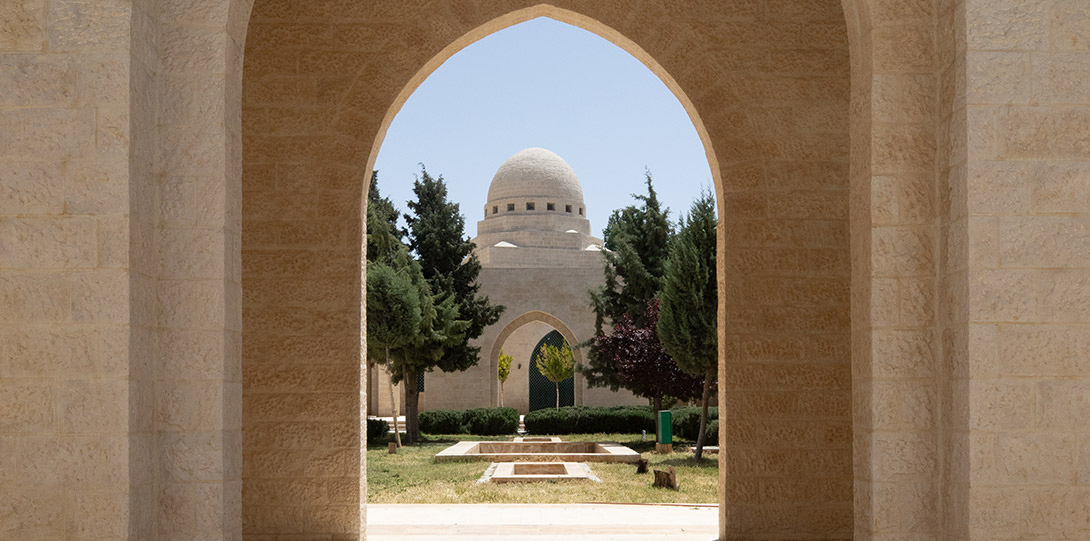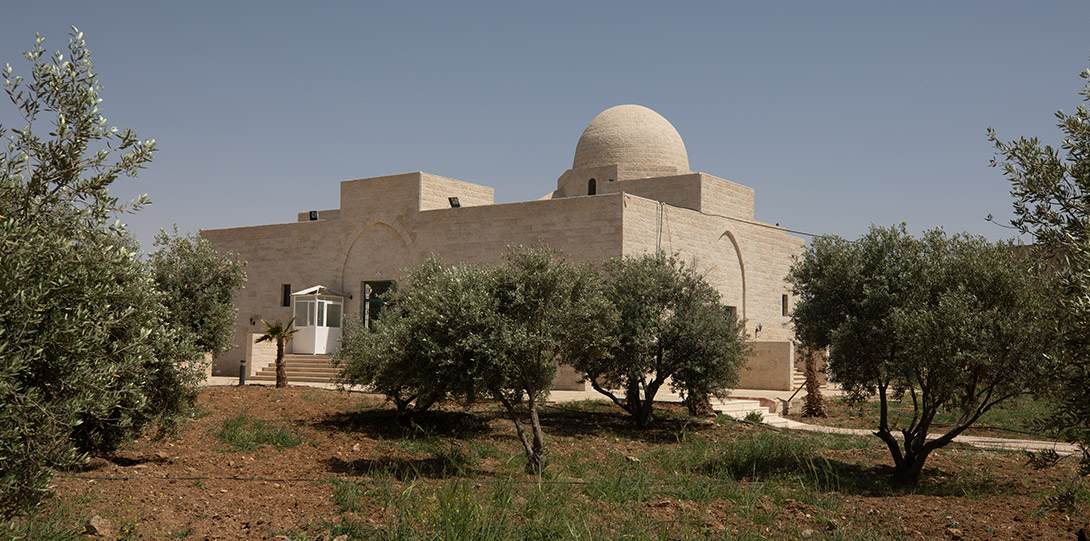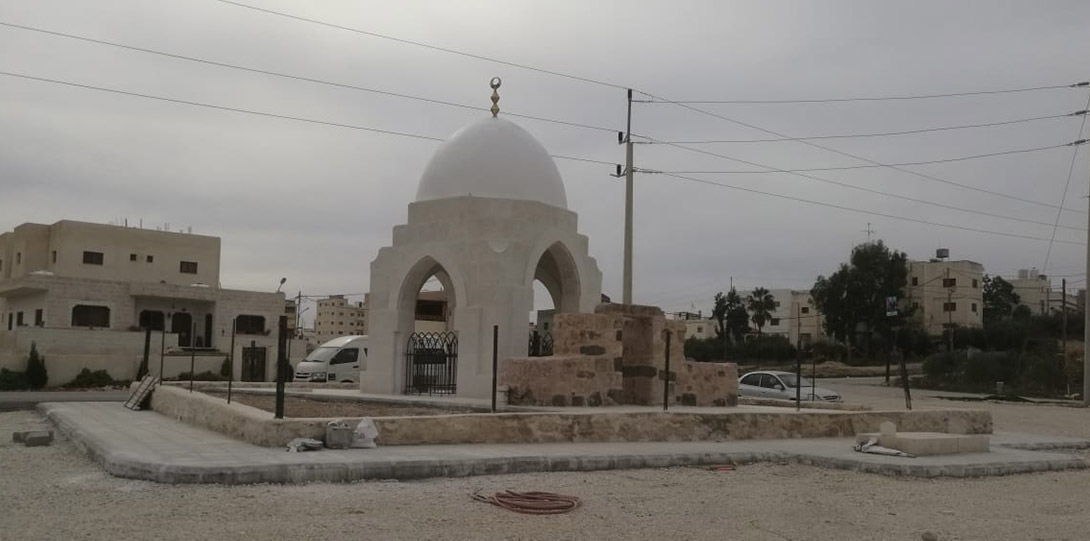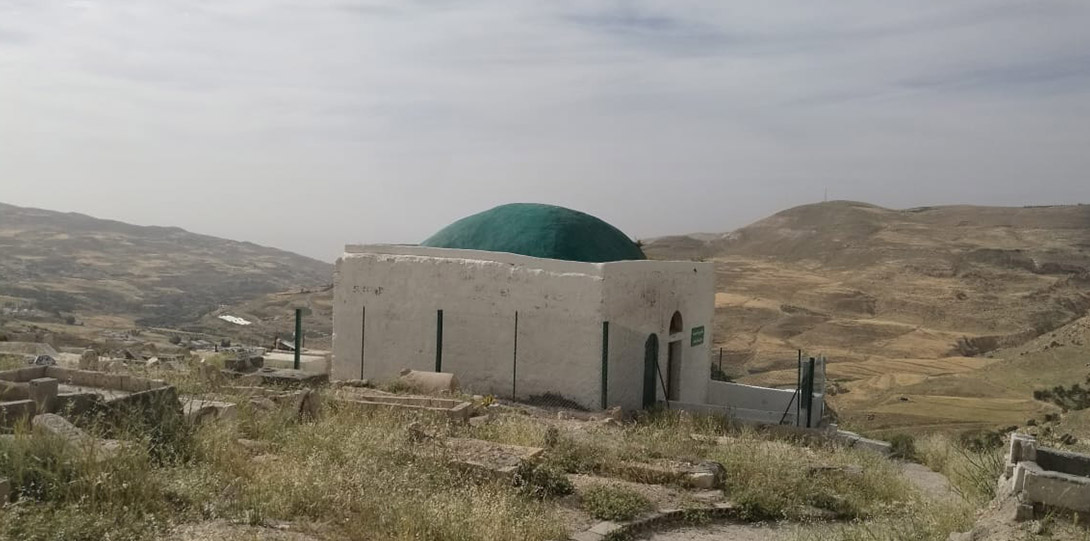
Cave of the Prophet of Allah, Sayidna (our master) Lut, peace be upon him
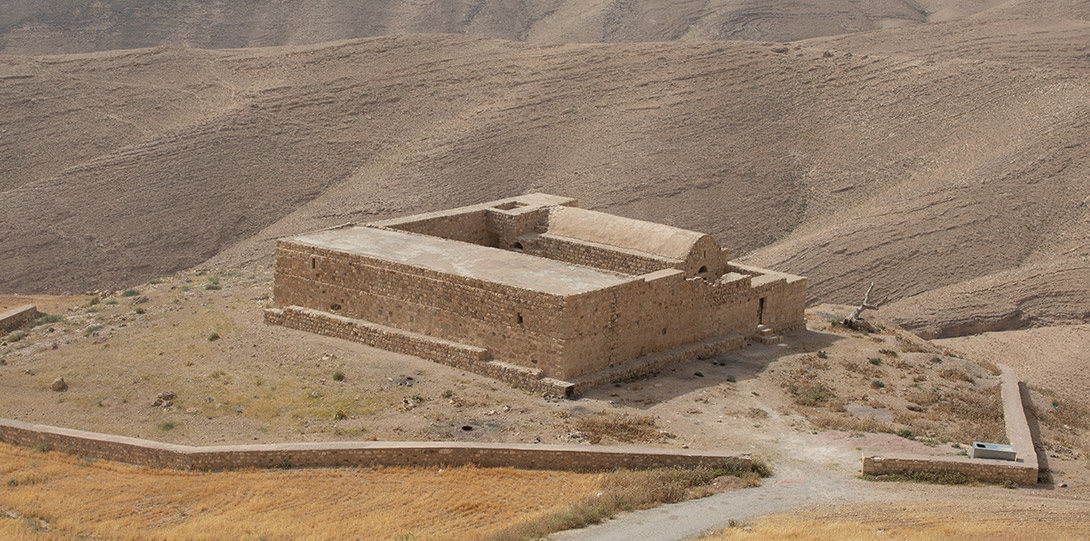
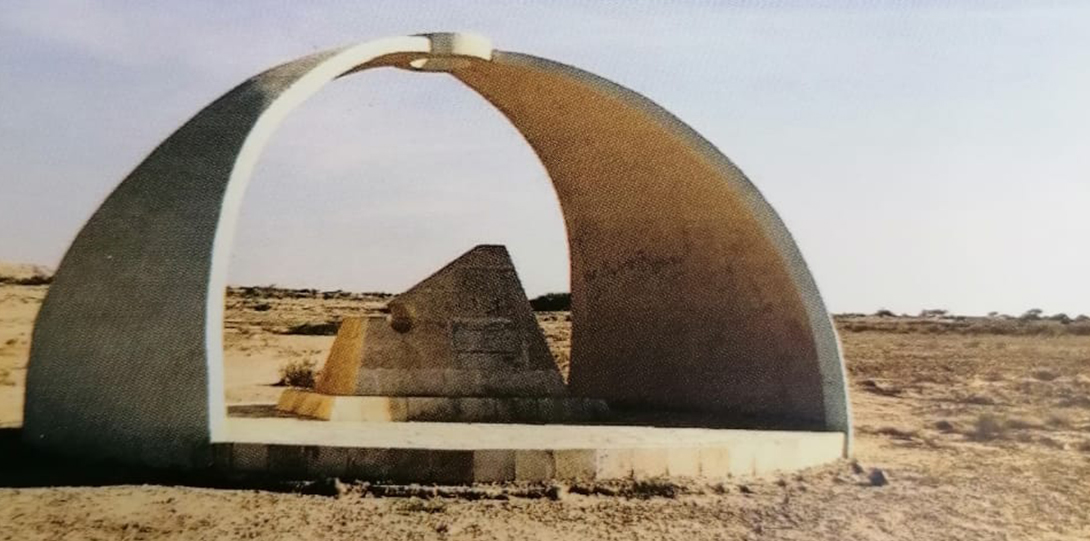
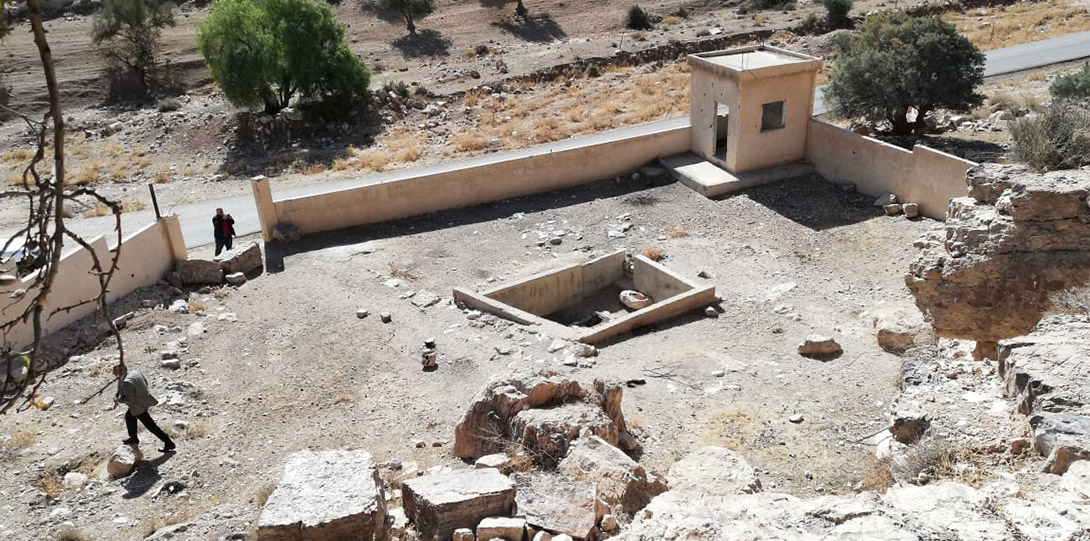
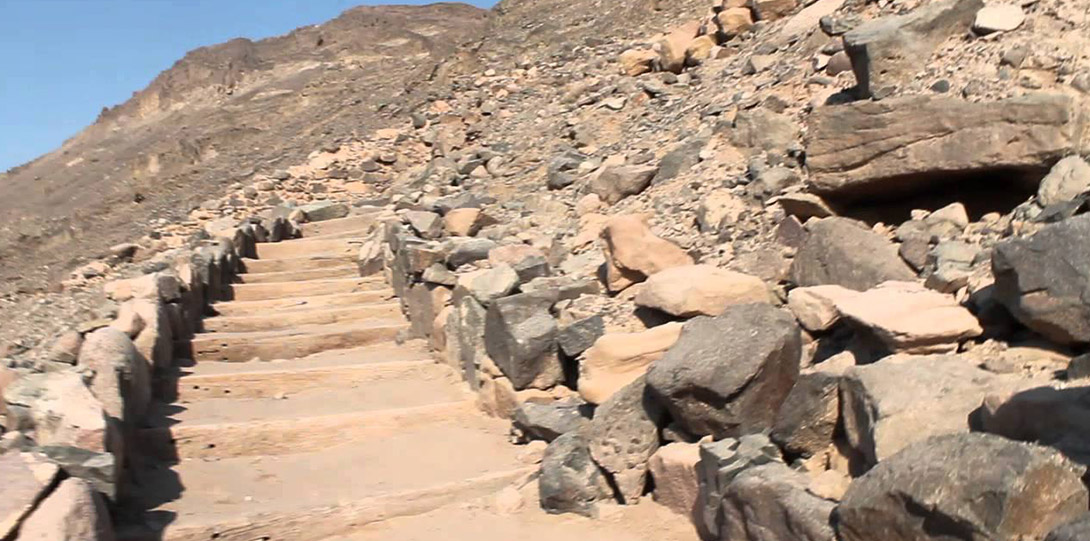
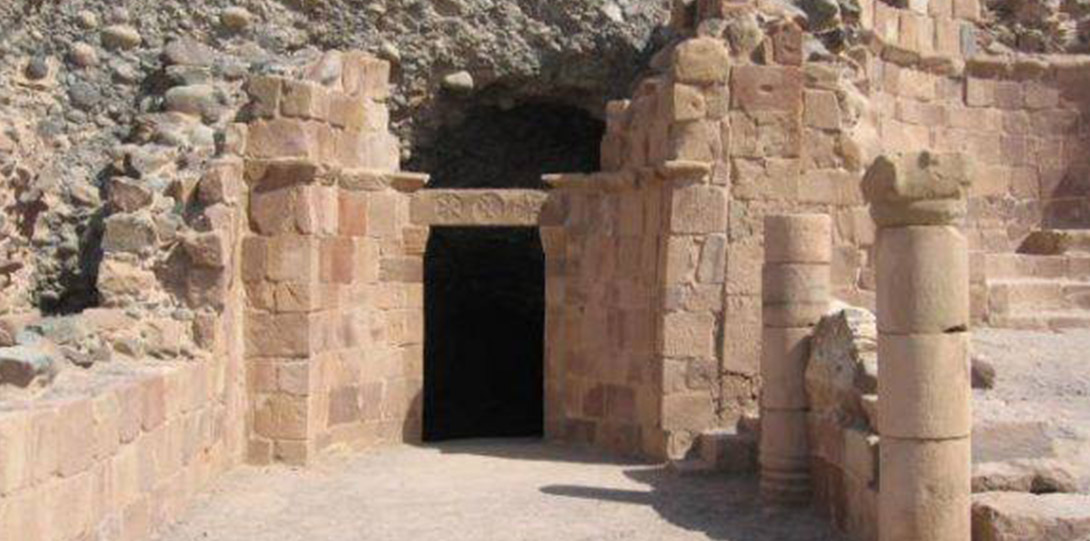
Prophet Lut, peace be upon him, is the son of Prophet Tarah (Azar), and he is the nephew of Prophet Ibrahim (Abraham), peace be upon him. Thus, Prophet Ibrahim, peace be upon him, is his uncle. Prophet Ibrahim, Haran, and Nahor were brothers. Prophet Lut, peace be upon him, is mentioned seventeen times in the Qur'an. Prophet Lut, peace be upon him, had migrated from the town of his uncle, the Prophet Ibrahim, peace be upon him, by his command and permission. He settled in the city of Sodom in the land of the Ghor Zoghar, which was a place with additional lands and villages attached to it, inhabited by some of the most immoral, disbelieving, and corrupt people. They were the worst in character and actions, cutting off roads, committing disgraceful acts in their gatherings, and not refraining from the wrongs they did. They invented an indecency that no one from the children of Adam had ever done before. Prophet Lut, peace be upon him, called them to worship Allah alone, forbidding them from engaging in these forbidden acts, vile behaviors, and shameful deeds. But they persisted in their misguidance, transgression, and continued in their immorality and disbelief. So, Allah sent down upon them a punishment they never anticipated, making them a lesson and an example for the worlds, to be reflected upon by those who have understanding. For this reason, Allah has mentioned their story in several places in His Clear Book. Allah, the Almighty, said in Surah Al Araf: (And Lut, when he said to his people, Do you commit such immorality as no one has preceded you with from among the worlds? Indeed, you approach men with desire, instead of women. Rather, you are people who behave ignorantly. But the answer of his people was not except that they said, 'Expel them from your city. Indeed, they are men who keep themselves pure.' So We saved him and his family, except for his wife; she was one of those who remained behind. And We rained upon them a rain [of stones]. Then see how the end of the criminals was.) It is said that Prophet Lut's wife stayed with her people. Some narrations mention that she left with her husband and two daughters, but when she heard the shout and saw the destruction of the town, she looked back towards her people, opposing the command of her Lord. She said, "Woe to my people!" and a stone fell upon her, killing her and causing her to be destroyed with the others, as she was among those who remained in their sinful ways and was their ally. As Allah said: (Allah presents an example for those who disbelieve: the wife of Nuh and the wife of Lut. They were under two of Our righteous servants, but they betrayed them, so they did not avail them against Allah in anything. And it was said, "Enter hell with those who enter.") This means that they betrayed their husbands in their faith, as they did not follow them in it. The intent is not that they committed immorality, far from it, for Allah does not decree that the wife of a prophet would commit such a sin. As bin Abbas and other scholars from both the earlier and later generations have said, "The wife of no prophet ever committed such an act of immorality." And whoever says otherwise has made a great mistake. In the mountains near the city of Karak in Jordan, there is an archaeological cave overlooking the town of Ghor al Safi in the southern Ghor of Jordan. It is believed, according to the remains, that this is the cave of Prophet Lut (peace be upon him), where he took refuge after leaving his town at night by the command of Allah, abandoning his people as the punishment of Allah was about to descend upon them. Researchers believe that the sons of Prophet Lut, Moab and Ammon, were born in this cave, which means that the cave holds historical significance for Jordan as it connects the Ammonites who ruled the northern part of the country with the Moabites who ruled the southern part.
About the Site
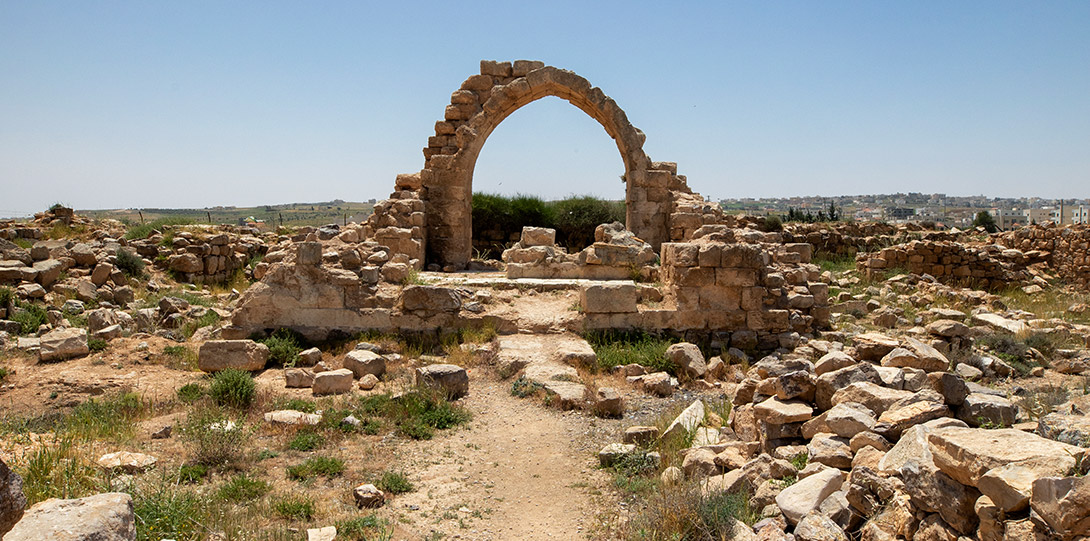
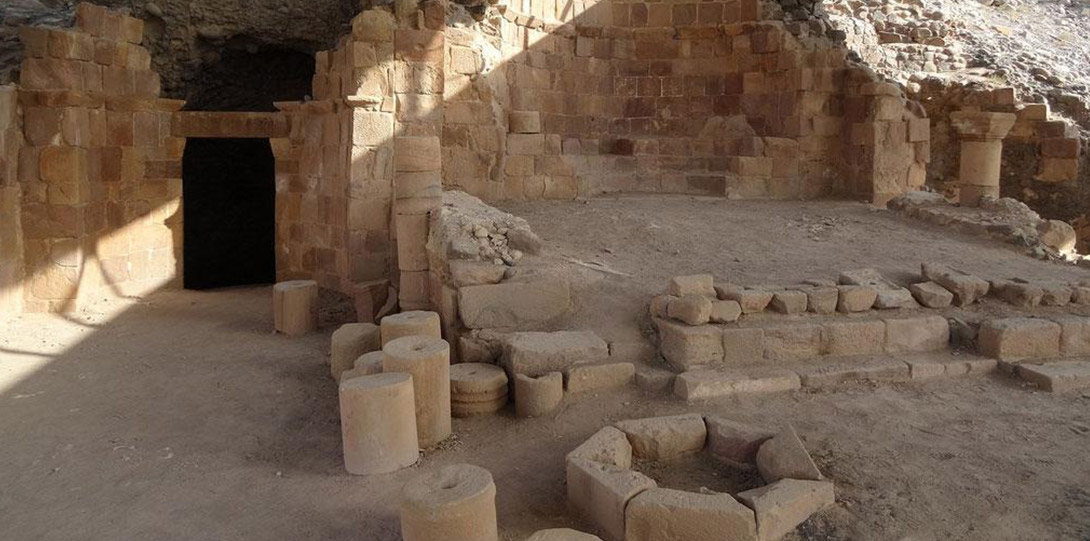
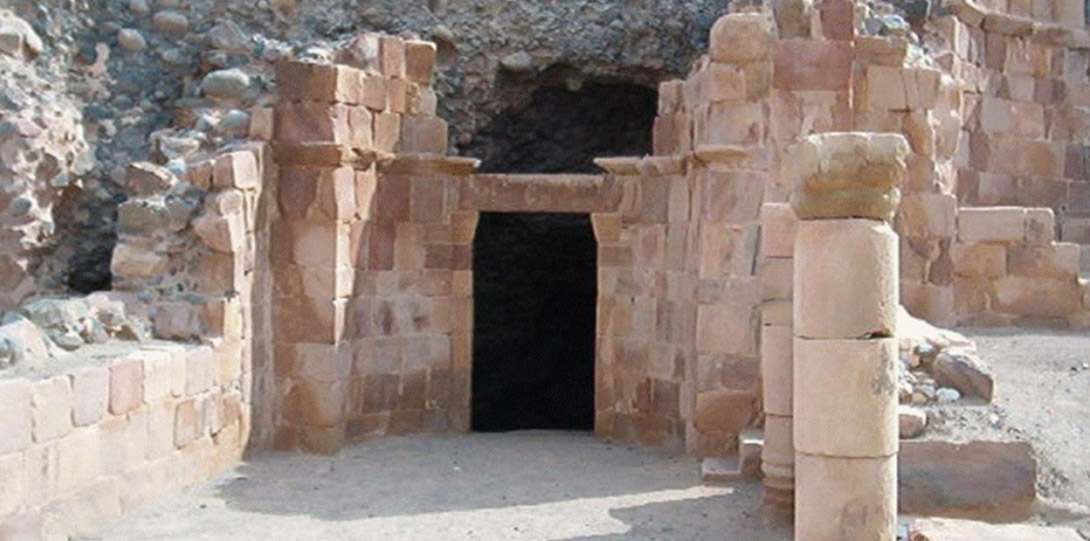
The cave now also contains a monastery and a church. Archaeological discoveries indicate that this cave was first used in the early Bronze Age, between the 5th and 7th centuries BC. Early Christians established a church in the cave, which served both as a church and a monastery. Its construction is believed to have been completed in the year 606 AD... Eventually, three stone inscriptions were discovered identifying the place as the Monastery of Prophet Lut (peace be upon him), a fact that was confirmed by the famous Madaba Mosaic Map, which depicts the site in the 6th century AD.
Visit Information
Working Hours
OpenLocation
Ghor Al Safi - Karak