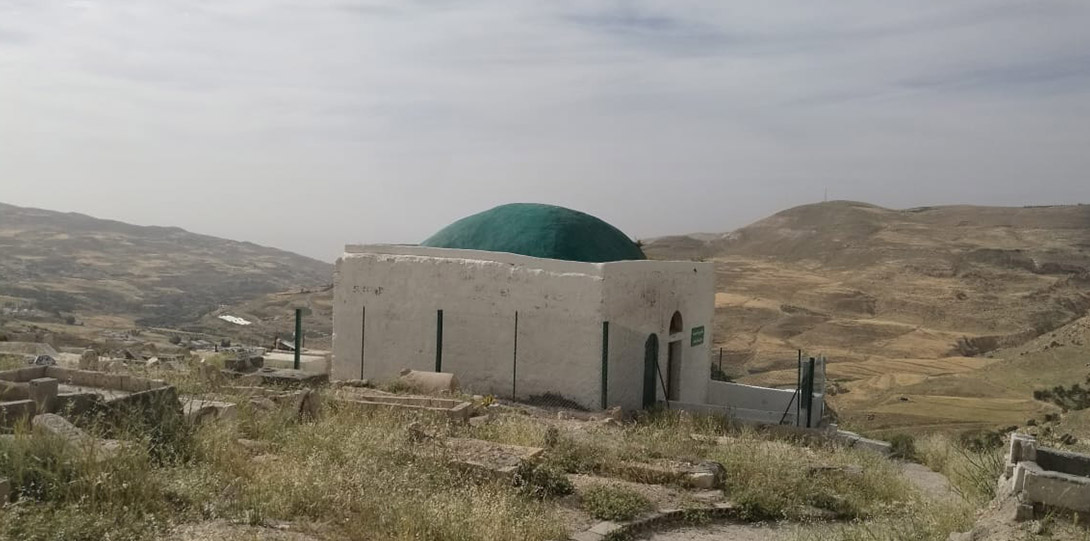
Maqam Zaid bin Ali Zain Al Abidin bin Al Hussein, may Allah be pleased with them
The honorable follower and martyr, Abu al Hussein Zaid bin Imam Ali Zain al Abidin, the son of Sayidna (our master) Imam Hussein, the grandson of the Messenger of Allah (peace be upon him), the son of our master Imam Ali bin Abi Talib, from the Hashemite Alawi family and the brother of Imam Abu Jafar Muhammad al Baqir. The famous Zaidi sect, which includes many members of the Ahl al-Bayt (peace be upon them), is attributed to him. Our master, Zaid bin Ali, was born in Medina after the dawn of the year 66 or 67 of the Hijra. His mother was a slave woman from Sindh. He was of perfect physique, tall in stature, with a beautiful appearance, fair in complexion, a handsome face, wide eyes, prominent eyebrows, a thick beard, a broad chest, wide shoulders, a broad forehead, a hooked nose, and black hair and beard, though grayness had mixed with his temples. Al-Wabshi used to say, "When I saw Zaid bin Ali, I saw the features of light on his face." He was raised in the care of his father, Imam Ali Zain al Abidin, and he was trained under the guidance of Imams al-Baqir and al-Sadiq (peace be upon them). From them, he acquired the subtleties of knowledge and the secrets of religious rulings. He silenced scholars and prominent debaters from various sects and religions. Imam Abu Hanifa (may Allah have mercy on him) said: "I witnessed Zaid bin Ali just as I witnessed his family, and I have never seen anyone in his time more knowledgeable, quicker in response, or clearer in speech than him." Imam Abu Hanifa acquired knowledge and methodology from Imam al Baqir, Imam al Sadiq, and Imam Zaid bin Ali bin al Hussein (peace be upon them). He studied under Imam Zaid for two years, and it was only the authority of Sultan bani Umayyah prevented him from openly declaring this. As for the works of Imam Zaid, they include: 1. The Jurisprudential Collection (Al-Majmu' al-Fiqhī) 2. The Hadith Collection (Al-Majmu' al-Hadīthī) 3. Interpretation of the Strange Words in the Qur'an (Tafseer Gharīb al-Qur'ān) 4. The Proof of the Testament (Ithbāt al-Wasīyah) 5. The Reading of His Grandfather, Ali bin Abi Talib (peace be upon him) 6. The Book "Praising the Few and Denouncing the Many" (Madḥ al-Qillāh wa Dhamm al-Kathīrah) 7. The Ritual of Hajj (Mansik al-Ḥajj) Imam Zaid faced the unjust policies implemented by the Umayyad rulers, particularly by Hisham bin Abd al Malik. The economic situation was deteriorating at that time, with the poor distribution of wealth that contradicted the principles and laws of Islam. In addition to the political oppression, killings, and terrorism practiced by the Umayyad tyrants, all of this led Imam Zaid to revolt against Hisham bin Abd al Malik. He chose Kufa as the starting point for his revolution and called on the Muslims to pledge allegiance to him. He was martyred in the path of Allah in Kufa in the year 121 AH. Caliph Hisham ordered the mutilation of his pure body. His martyrdom and the mutilation of his body were shocking events that deeply affected the conscience of the Islamic Ummah, igniting the spirit of revolution and hastening the downfall of the Umayyad rule. Peace be upon him the day he was martyred and the day he is resurrected alive. Blessed is he with Paradise, along with the martyrs, the prophets, the righteous, and the family of our noble Messenger (peace be upon him and his family).
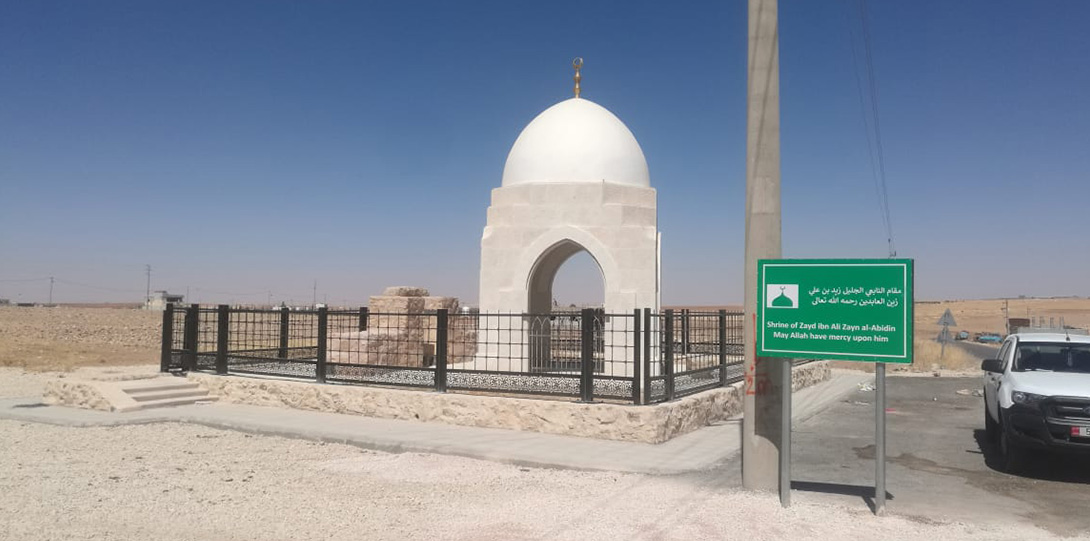
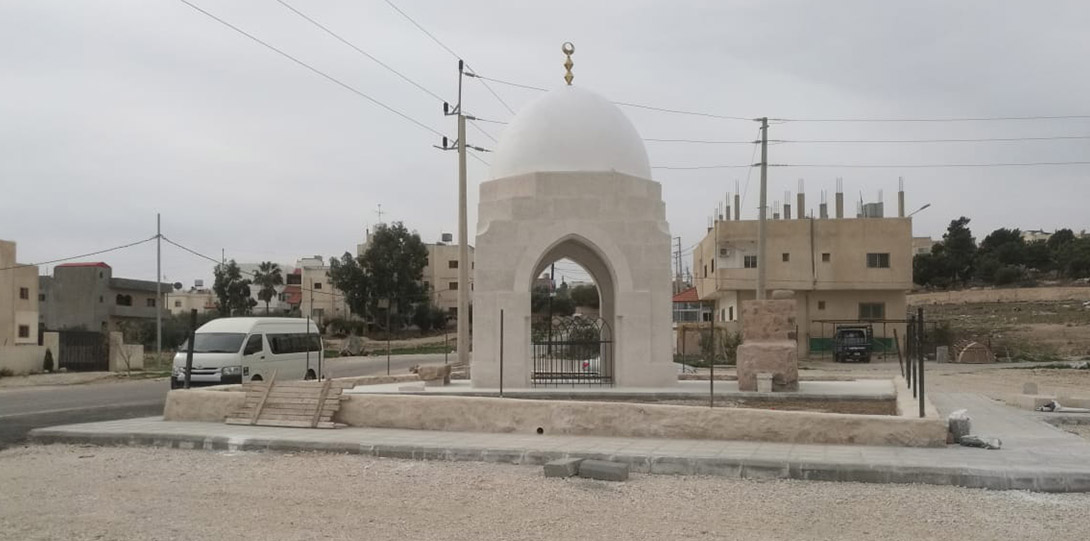
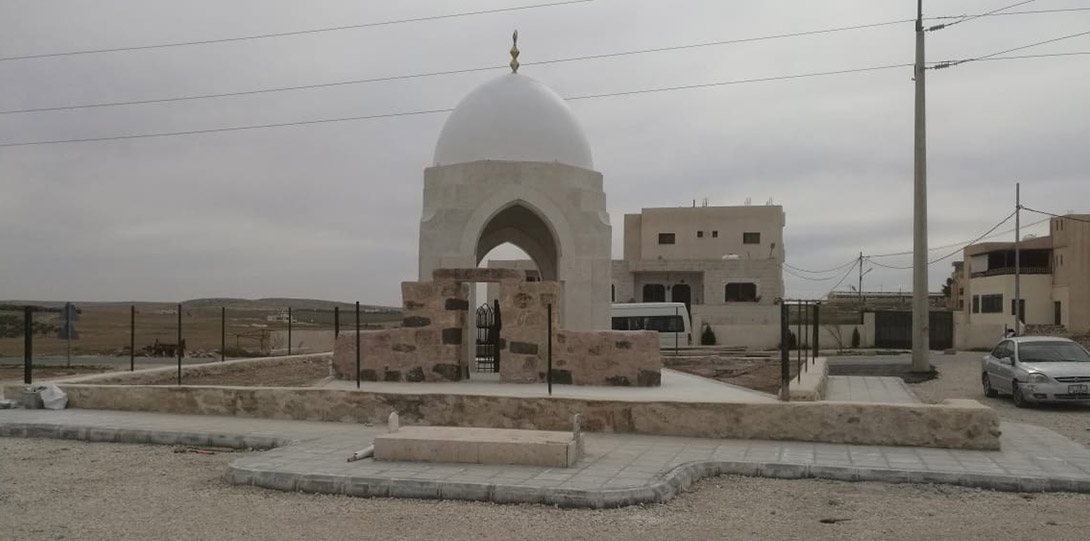
About the Site
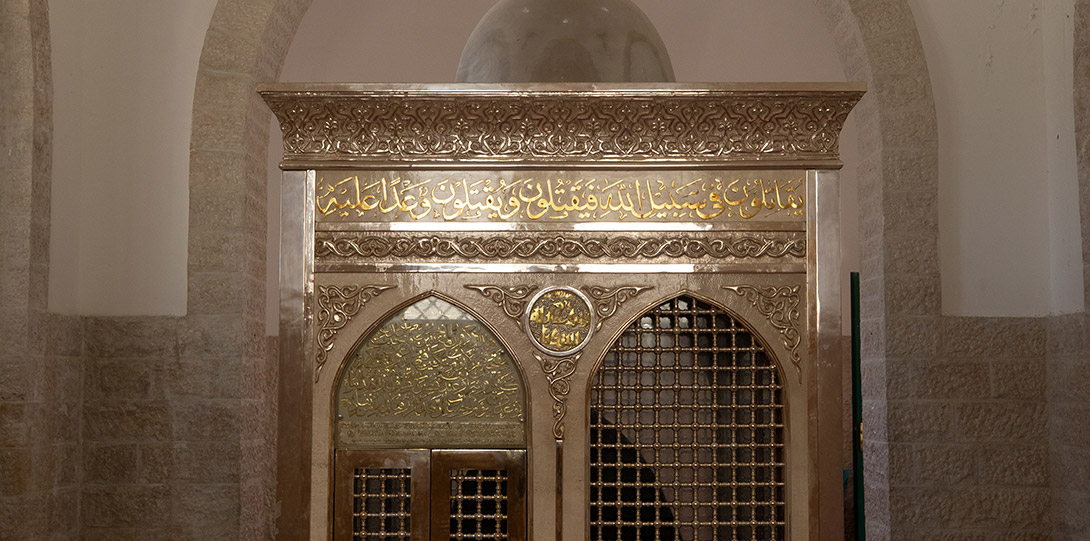
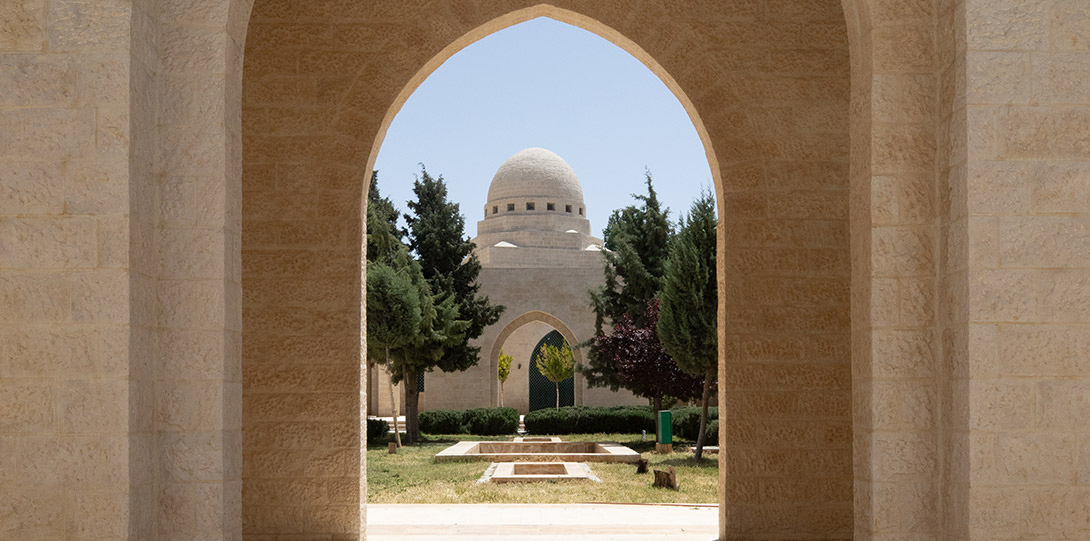
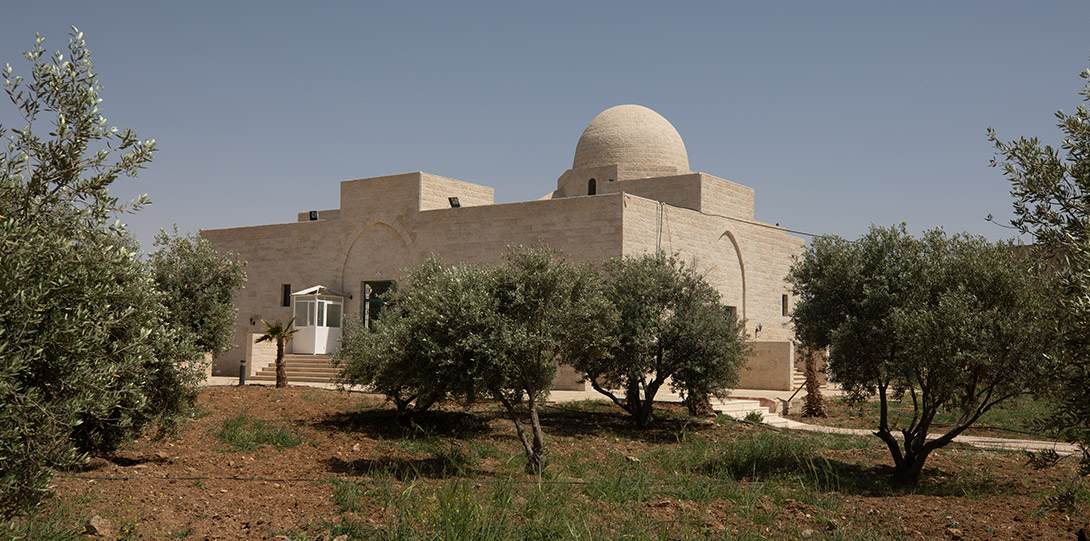
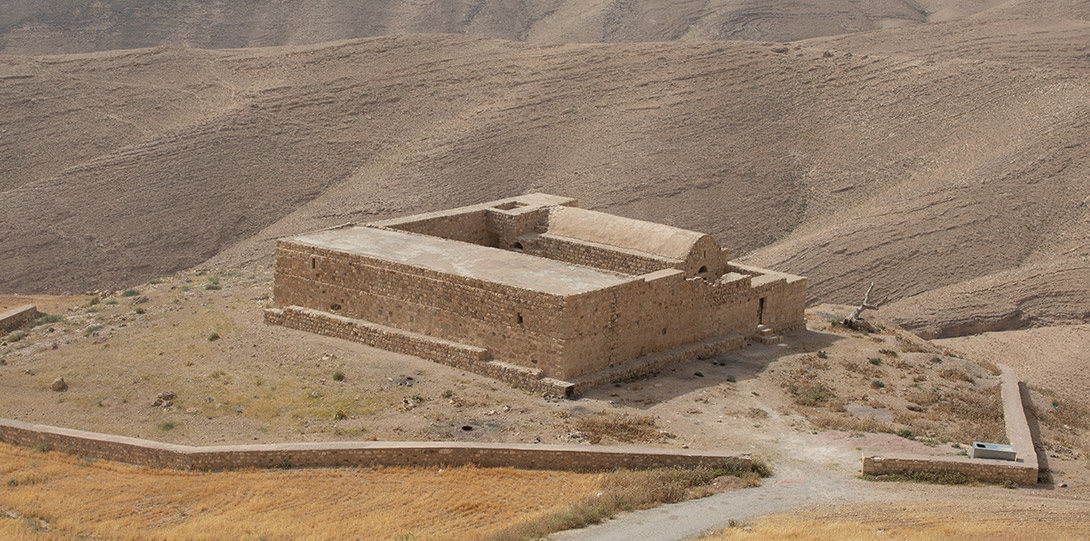
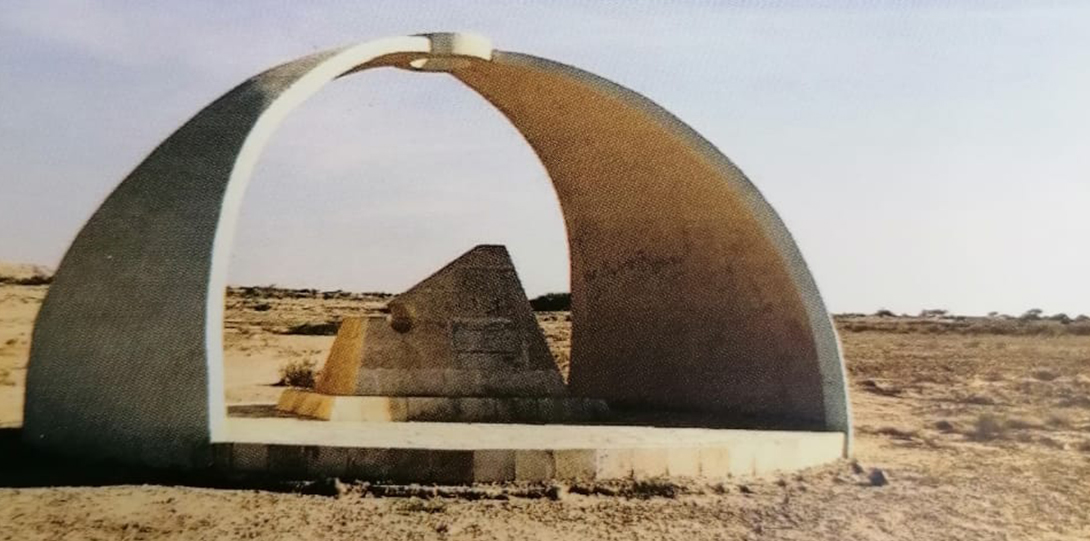
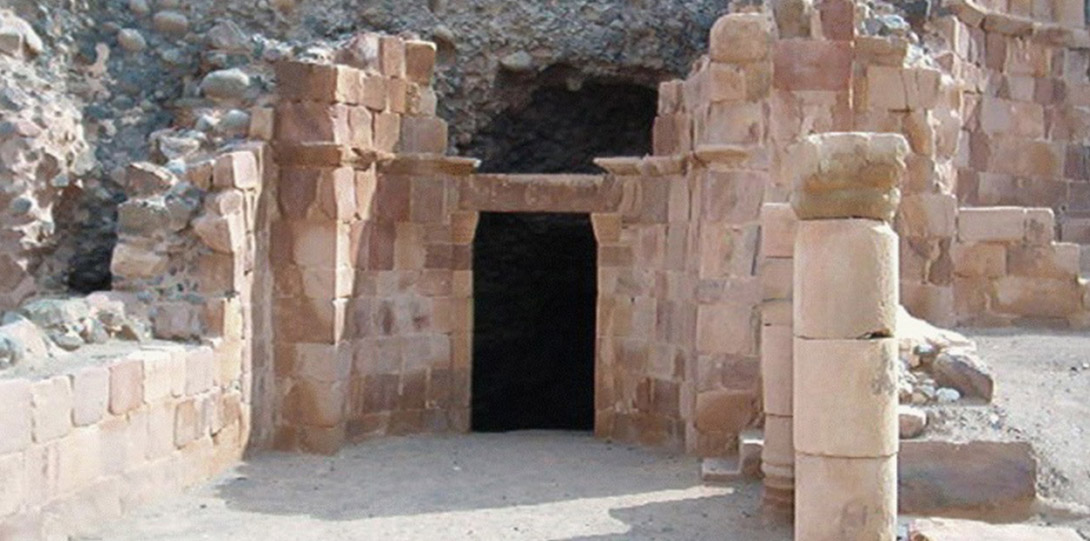
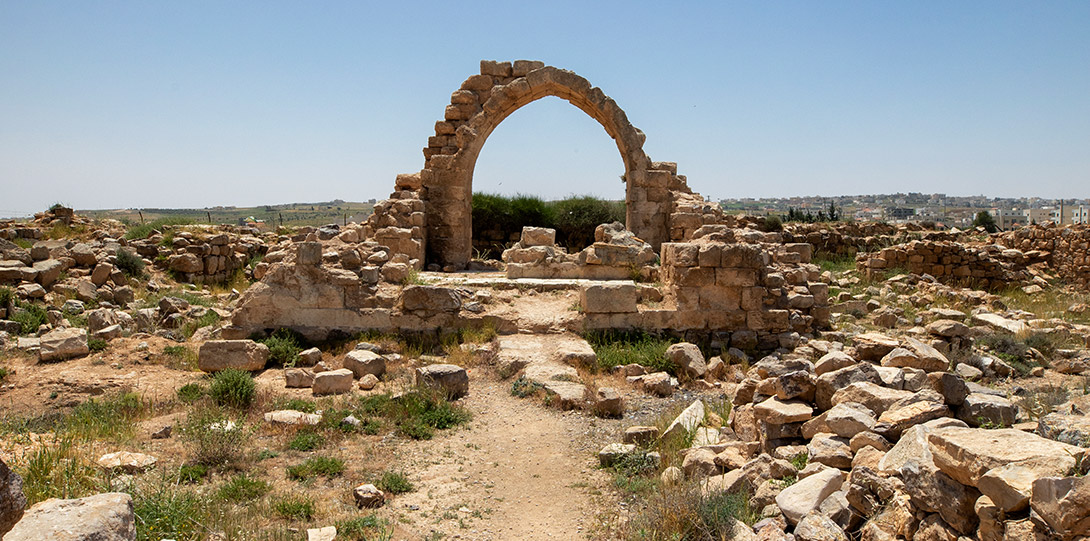
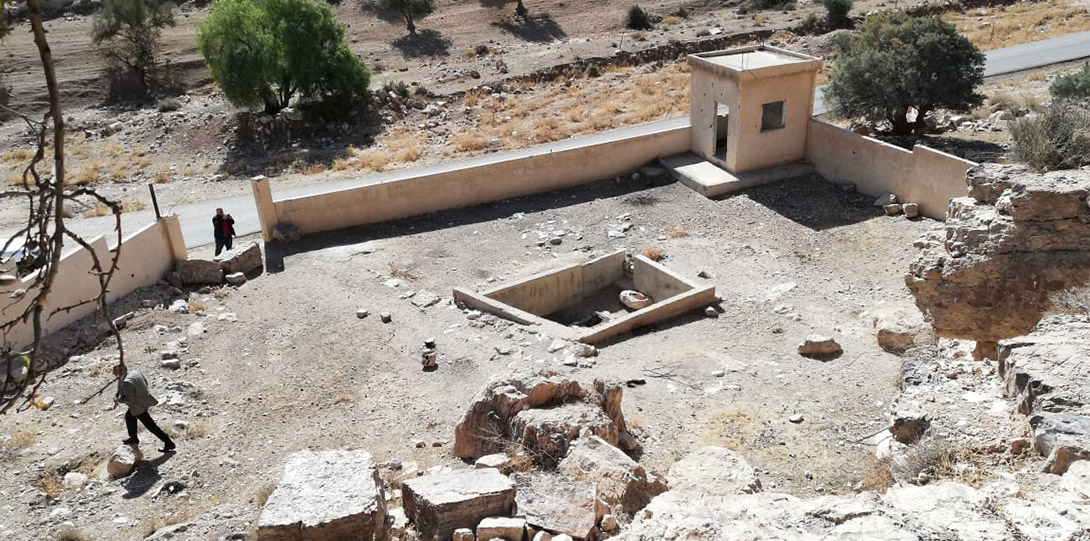
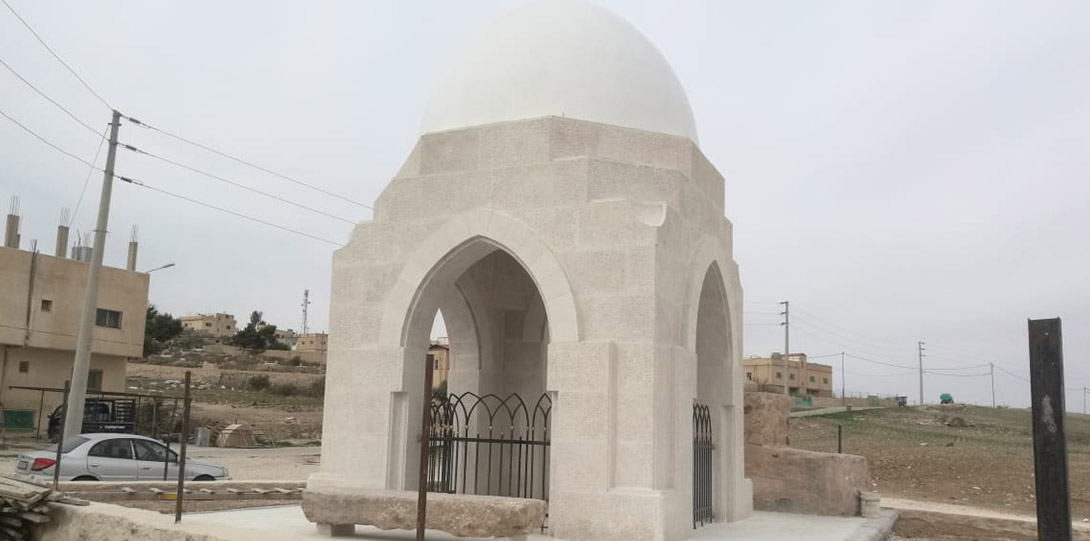
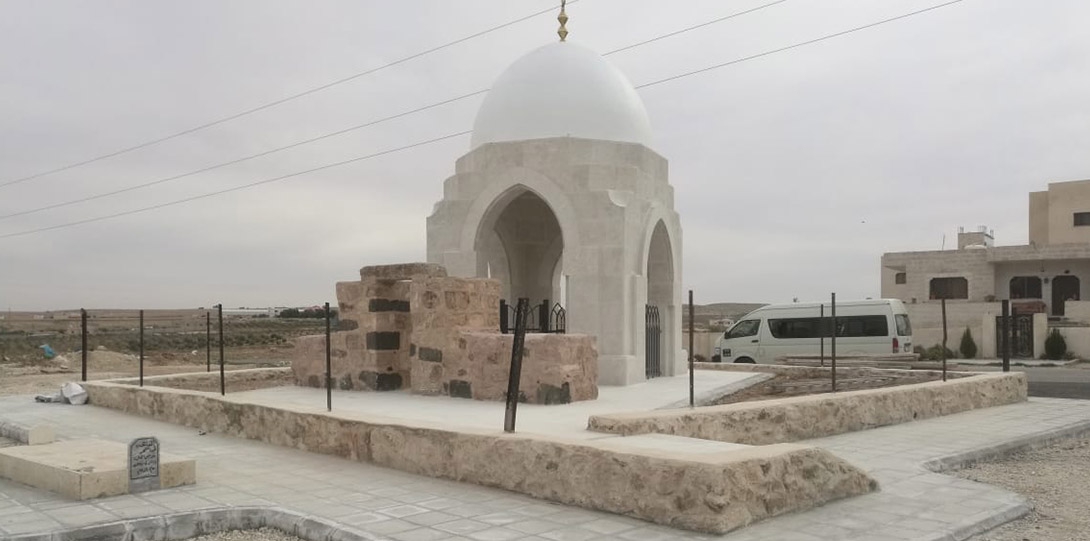
The Maqam is located in the Karak Governorate, east of the city of Al Rabba. It consists of a well-constructed building with stone chains on both the interior and exterior, in addition to barbed wire to highlight and preserve the shrine.
Visit Information
Working Hours
OpenLocation
Al Rabba – Al Karak