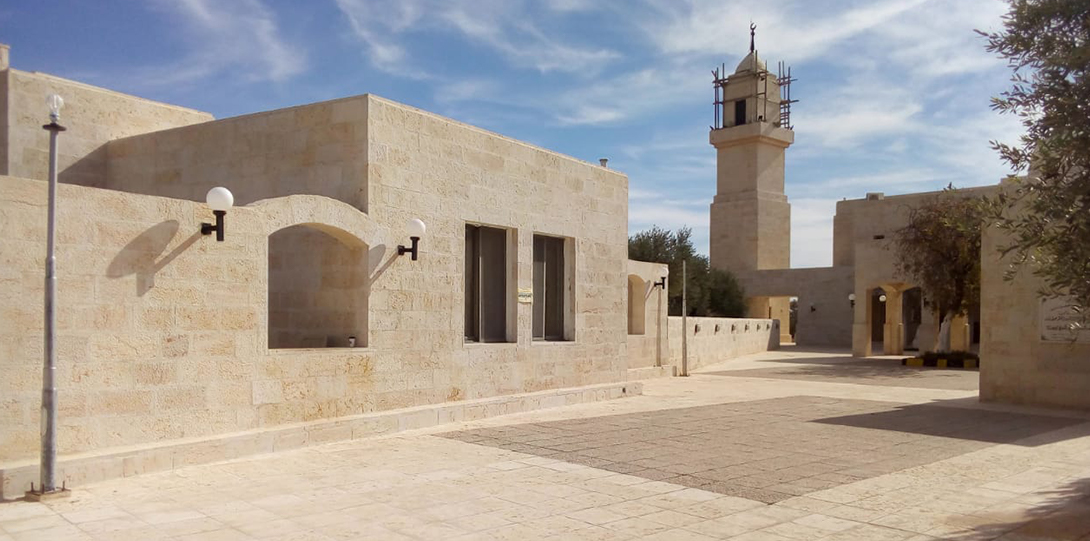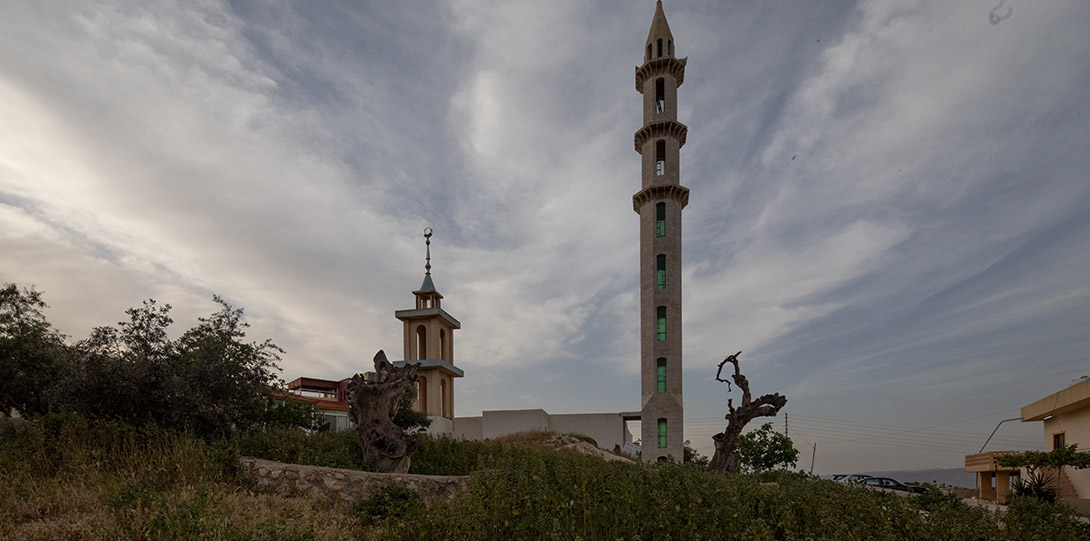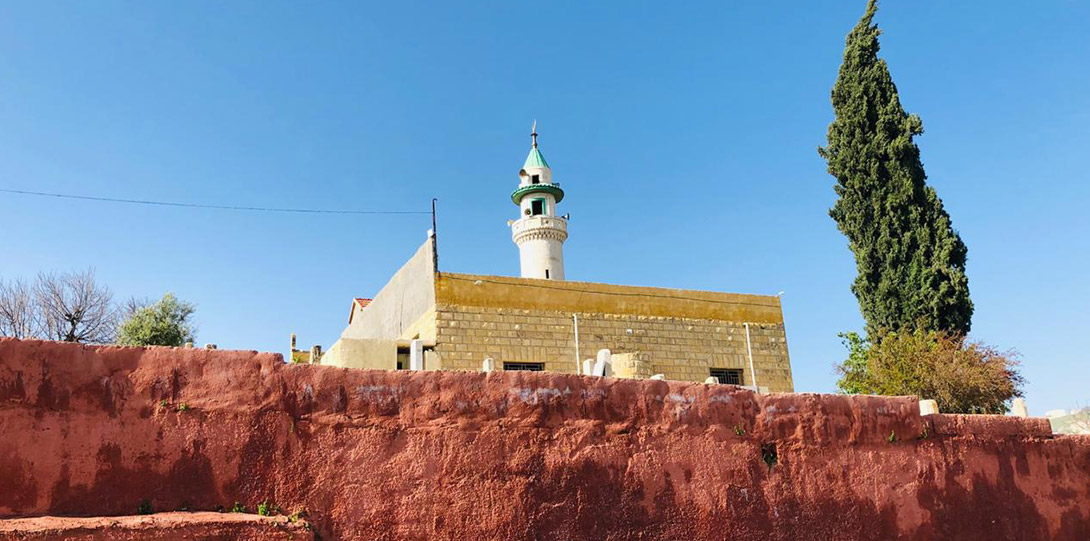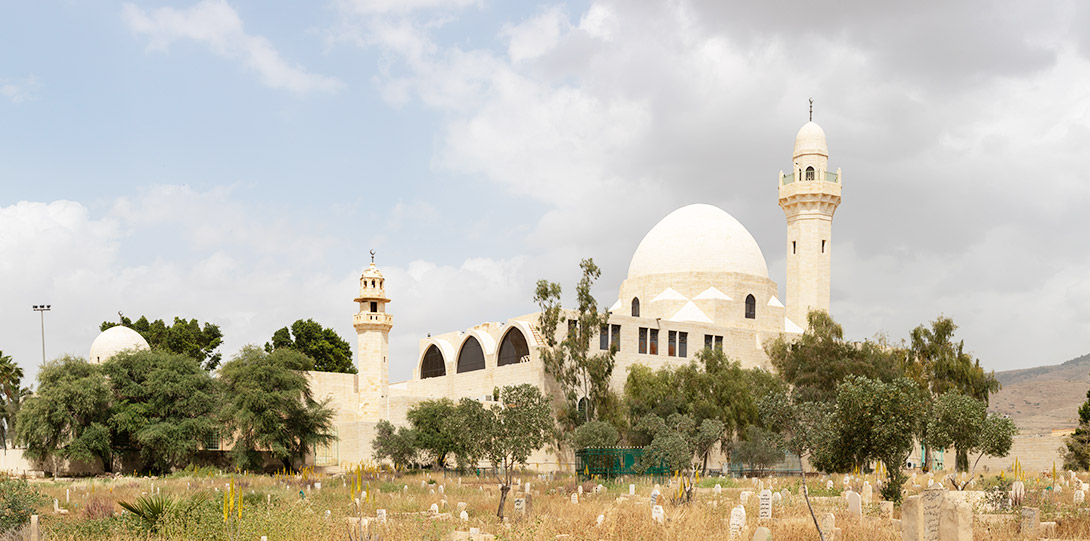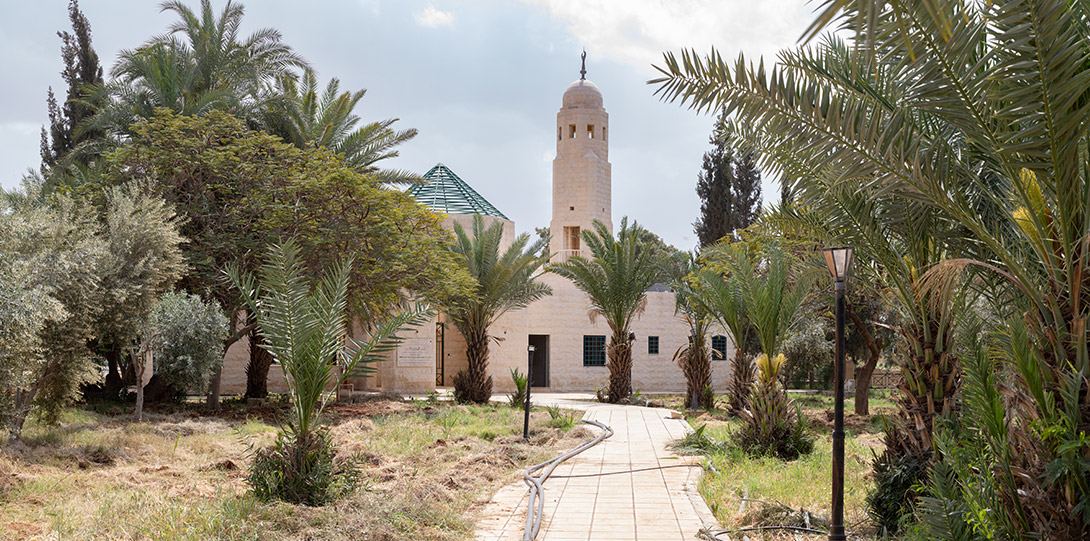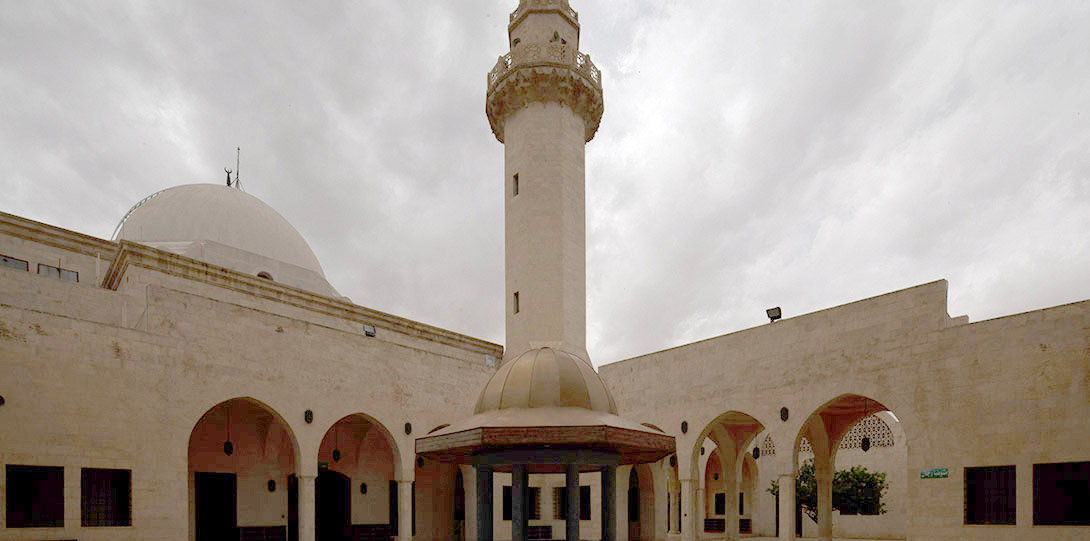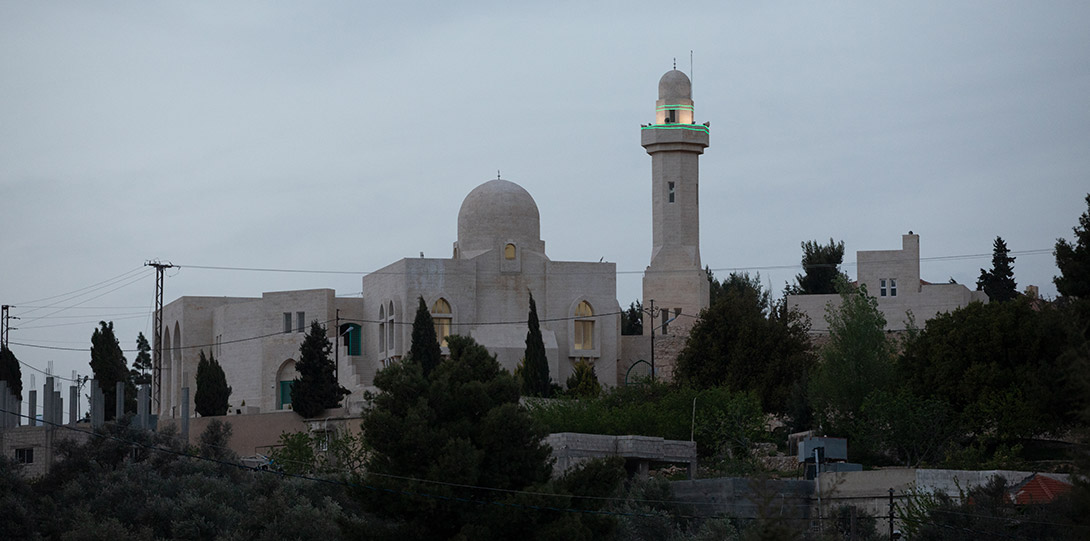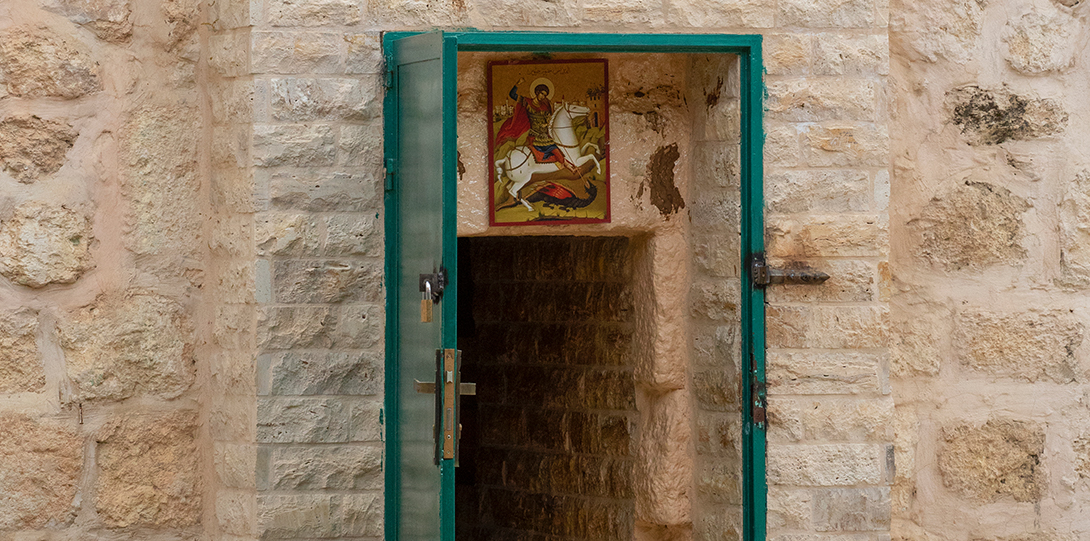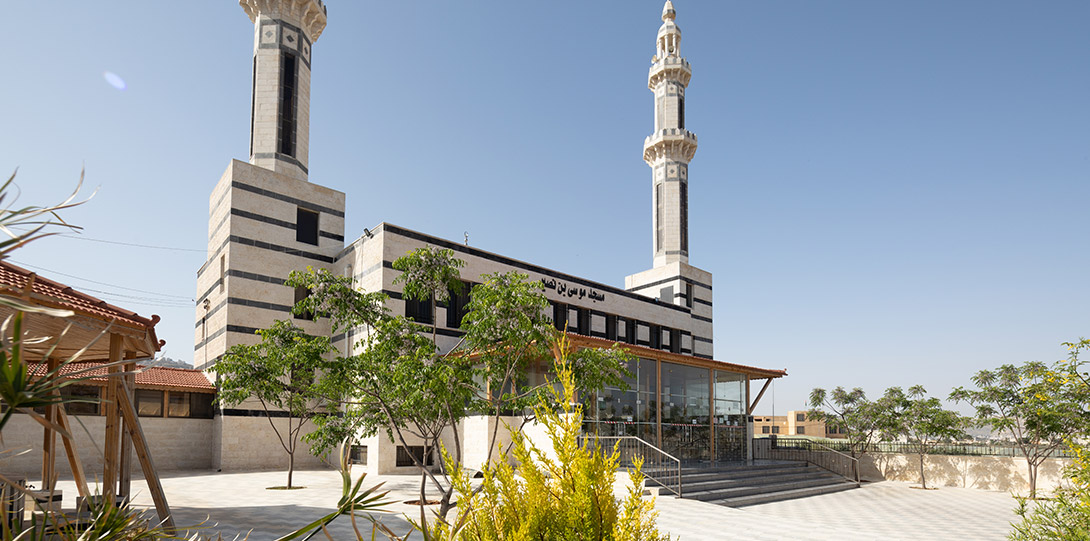
The location of the baptism site of Prophet Issa (Jesus) (peace be upon him).
Prophet Issa (Jesus) (peace be upon him), son of Mary, is a Messenger of God and one of the five major Prophets (Ulul Azm). He was a miracle of God, as he was created without a father. He was sent by God to the Children of Israel to guide them to the new holy book, the Bible, which was revealed to him. As mentioned in the Quran, "And when Issa came with clear proofs, he said, 'I have come to you with wisdom and to clarify for you some of the matters in which you differ. So fear Allah and obey me.'" (Surah Al-Zukhruf:63). Prophet Issa (peace be upon him) is mentioned 25 times in the Quran. Allah Almighty states in the Quran that Issa (peace be upon him) was born to Maryam (Mary), the daughter of Imran, after she conceived him through a divine miracle. She was a virgin, and his conception occurred without any human intervention, by the command and word of Allah. Allah Almighty granted him miracles, such as healing the blind and the leper, bringing the dead back to life, creating birds from clay and breathing into them so that they became live birds by the permission of Allah, and other miracles. The Quran states that Allah raised Prophet Issa (peace be upon him) to the heavens, body and soul, as a mercy and honor to him when he was thirty-three years old. The Jews did not kill him nor crucify him, but it was made to appear as though they had. He remains in the heavens to this day. Allah says: "When Allah said, 'O Issa, indeed I will take you and raise you to Myself and purify you from those who disbelieved and make those who follow you [in submission to Allah alone] superior to those who disbelieved until the Day of Resurrection.'" (Al-Imran: 55). Moreover, Issa (peace be upon him) was a Muslim like all the other prophets in Islam, meaning he submitted to the will of Allah. He advised his followers to choose the straight path: "When Issa sensed disbelief from them, he said, 'Who are my supporters for [the cause of] Allah?' The disciples said, 'We are supporters of Allah. We have believed in Allah and testify that we are Muslims."
About the Site
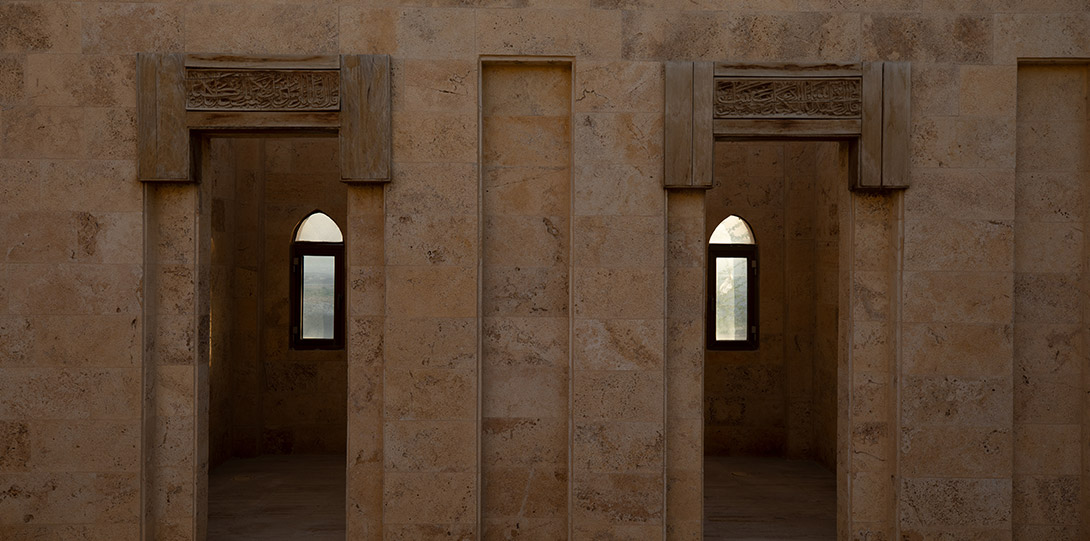
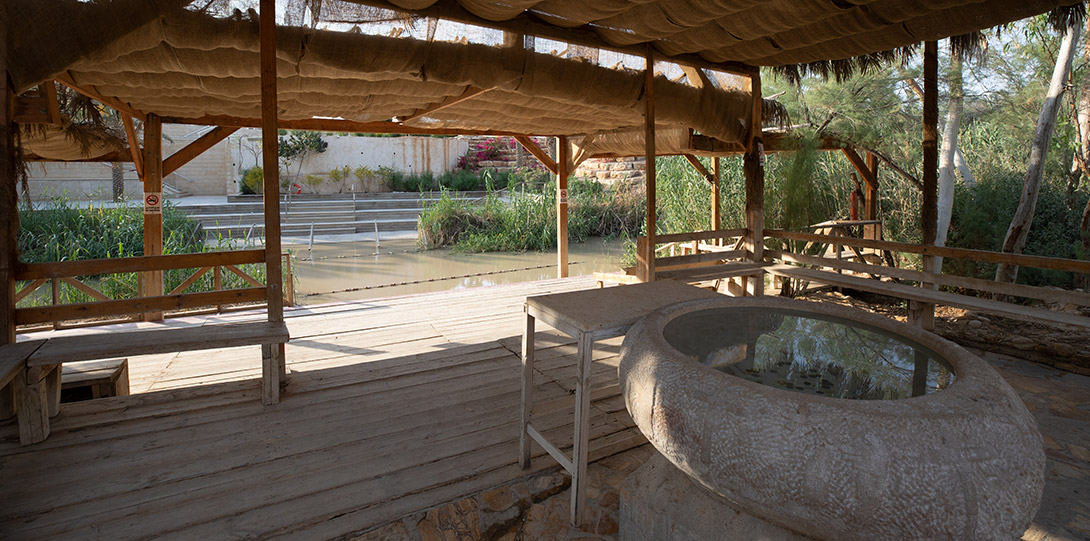
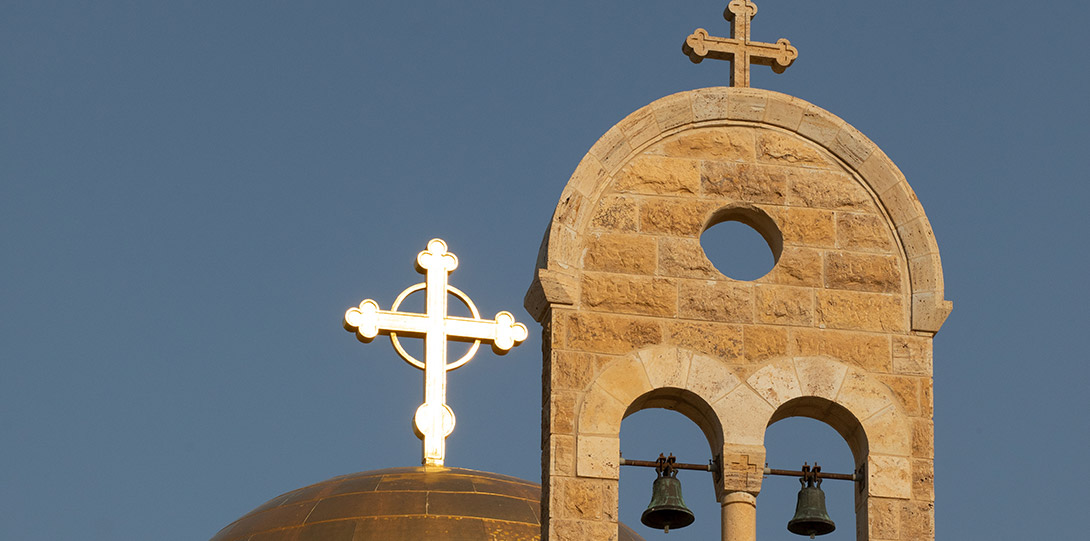
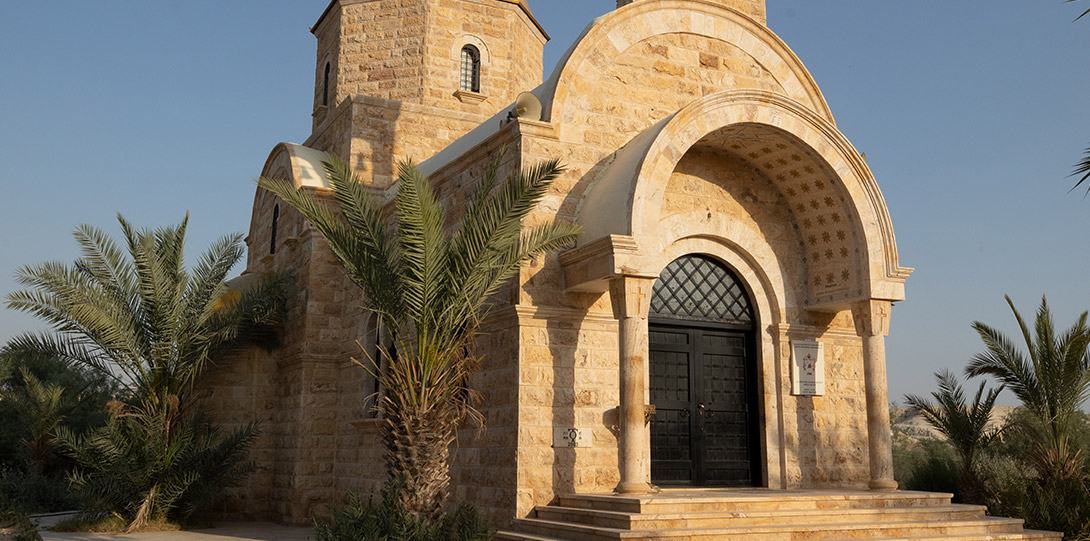
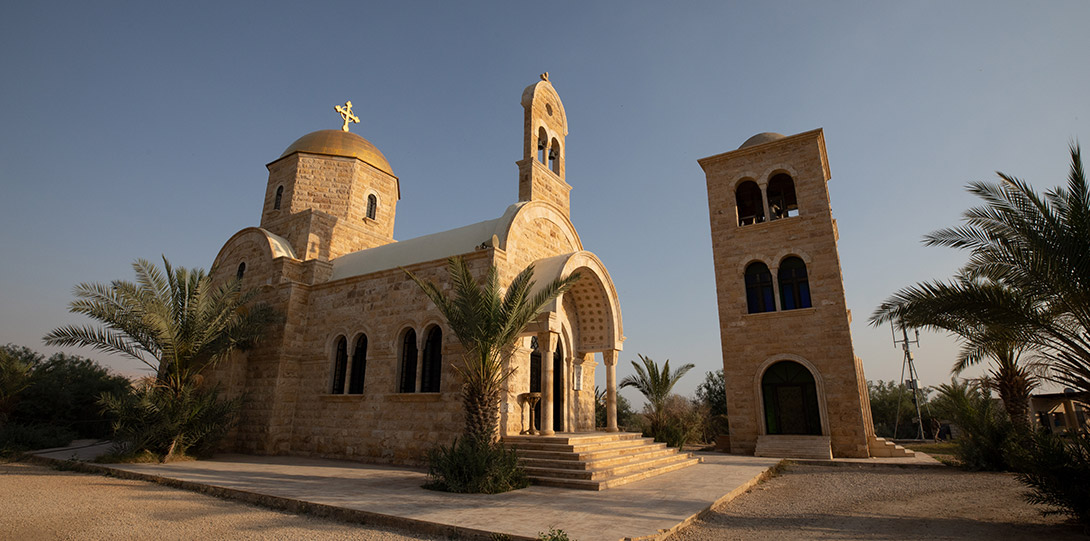
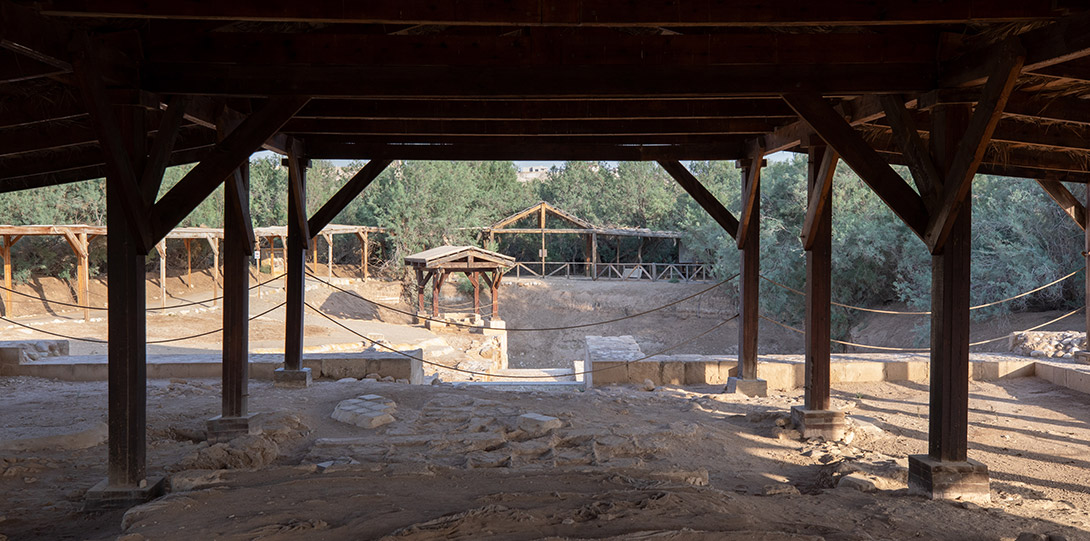
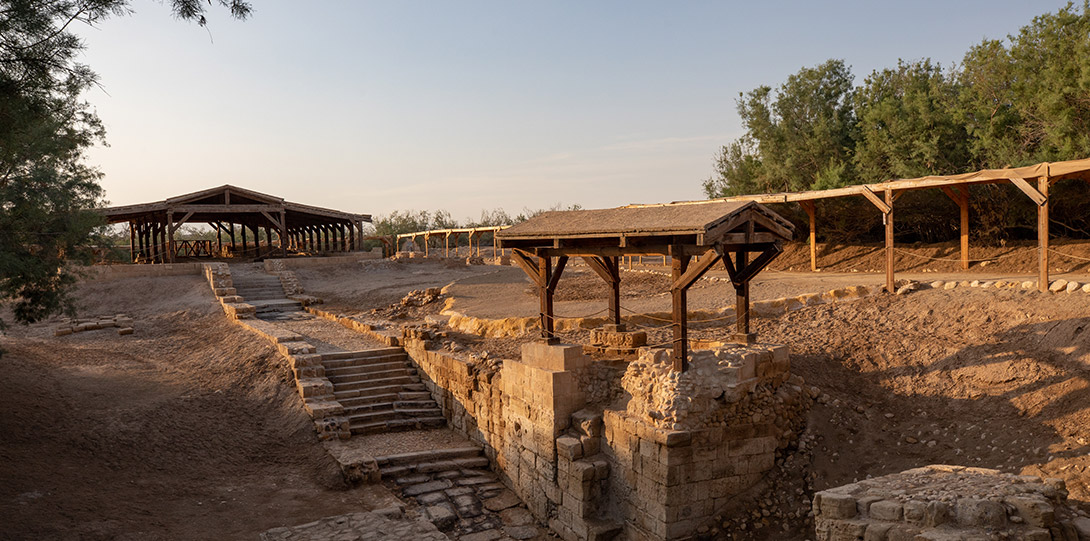
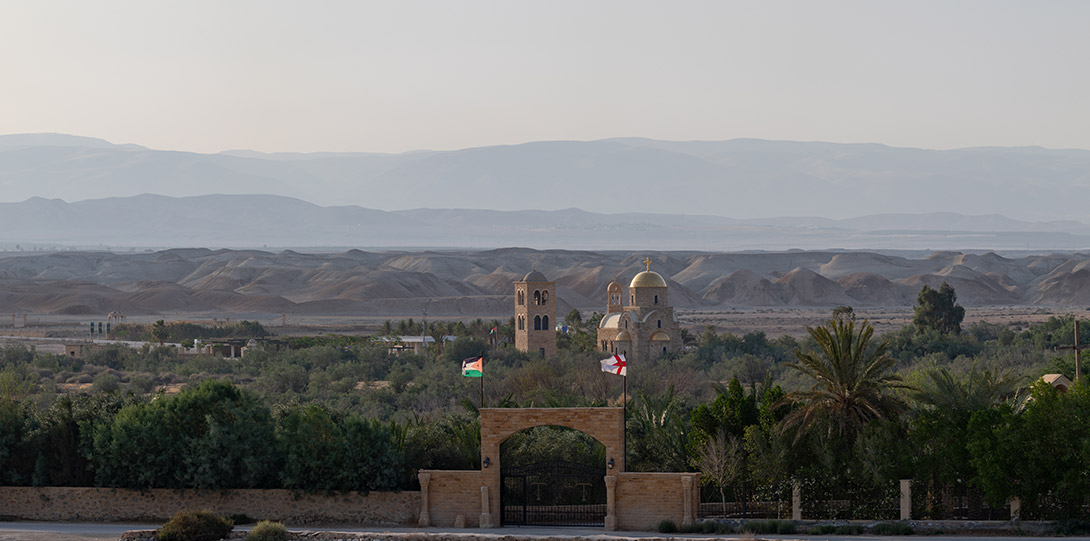
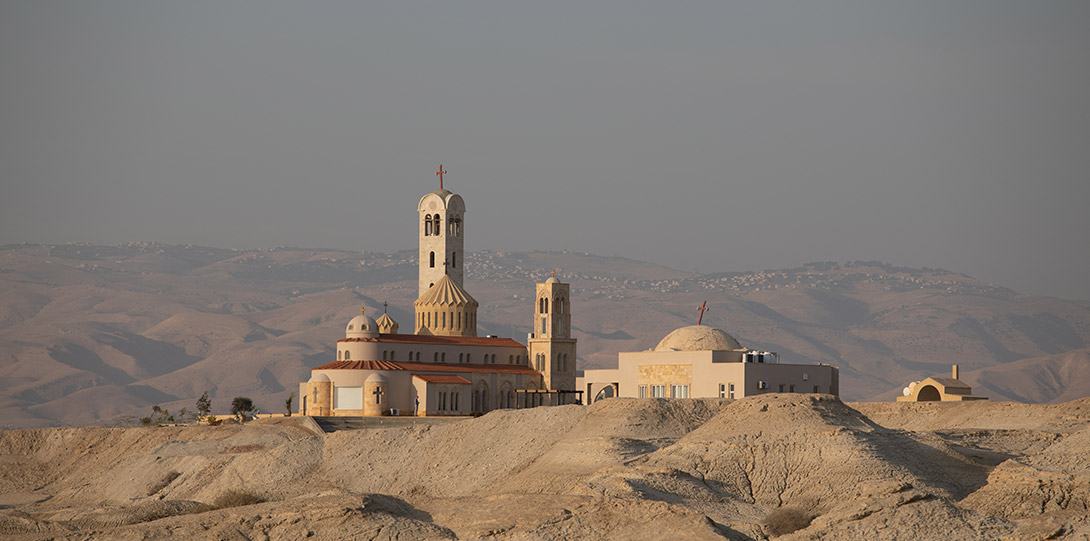
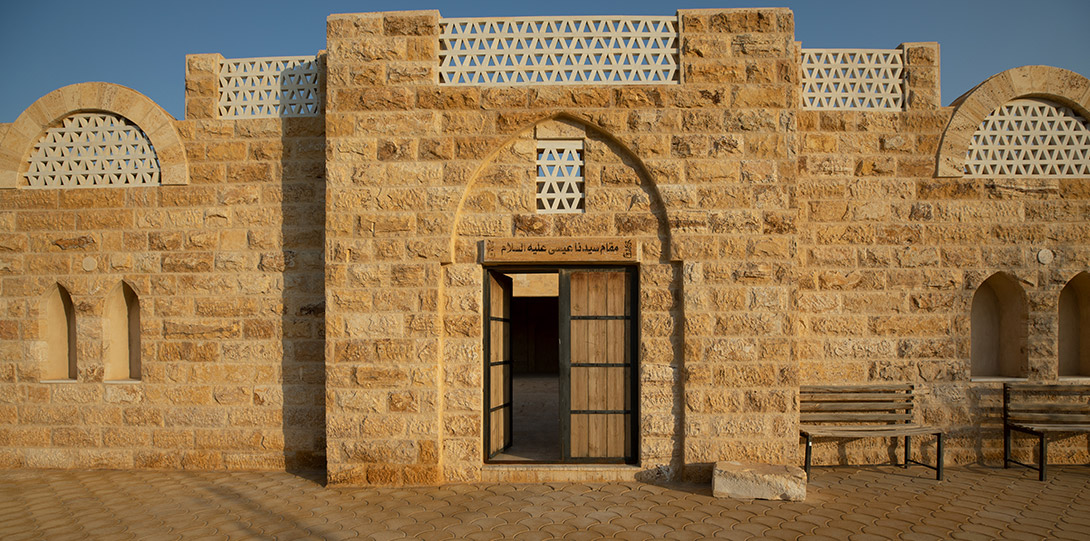
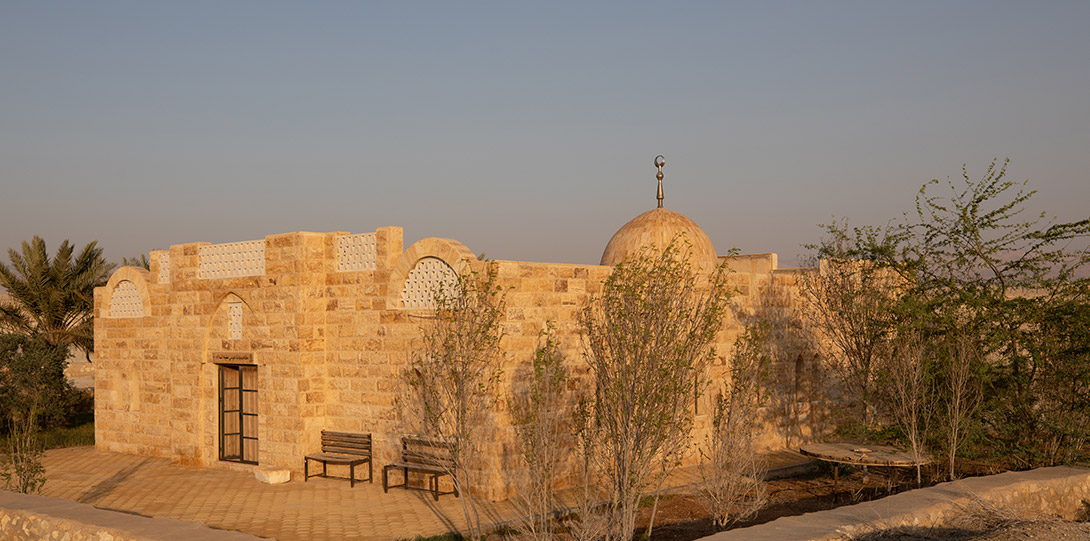
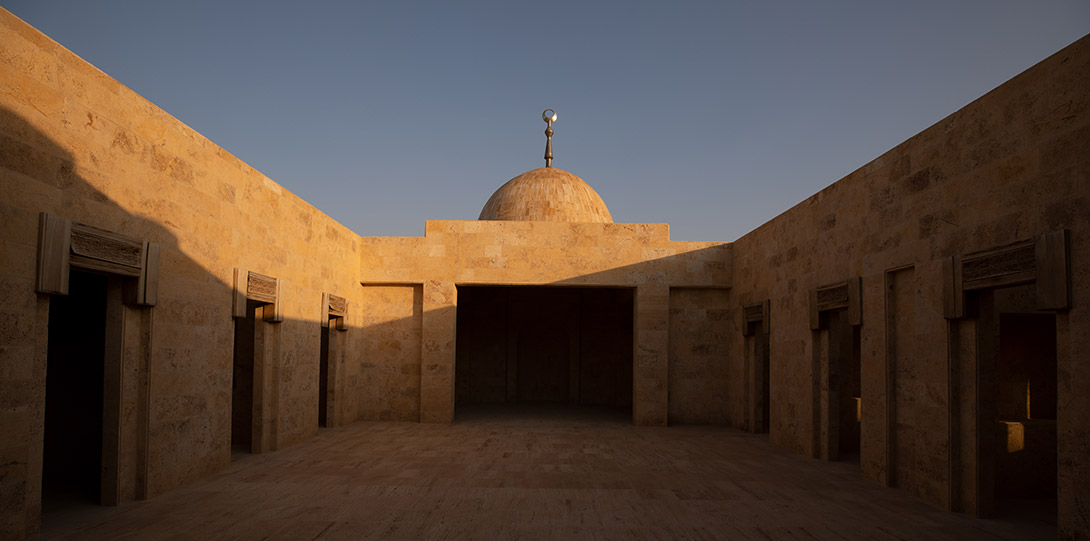
The Baptism Site (Al-Maghtas) is the place where Prophet Issa (peace be upon him) was baptized (i.e., washed in a specific manner according to Christian rituals) by John the Baptist, who was known to baptize and preach there according to Christian beliefs. There, Prophet Issa (peace be upon him), at the age of thirty, stood before Prophet Yahya (John), (peace be upon him) to be baptized with water, marking the beginning of his mission to humanity. This site was discovered through archaeological excavations conducted in 1996-1997 along the "Wadi Kharrar" area. Known as "Mount Elijah" or "Prophet Elias," and the area of the churches of "John the Baptist" near the Jordan River. There is evidence mentioned in the Biblical texts, as well as in the writings of Byzantine historians and medieval chroniclers, in addition to the excavations in that area, proving that it is located east of the Jordan River in the land of the Hashemite Kingdom of Jordan. In the Gospel of John (1:28), it is mentioned, "Bethany beyond the Jordan, where John was baptizing." Here, the phrase "beyond the Jordan" refers to the eastern bank of the river. It is also mentioned in the Gospel of John (4:10) that "Jesus Christ also traveled across the Jordan where John the Baptist had been baptizing at first, and He went again to the same place and stayed there." During the recent excavations in Jordan in 1997, a series of ancient sites were discovered, linked to the location where John the Baptist used to baptize and where Jesus Christ (peace be upon him) was baptized. This series of sites is located along the Kharrar Valley, east of the Jordan River. A Byzantine monastery was also discovered at this site in the valley, referred to as "Bethany beyond the Jordan." This site is located approximately two kilometers (2.1) east of the Jordan River and nine kilometers north of the Dead Sea. There are several natural springs that form pools from which water flows into the Wadi al-Kharrar, eventually draining into the Jordan River. There is also a pastoral oasis located at the beginning of Wadi al-Kharrar and the site of Tel al Kharrar. There are three pools at Tel al Kharrar, with the first pool located on the lower western slope of the hill. It dates back to the Roman period, specifically between the 3rd and 4th centuries AD. The other two pools are located at the top of the northern edge of Tel al Kharrar. The southern pool is rectangular in shape and has an internal staircase on the eastern side, with four steps extending across the width of the pool, which can be clearly seen. Christian pilgrims can descend into the pool to be baptized. There are two square pools that also date back to the same Roman period. The carved square stones were added to the southwest corner of the northwestern pool during later periods. It was probably used as a staircase to go down to the pool. The water reaches the pools through channels covered with arches. The site is also characterized by ruins dating back to the Roman and Byzantine periods, such as churches, small temples, monasteries, and caves that were used as shelters for hermits, in addition to the baptismal pools, all of which indicate the religious significance of this place. This site is also a destination for Christian pilgrims. Accordingly, the World Heritage Committee of UNESCO approved, on the afternoon of July 3, 2015, the inclusion of this cultural site on the World Heritage List under the name "Baptism Site: Bethany Beyond the Jordan" (The Baptism Site) (Jordan). Pope Benedict XVI visited the Baptism Site during his pilgrimage to the Holy Land in 2009. Excavations in the area revealed the remains of a Byzantine church that was built during the reign of Emperor Anastasius. There are also several water wells and pools at the site, which are believed to have been used by early Christians for communal baptism rituals. The Department of Antiquities has restored the site that was visited by His Holiness Pope John Paul II and declared it a Christian pilgrimage site in the world, along with four other sites in Jordan: the Machaerus Fortress, Mount Nebo, the Lady of the Mountain Shrine in Anjara, and the Prophet Elijah Shrine in Khirbat al Wahadna.
Visit Information
Working Hours
OpenLocation
Wadi Al Kharar