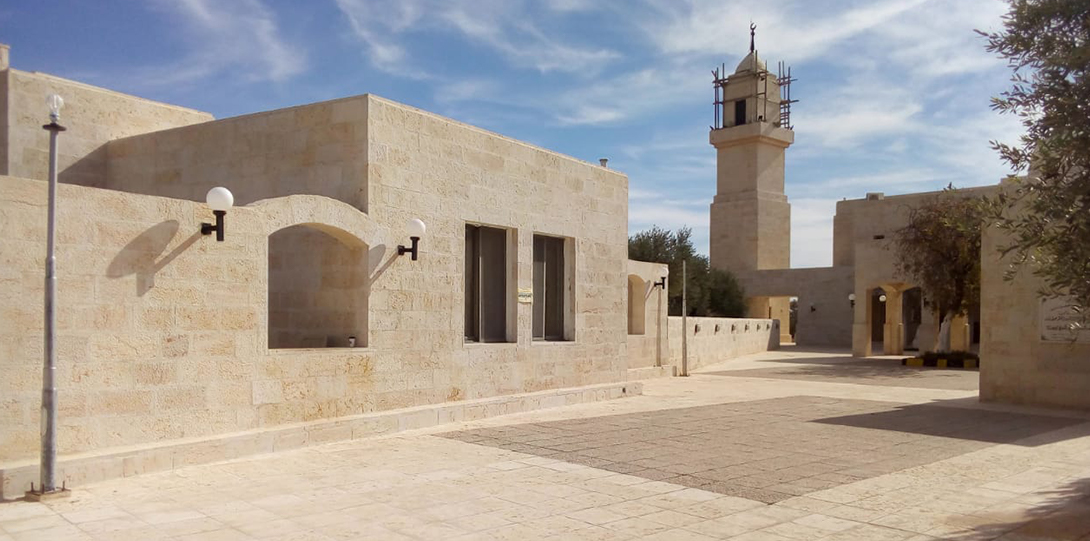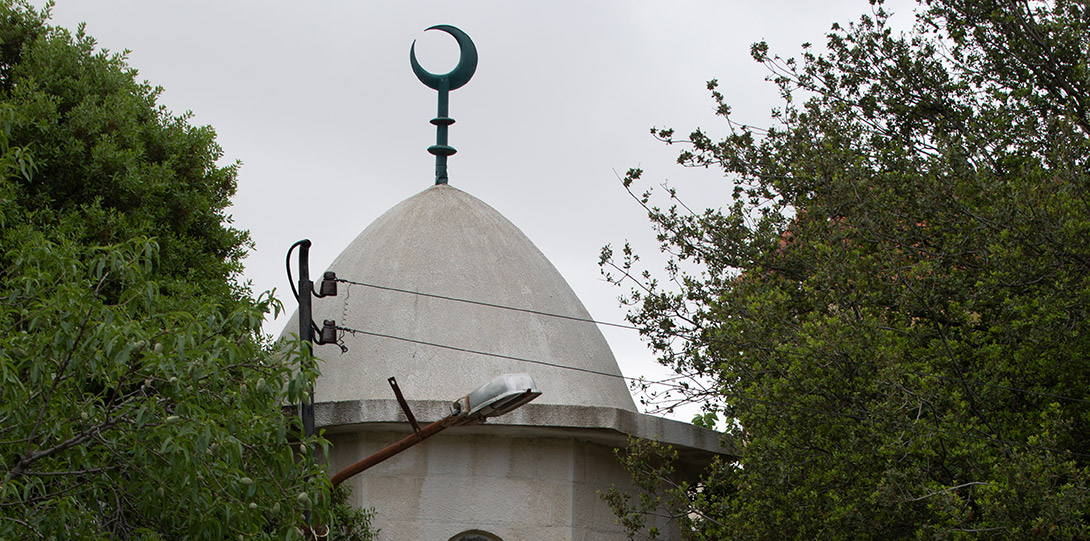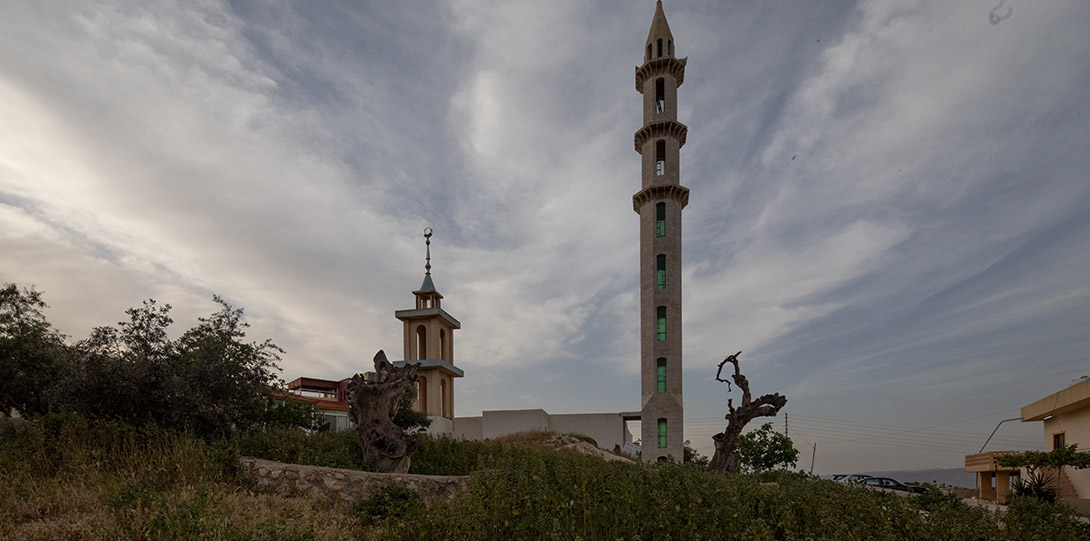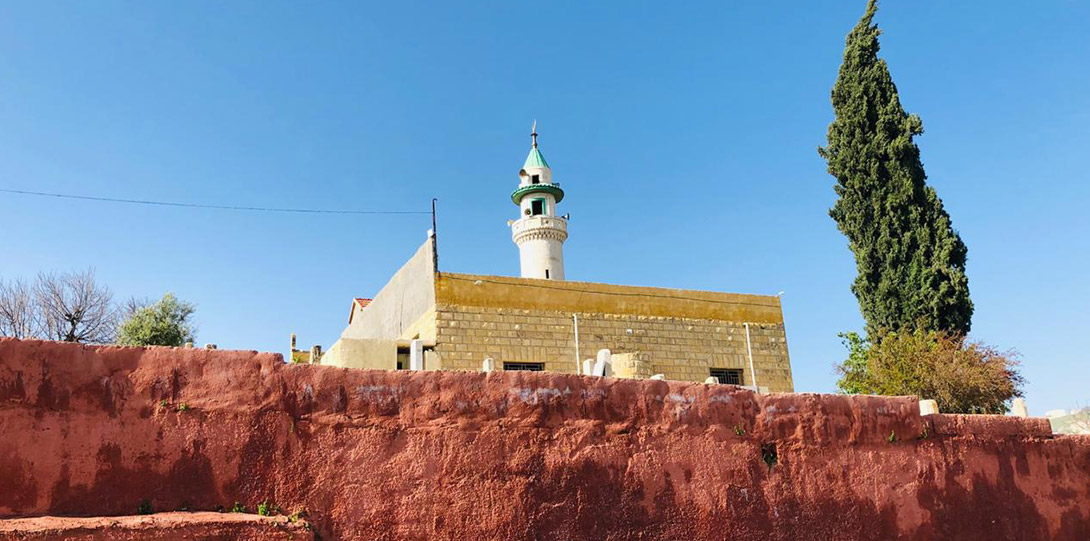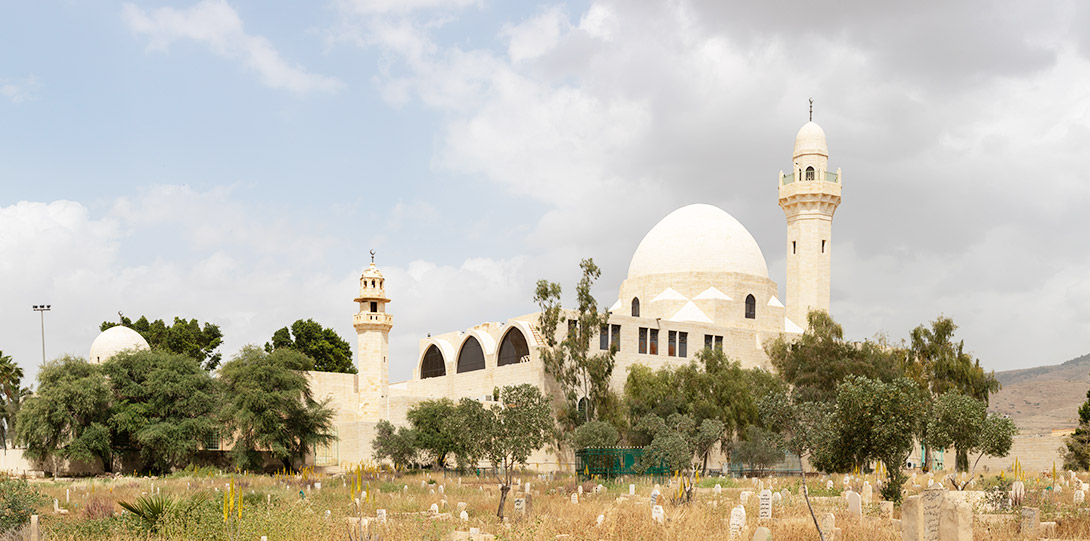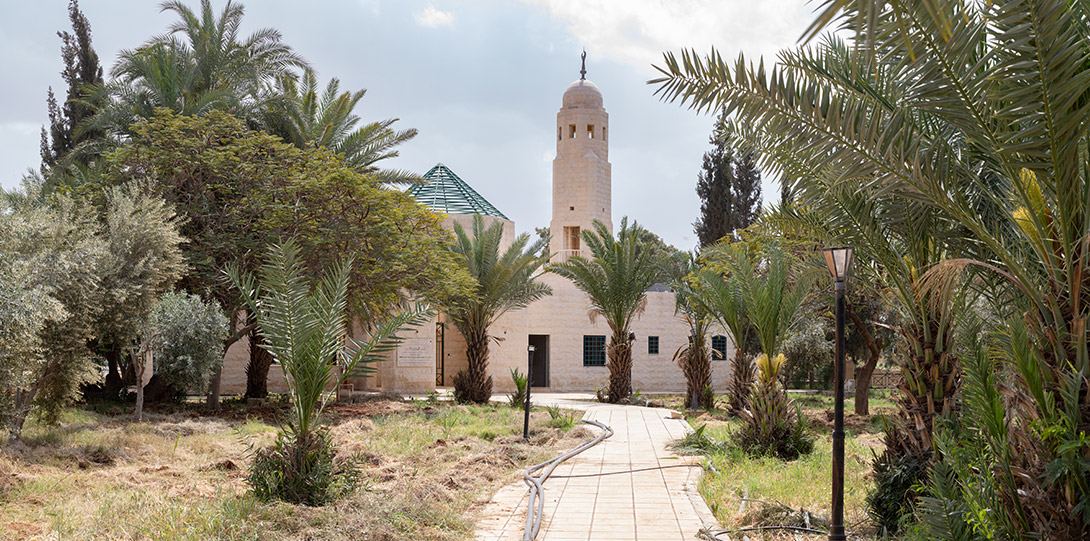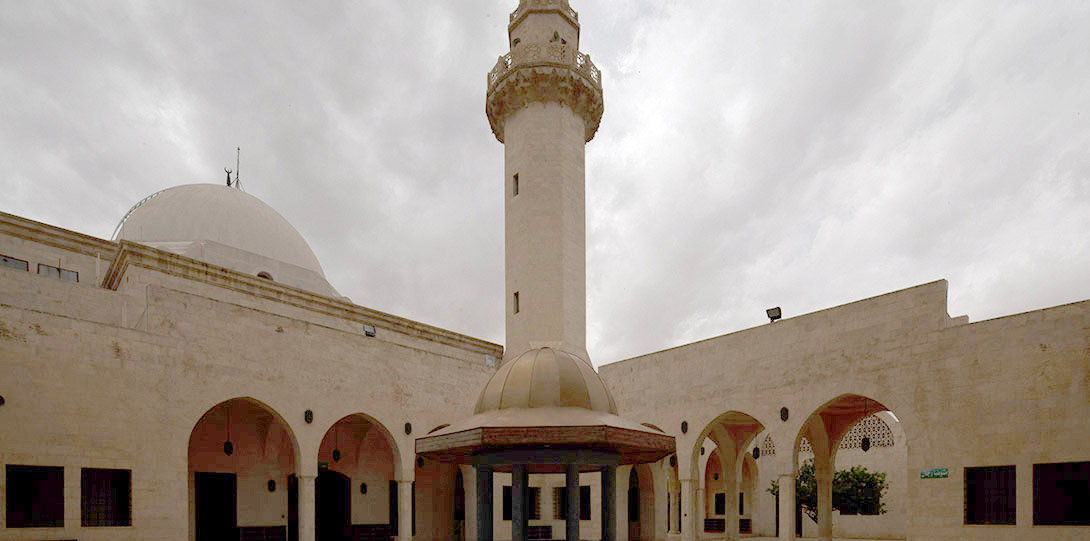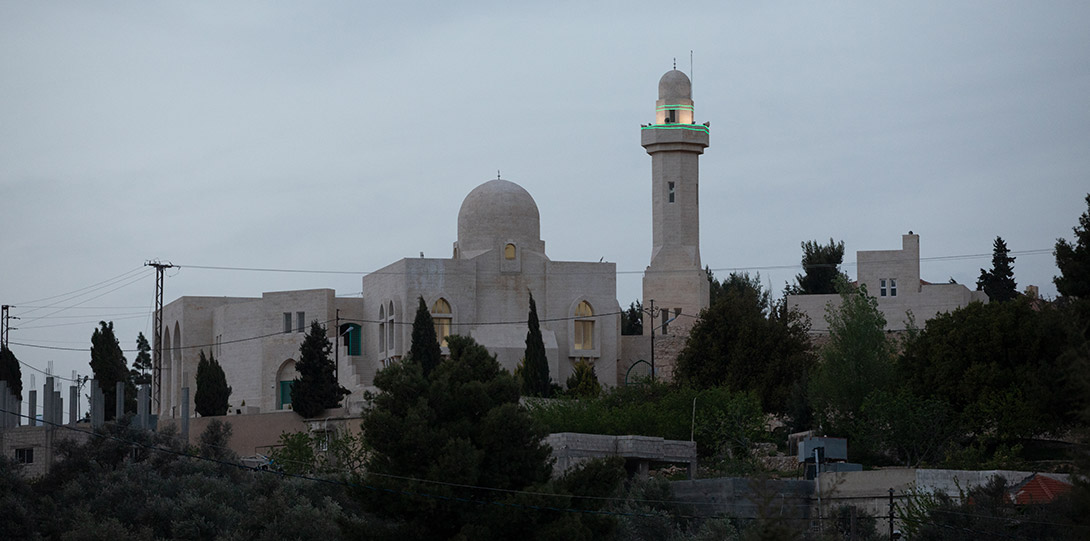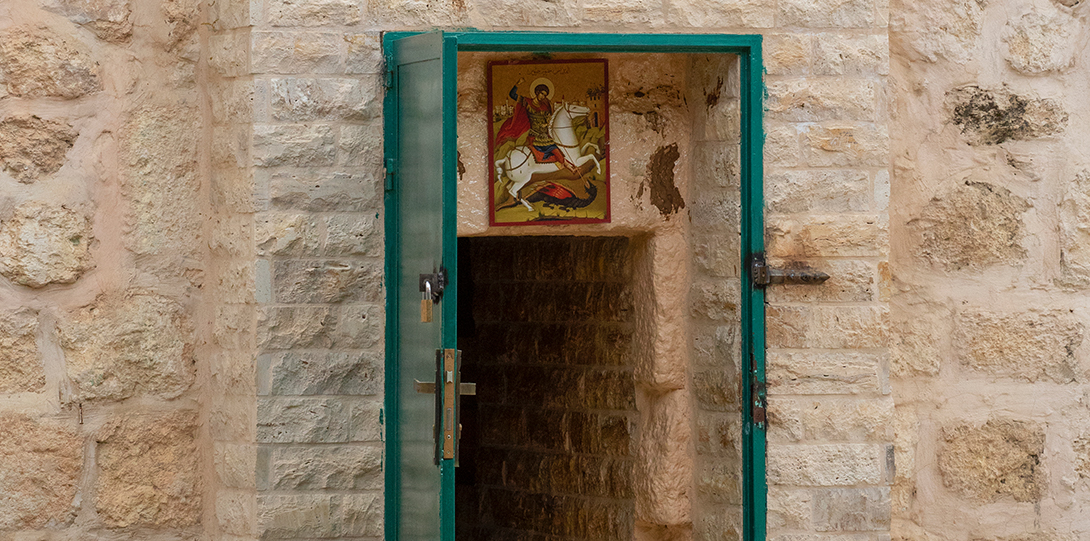
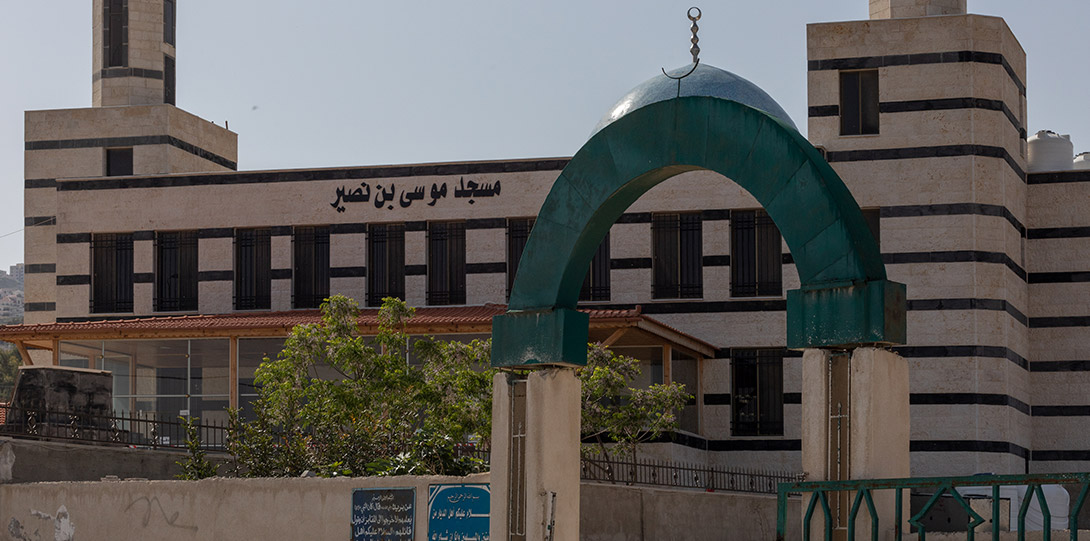
Maqam of the companion and leader, Sayyidna Musa bin Nusayr, may Allah have mercy on him.
Bin Khalkan said about him: "He was wise, generous, courageous, and pious, a devout man who never had his army defeated." Musa bin Nusayr is considered one of the Tabeen (followers). He narrated from Tamim al-Dari, and was narrated about by Yazid bin Masrouq al-Yahsabi. He accompanied Caliph Suleiman bin Abd al-Malik on Hajj in 97 AH, but passed away on the way, either in Wadi al-Qura or near Mar al-Thahran. Muslim bin Abd al-Malik performed the prayer (Salat) on him. He was also known for his eloquence in prose and poetry, in addition to his military and administrative talents.
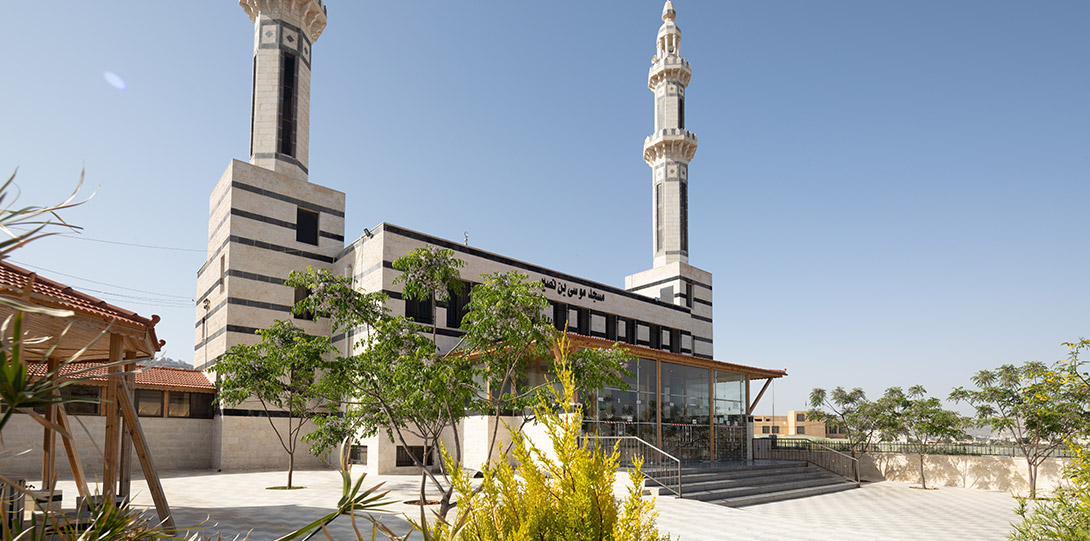
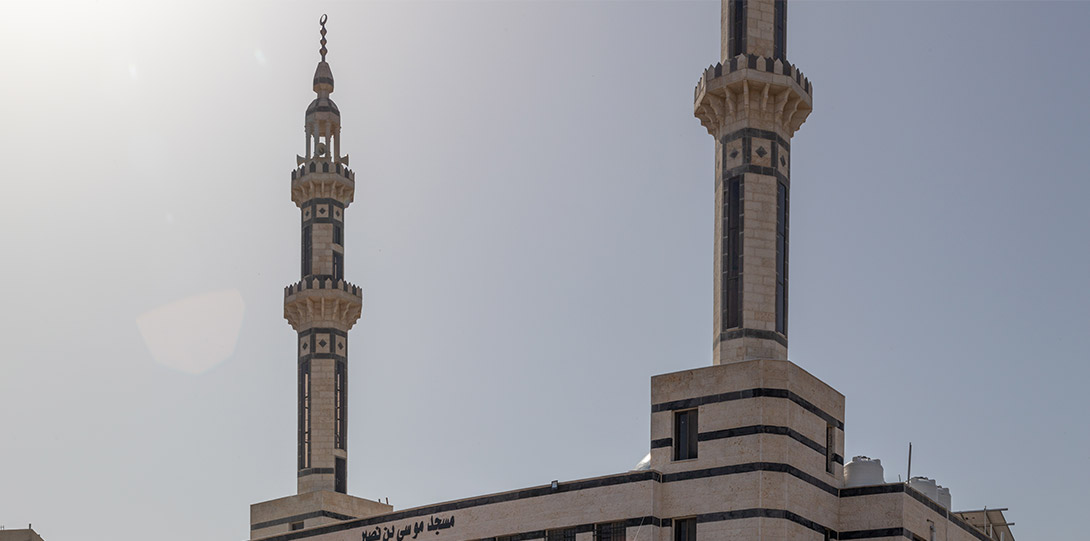

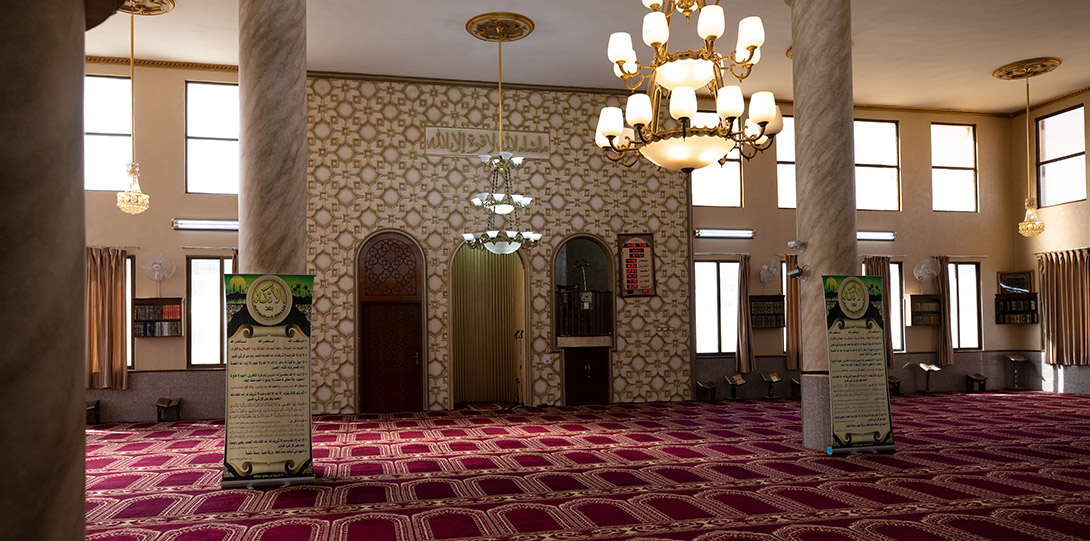

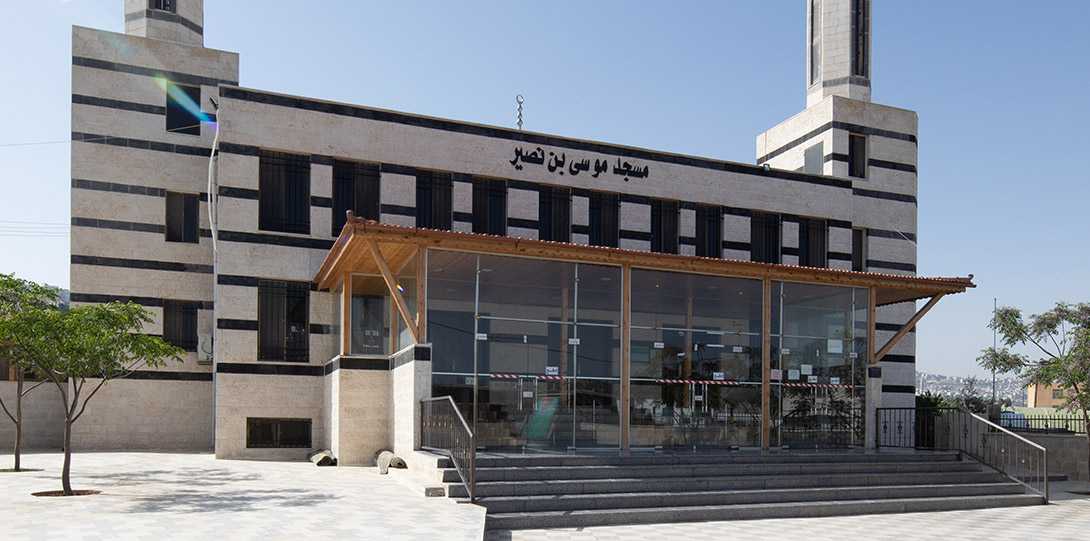
About the Site
When Walid bin Abd al-Malik became caliph and dismissed Hassan bin Numan, he appointed Musa bin Nusayr in his place in 89 AH. During this time, a Berber revolt erupted in Morocco after Hassan's departure. Musa sent his son, Abdullah, to suppress the rebellion. Abdullah successfully conquered Morocco entirely, and the last remaining rebel forces submitted to the Muslims. Musa also cleared the remaining Byzantine bases along the coast of Tunisia. Musa bin Nusayr's efforts to suppress the Berber revolt and expel the Byzantines marked the final phase of the conquest of Morocco. His military success extended to the Balearic Islands, where he led naval expeditions to conquer the Byzantine-controlled islands of Mallorca, Menorca, and Ibiza, bringing them under Umayyad rule. After securing Morocco, Musa set his sights on the conquest of Al-Andalus, which was then under the rule of the Visigoths, as part of the Umayyad ambitions for expansion. Musa bin Nusayr sought permission from the Umayyad Caliph, Al-Walid bin Abd al-Malik, to invade Al-Andalus. The caliph advised him to test the region with smaller raids first. After these reconnaissance missions, Musa assembled an army led by the general Tariq bin Ziad, with assistance from Julian, the governor of Ceuta. The Muslims successfully invaded Al-Andalus and defeated the Visigoths decisively in the Battle of Wadi Lakka in 92 AH (712 AD). Musa's descendants are still present in Yemen, Syria, Saudi Arabia, Jordan, Egypt, and Morocco, preserving their family lineage.
Visit Information
Working Hours
OpenLocation
Abu Nasair - Balqa