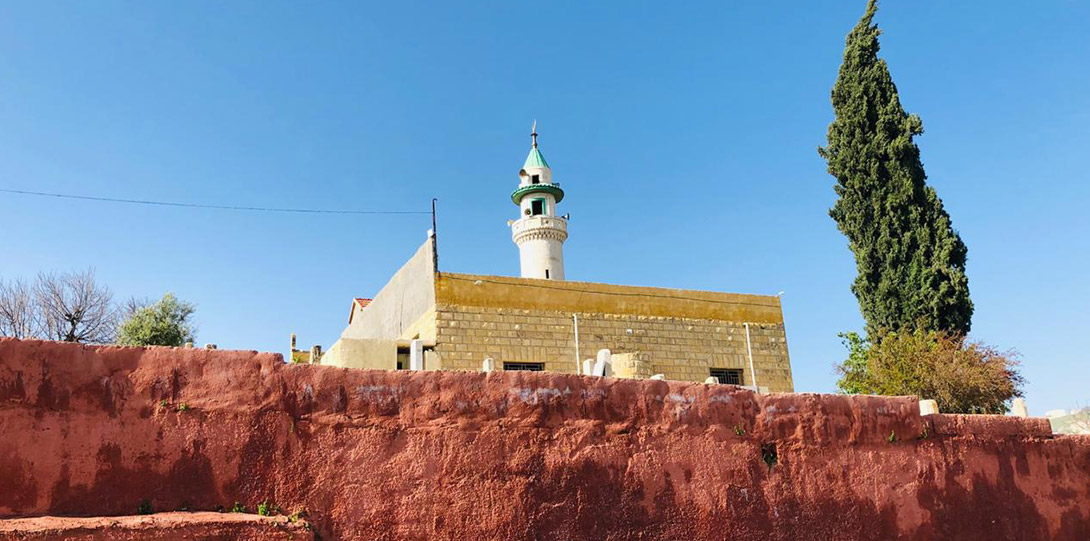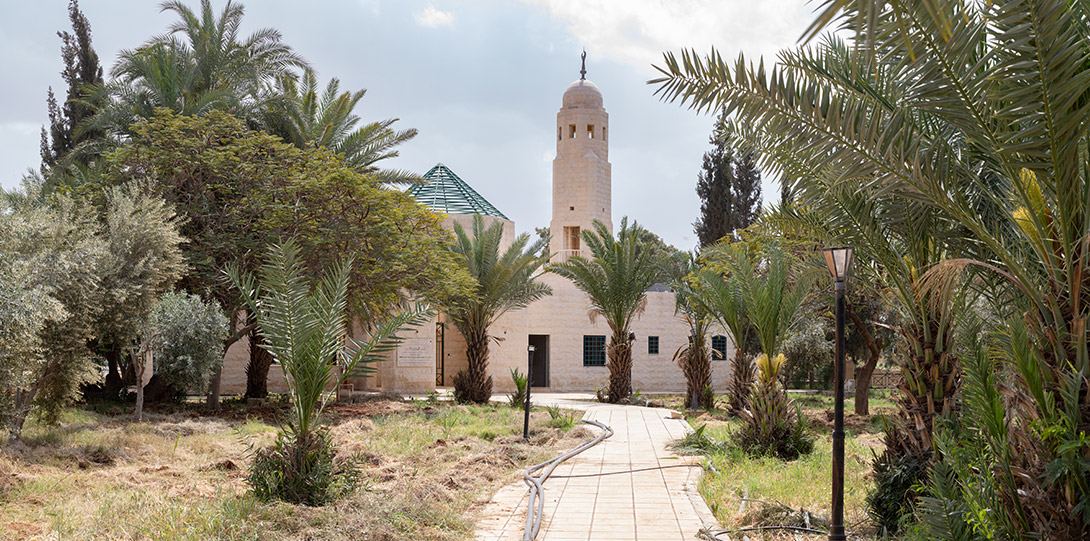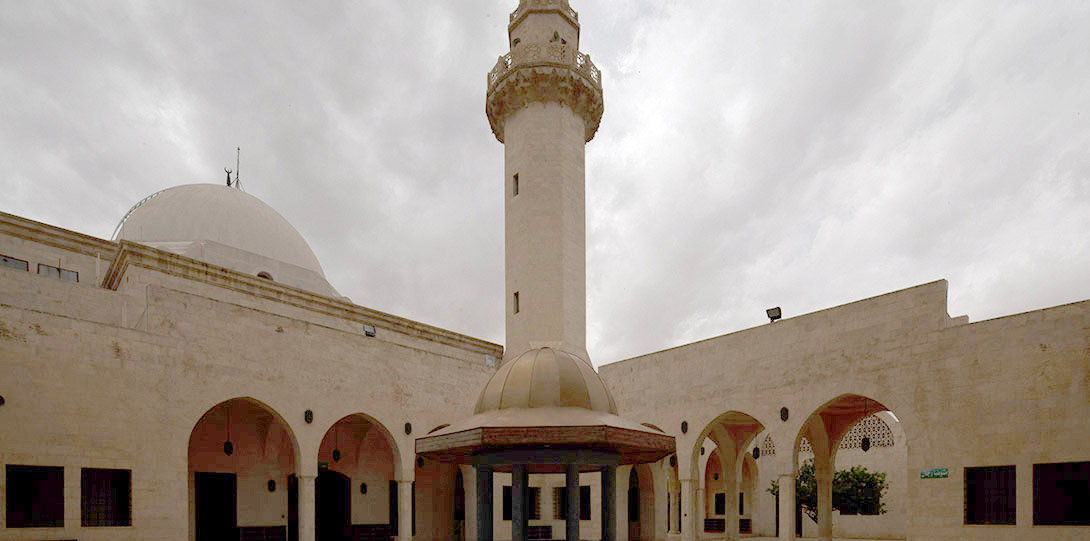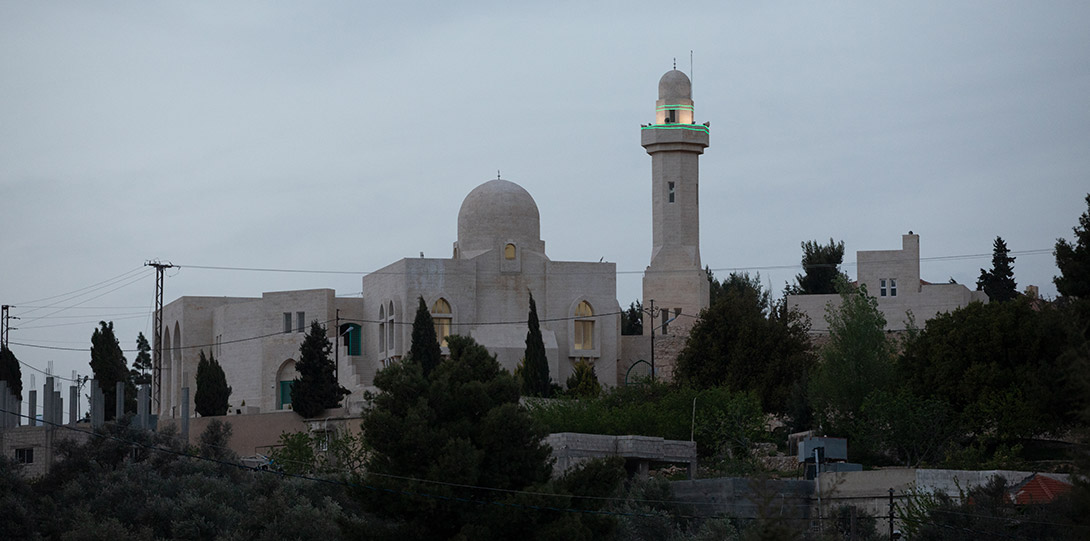
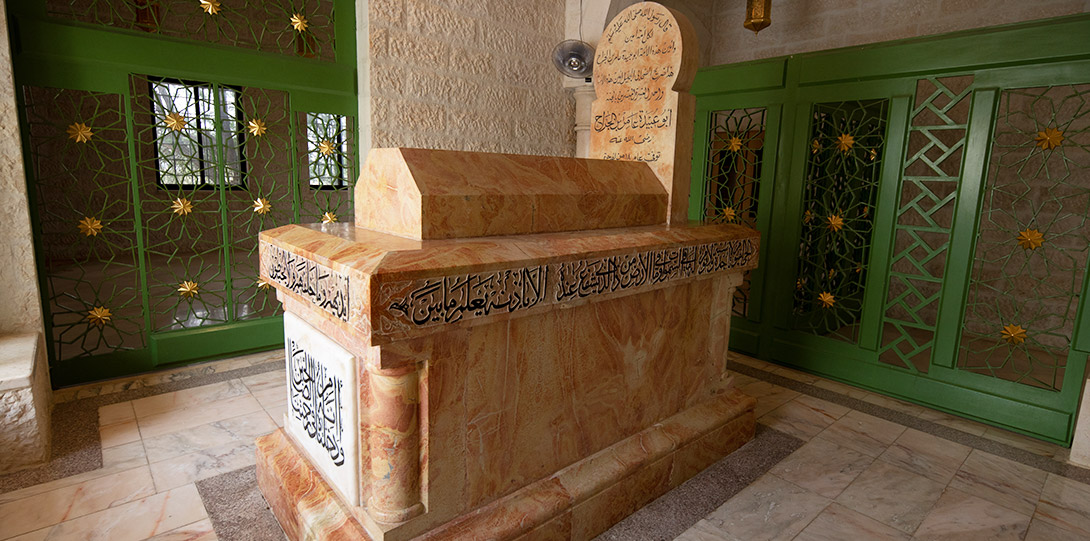
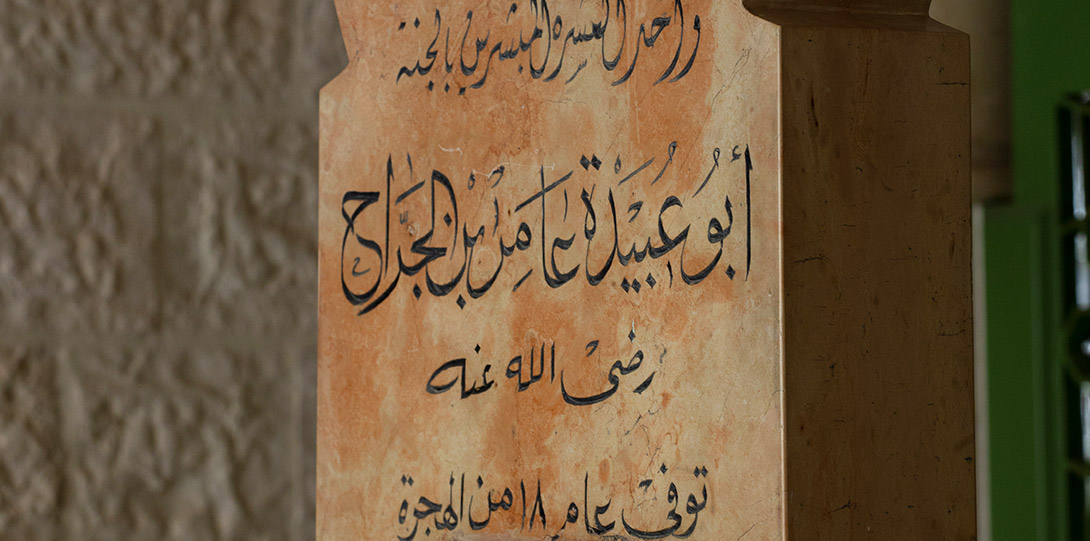
The tomb of the noble companion, Abu Obaidah Amer bin Al-Jarrah
The noble companion, Abu Obaidah Amir bin Abdullah bin al Jarrah al-Fihri al Qurashi (40 BH/584 CE - 18 AH/639 CE), was a companion and Muslim leader and one of the ten promised paradise. He was among the early converts to Islam and was named by Prophet Muhammad (PBUH) as the "Trustee of the Ummah," saying: "Every nation has a trustee, and the trustee of our nation is Abu Obaidah bin al Jarrah." Abu Obaidah embraced Islam early, migrated to Abyssinia (Al Habasha), then to Medina, and participated in all the battles alongside the Prophet (PBUH), including the Battle of Badr and the Battle of Uhud, where he stood firm when the Muslims were ambushed by the polytheists. During the reign of Abu Bakr Al Siddiq (RA), Abu Obaidah (RA) was one of the four commanders appointed by Abu Bakr (RA) to conquer the Levant. Then Abu Bakr ordered Khaled bin al-Walid to march from Iraq to Damascus to lead the Islamic armies there. When Omar bin al-Khattab assumed the caliphate, he deposed Khaled bin al-Walid and used Abu Obaida. Khaled said, "And my guardian over you is the trustee of this nation." Abu Obaidah succeeded in conquering Damascus and other cities and villages of the Levant. In the year 18 AH, corresponding to 639 AD, Abu Obaidah died due to the plague of Emmaus (Amwas) in the Jordan Valley and was buried there (RA).
About the Site
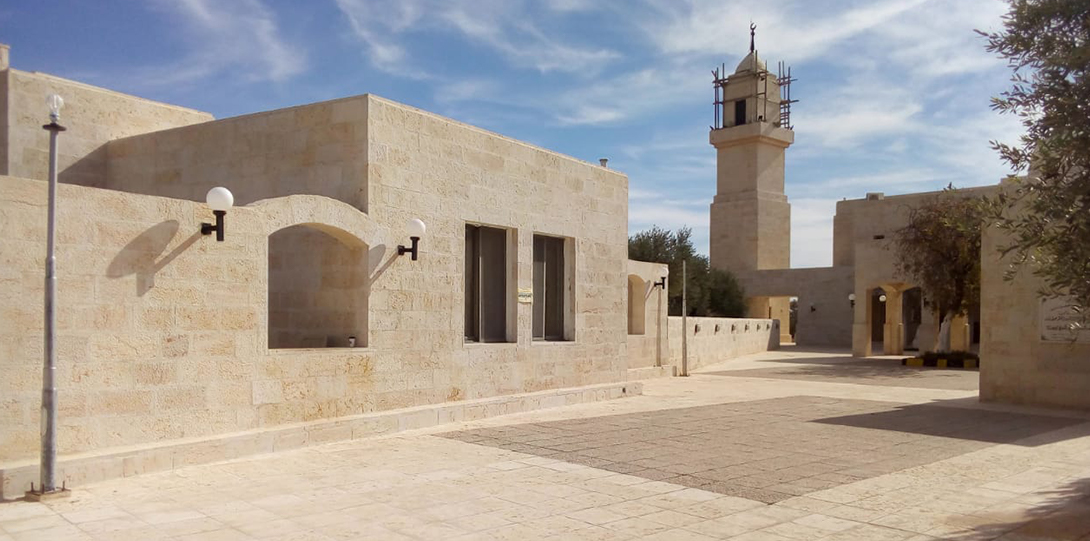
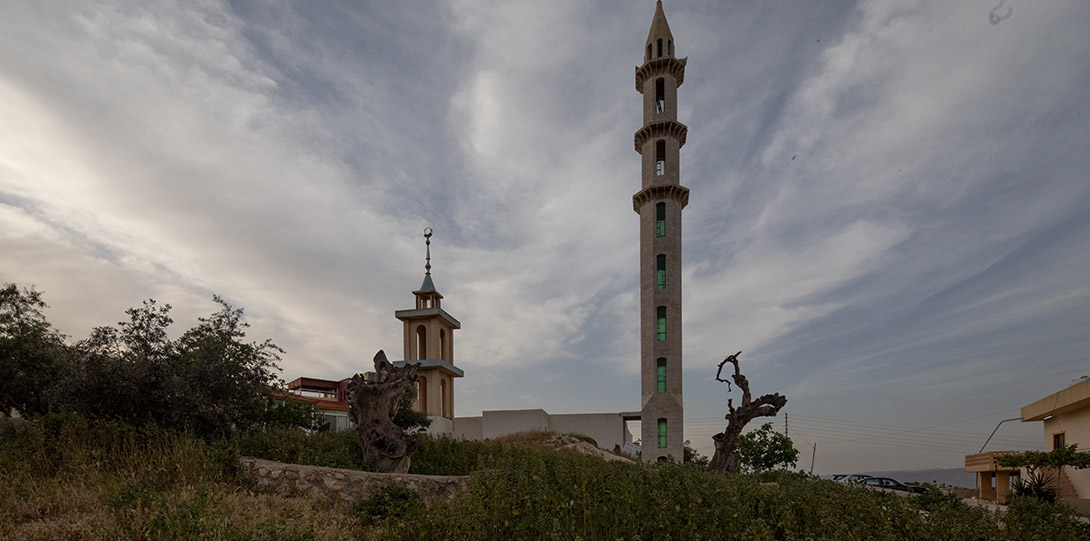
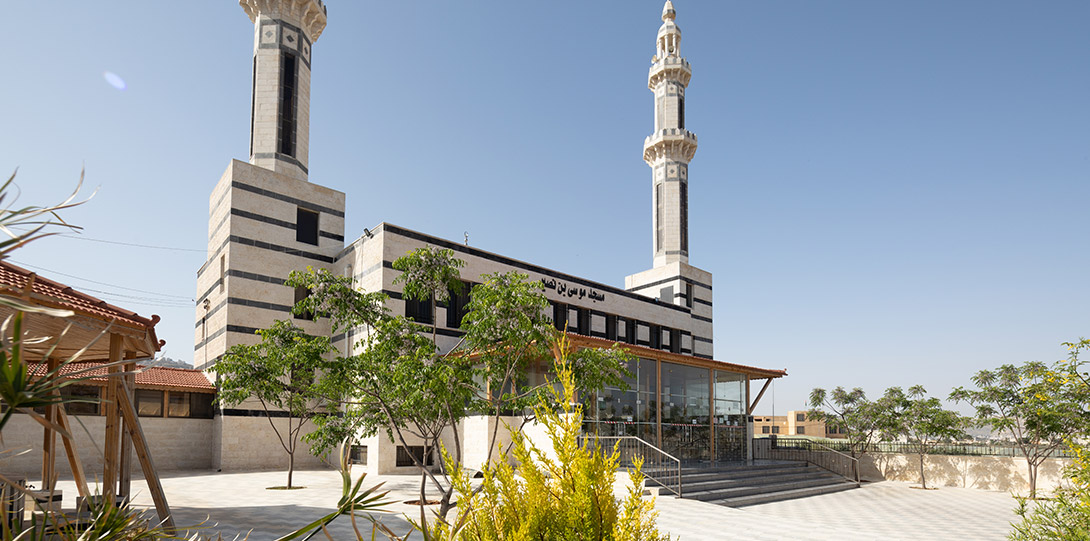
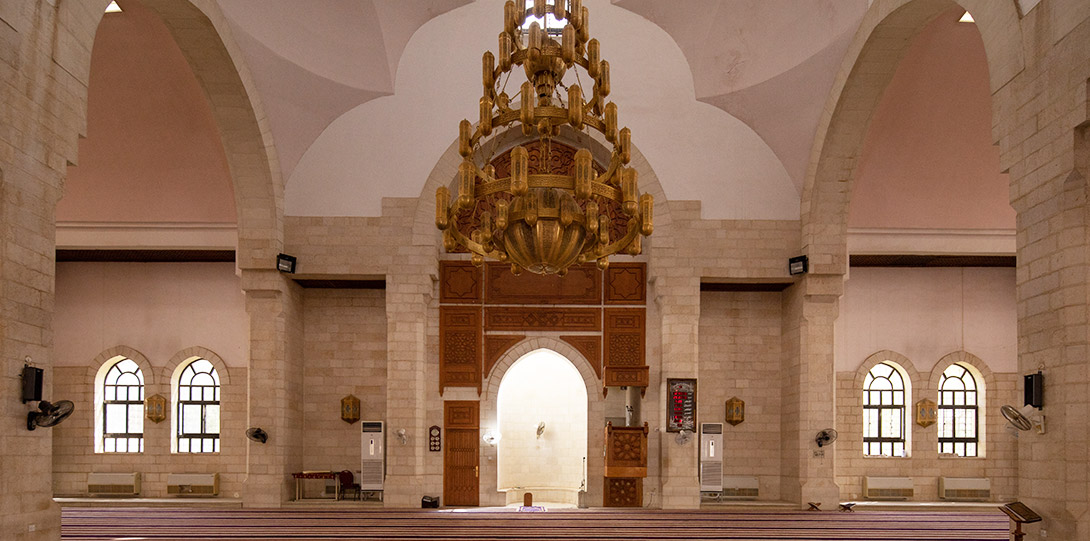
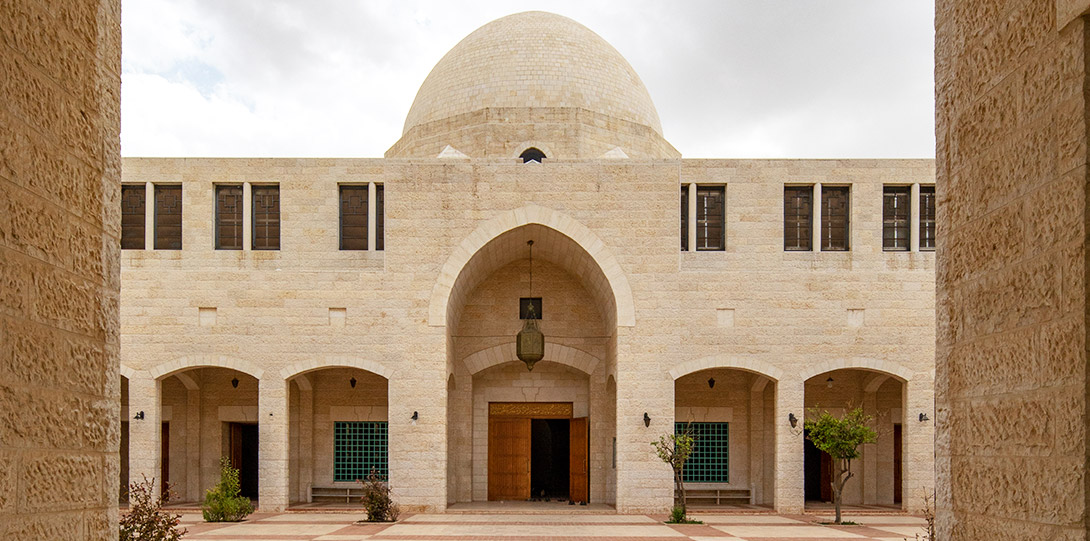
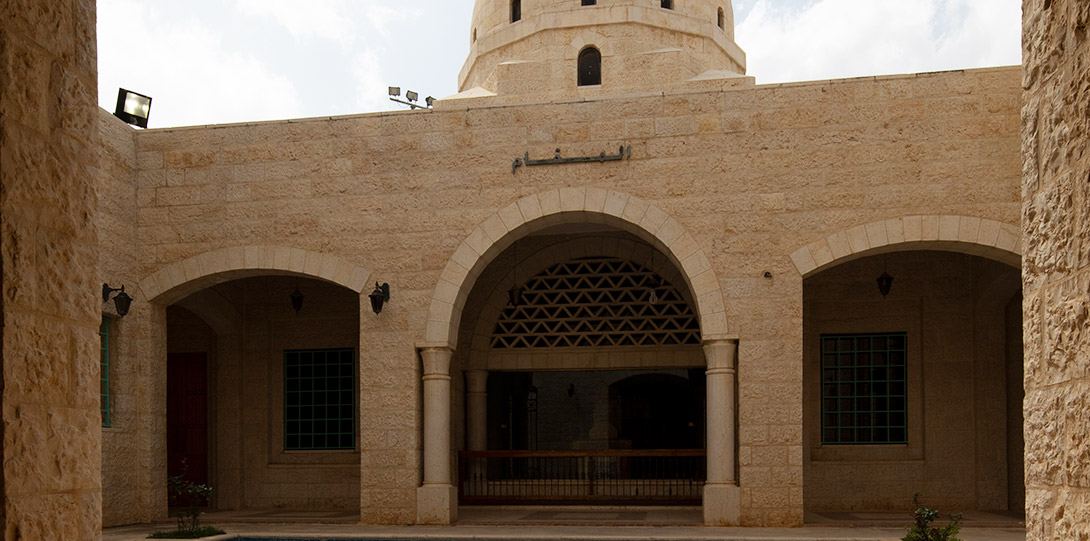
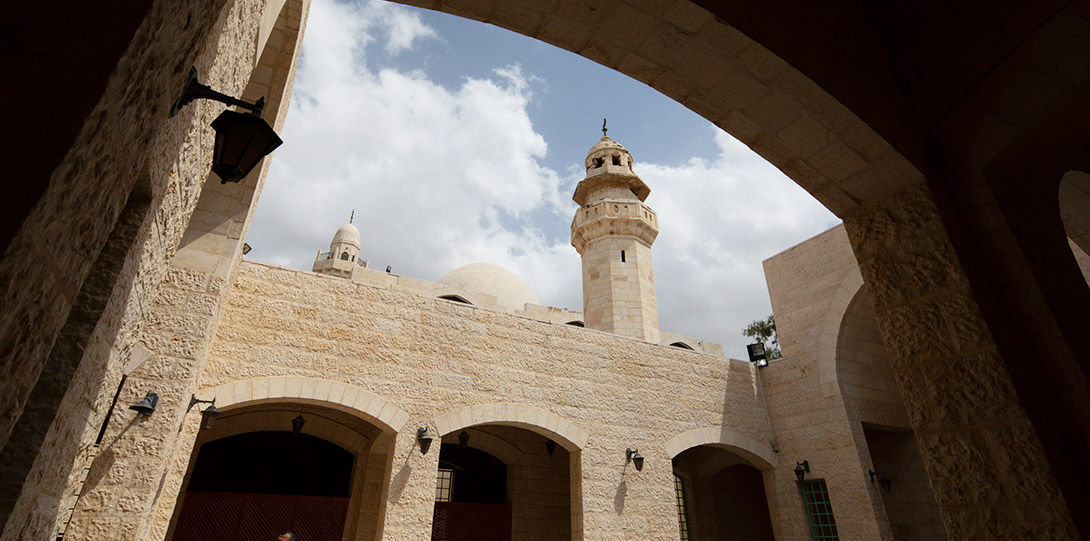
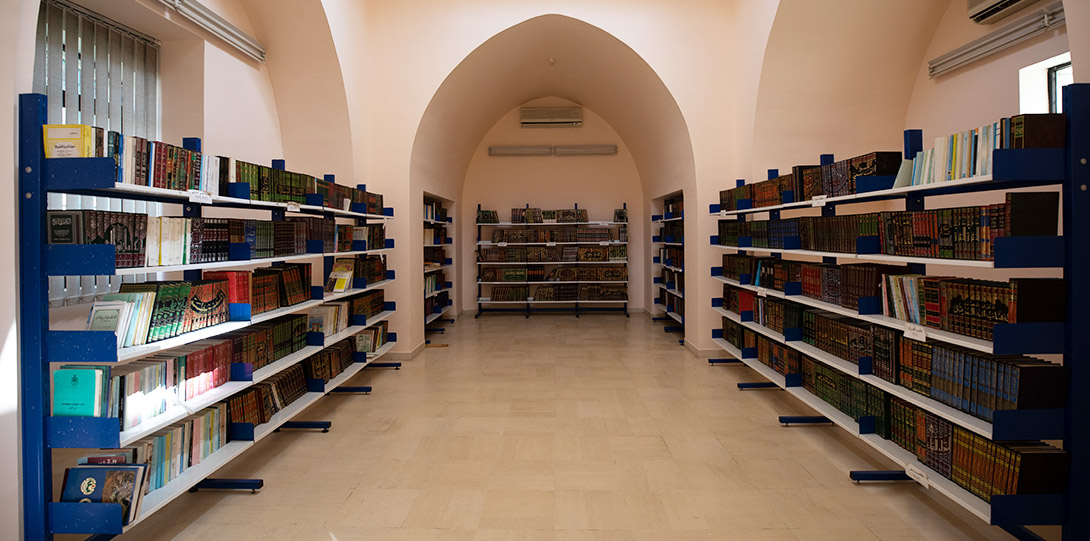
The complex is located 65 km from the capital, Amman, in the central Jordan Valley. It is an Islamic cultural village, featuring a mosque, an Islamic cultural center, the shrine of the "Trustee of the Ummah" Abu Obaidah Amir bin Abdullah bin al-Jarrah (RA), an Islamic library, a museum, a multipurpose hall, VIP lounges, the imam's residence, the muathin's residence, administrative buildings, a commercial market, parking lots, as well as gardens and other facilities. The design follows a unique Islamic architectural style inspired by Islamic symbols and elements. This complex is one of the most important projects undertaken by the Royal Committee for the Reconstruction of the Mosques and Shrines of the Companions and Martyrs. It is located at the beginning of several other companion shrines in the Jordan Valley, which shaped the project’s design philosophy, aiming to represent the living memory of the place and balance spiritual, intellectual, developmental, and social aspects. Therefore, the architectural style serves as a stimulating and enriching medium for these activities and interactions, resulting in a continuation of holistic knowledge, a social entry point that engages with the local community and its relationship to the shrine, and promotes the absorption of the knowledge and spiritual values that overflow from the place. The design also links the companion shrines with reflective spaces related to the Al-Quds al Shareef (Holy Jerusalem), evoking meanings connected to the afterlife, burial, life, and the mosque.
Visit Information
Working Hours
From (8:30) am to (7) pmLocation
Central Jordan Valley - Balqa