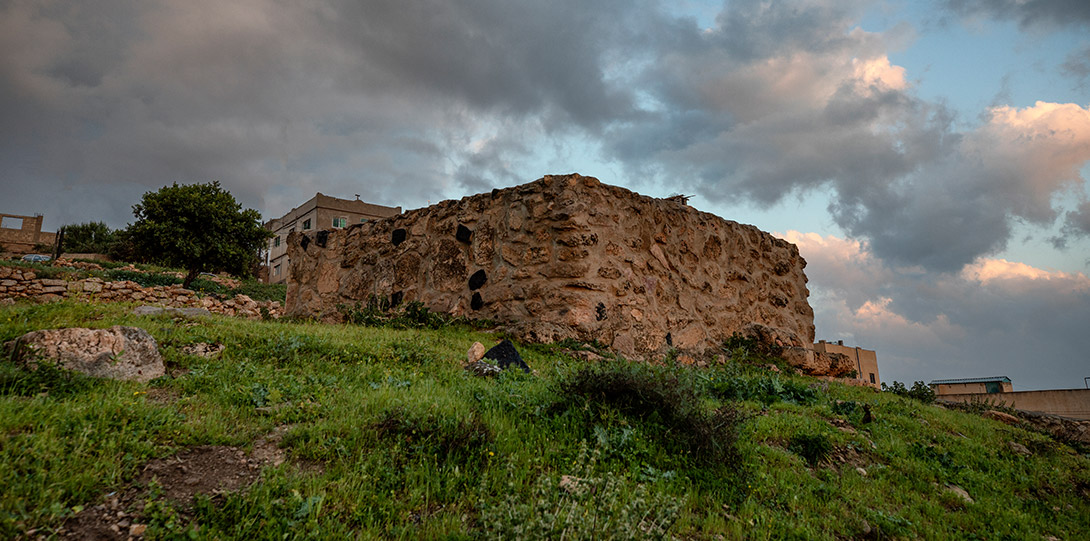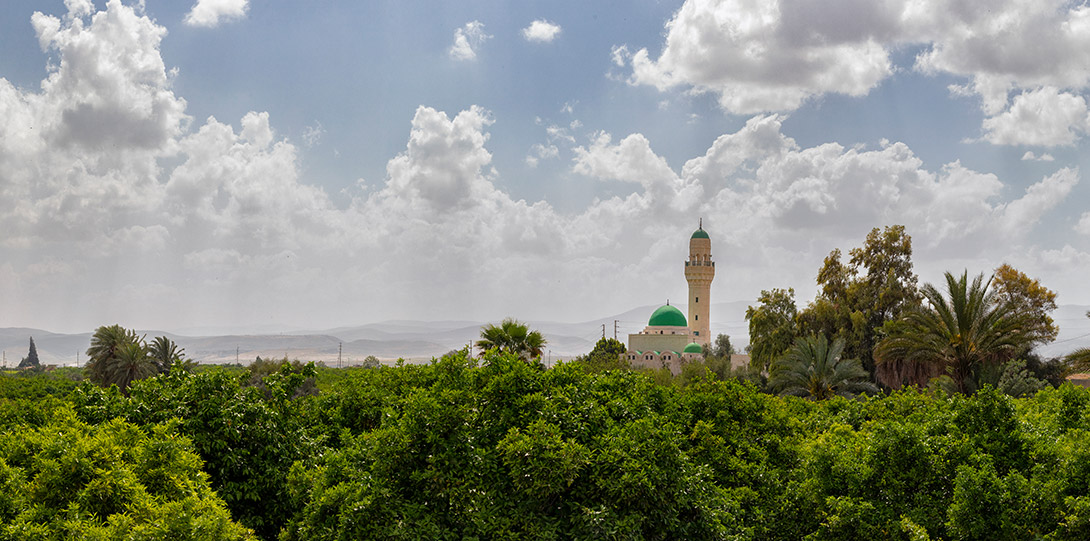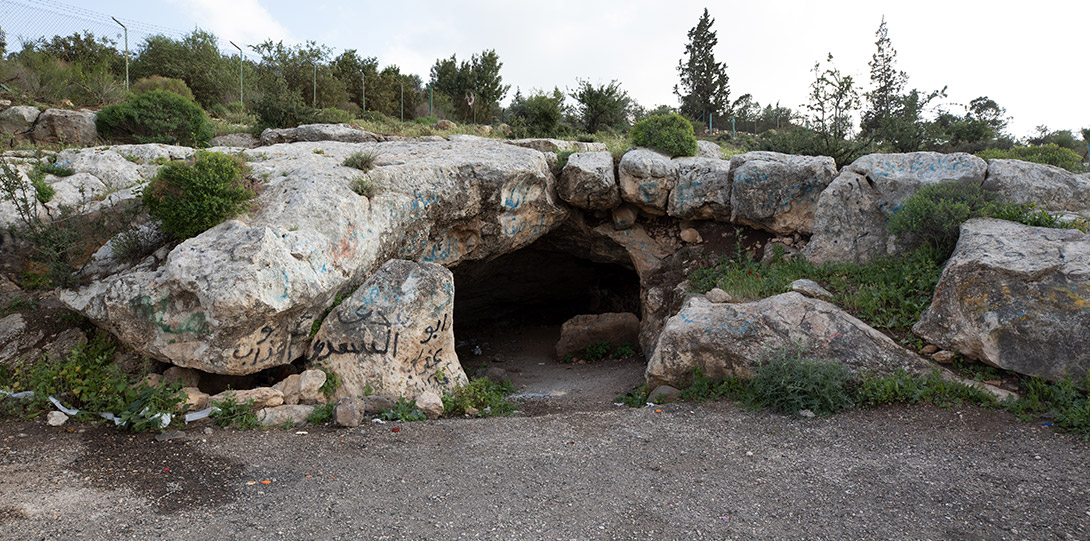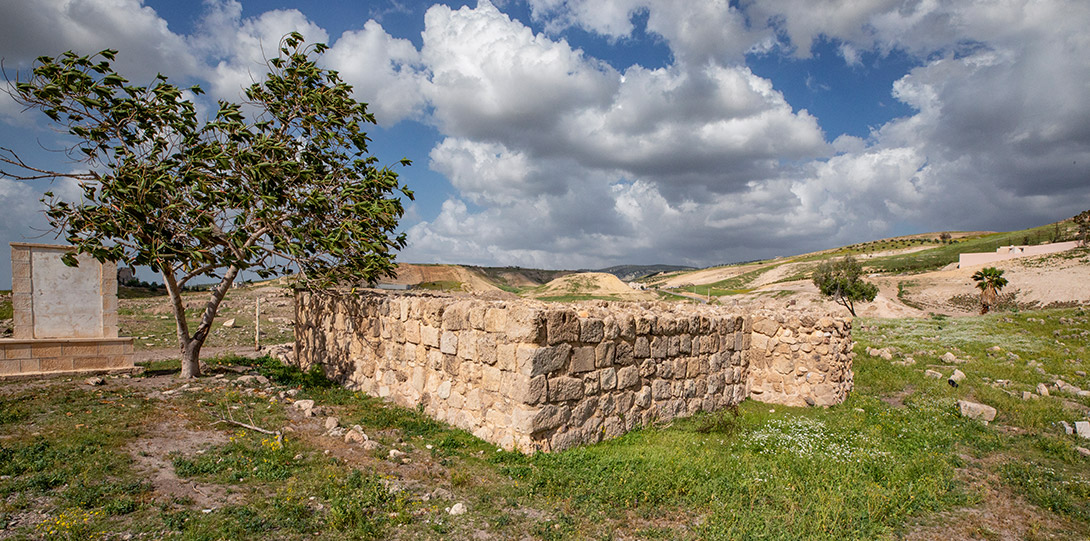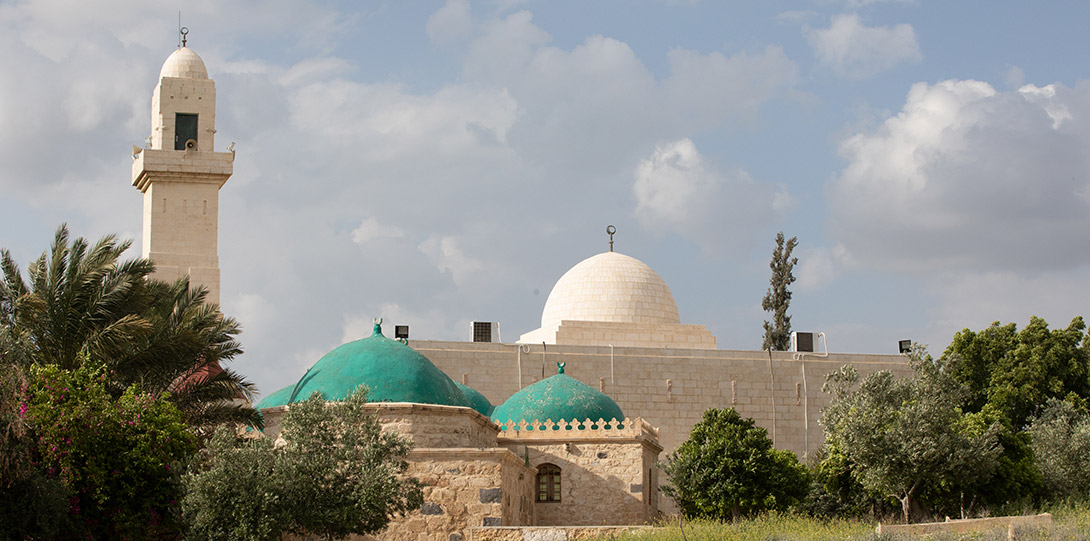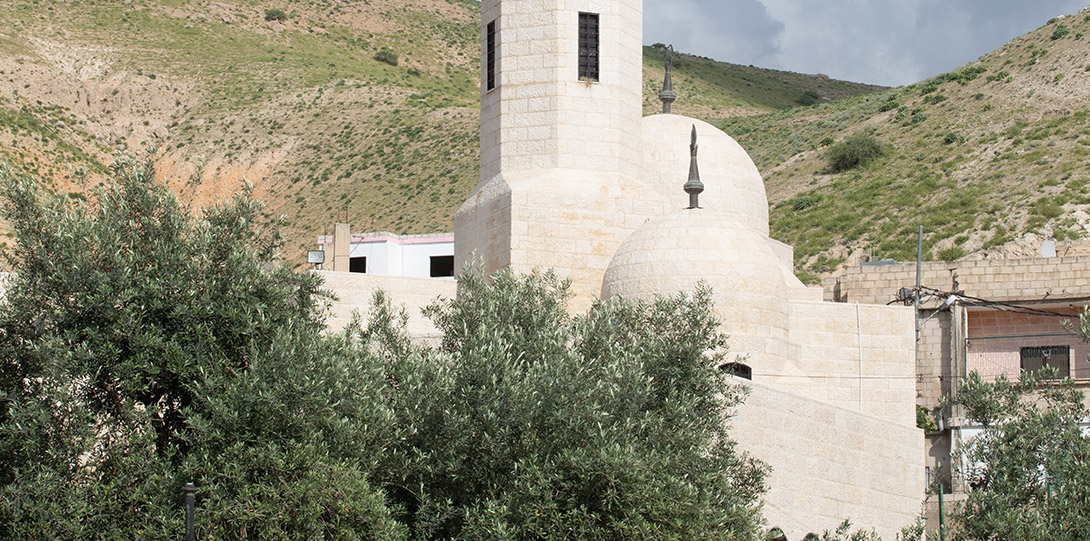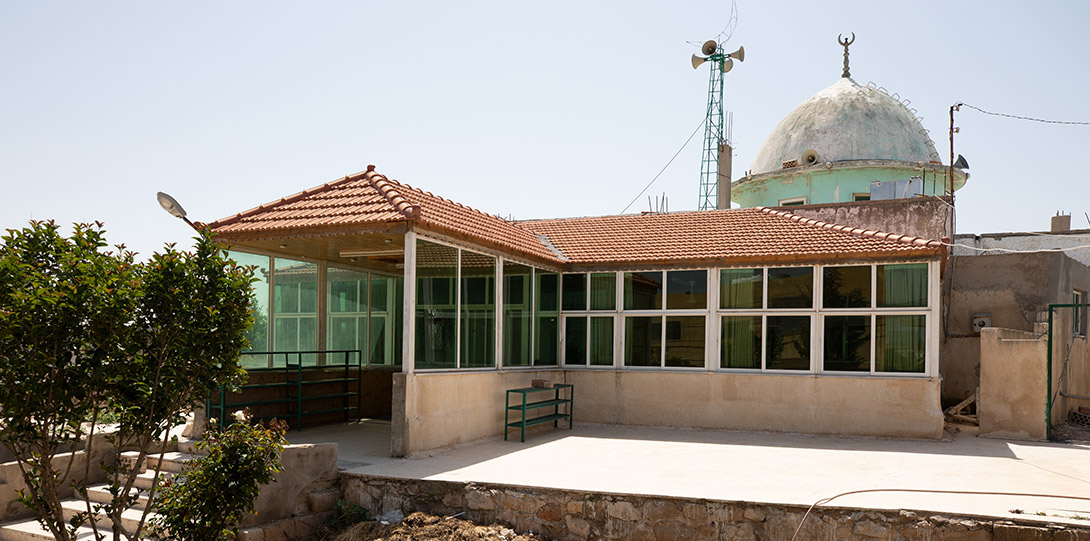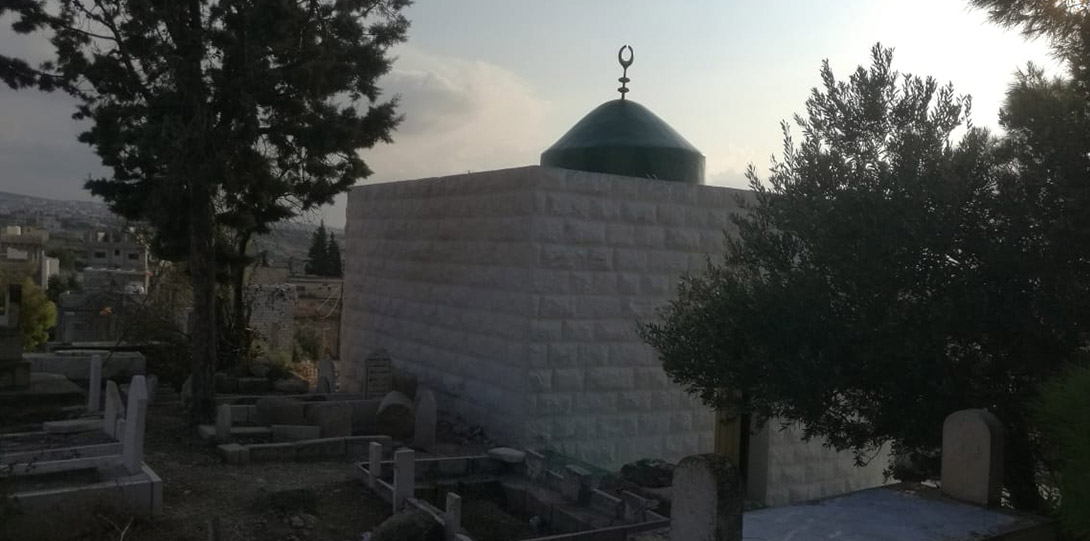
The location of the Battle of Yarmouk
About the Site
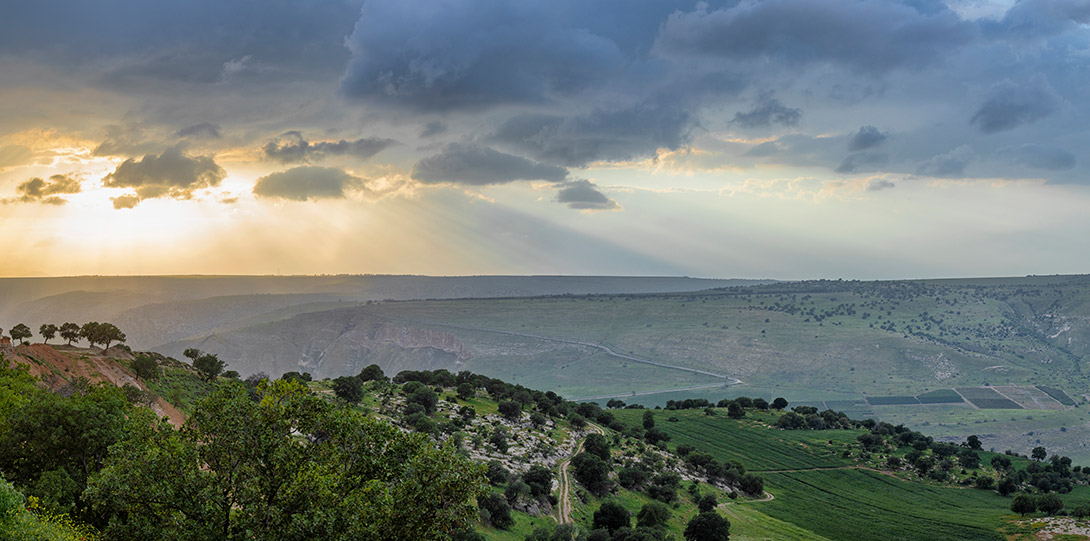
The Battle of Yarmouk took place in the Levant, specifically in Jordan, at Al Jabiya near the Yarmouk River, in an area called Sahm al Kafarat, which is located in the city of Irbid in northern Jordan. All four Muslim armies gathered in this area for the battle. The battle took place in the year 15 AH (636 CE) between the Muslims and the Romans (the Byzantine Empire). Some historians consider it one of the most important battles in world history because it marked the beginning of the first wave of Muslim victories outside the Arabian Peninsula and heralded the rapid spread of Islam in the Levant. The battle occurred four years after the death of Sayidna (our master), the Messenger of Allah, peace be upon him. The Muslim armies decided to withdraw from Al Jabiya near Damascus to the Yarmouk River after the Roman army advanced towards them. Khalid bin al Walid took over the overall command of the army after Abu Obaidah bin al Jarrah stepped down. The Muslim forces consisted of 36,000 fighters, while the Roman army numbered 240,000 soldiers. Khalid bin al Walid reorganized the army after taking command. He made a quarter of the Muslim army cavalry, about 10,000 horsemen, and divided the army into 36-40 "Kurdus" (battalions) of infantry, which were distributed into four infantry divisions. The leaders of the divisions were: Abu Obaidah bin al Jarrah, Sharhabil bin Hasnah, Yazid bin Abi Sufyan, and Amro bin al As. On the right flank was Muath bin Jabal, on the left flank was Nafatha bin Osama al Kinani, and in the center was Hashim bin Otbah bin Abi Waqqas. Khalid bin al Walid led the cavalry. Each division consisted of nine brigades, organized based on tribal or clan affiliations, so that each soldier fought alongside his fellow Muslim from his tribe or clan. The battle lasted for six days, during which the Muslims repelled the Roman attacks each day. Khalid bin al Walid used a "mobile and fast cavalry unit" led by himself, which would quickly move from one place to another. Whenever the Muslim army was under pressure and retreating from the Romans, they would regroup by the end of the day either back in their original positions before the battle or at their camps. The situation continued in the same way during the first four days, with the Romans suffering greater numerical losses than the Muslim army. On the fifth day, not much happened after Khalid rejected the "three-day truce" offered by the Romans, famously saying to the Roman messenger, "We are in a hurry to finish this task." On the sixth day, Khalid's strategy shifted from defense to offense. With his brilliant genius, he was able to launch a swift attack on the Romans, utilizing a unique military approach at the time—properly exploiting the capabilities of the "rapidly mobile cavalry unit." This maneuver turned the imminent defeat of the Muslims into a decisive victory for them. Khalid bin al Walid moved north after the battle ended, pursuing the retreating Byzantine soldiers. He encountered them near Damascus and attacked. It was there that the Byzantine army's overall commander, Mahan, was killed. Mahan had escaped the inevitable fate that befell the rest of his soldiers during the battle. Afterward, Khalid bin al Walid conquered the city of Damascus, where its residents welcomed him.
Visit Information
Working Hours
The visit is open in the location of the viewLocation
Irbid