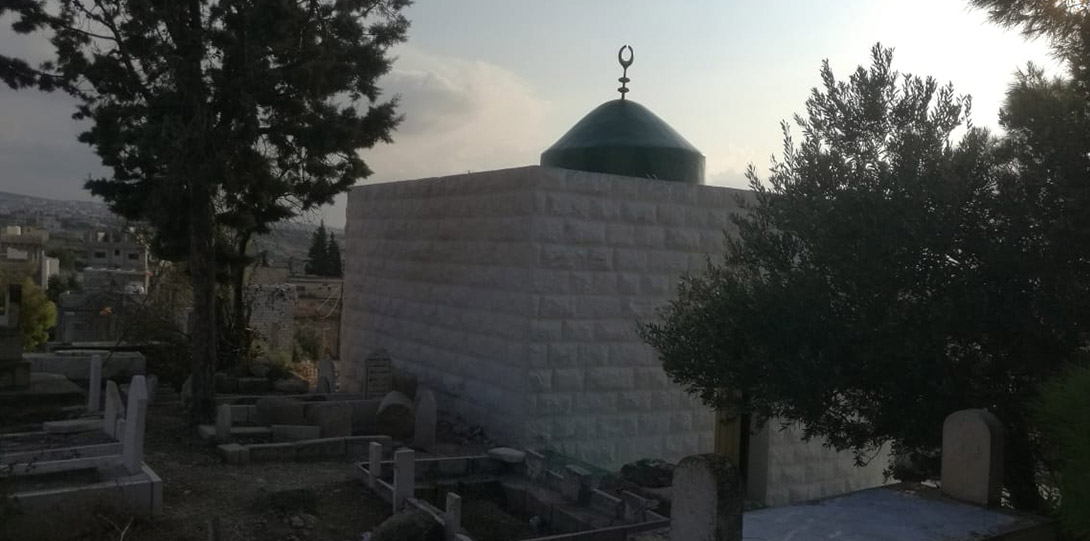
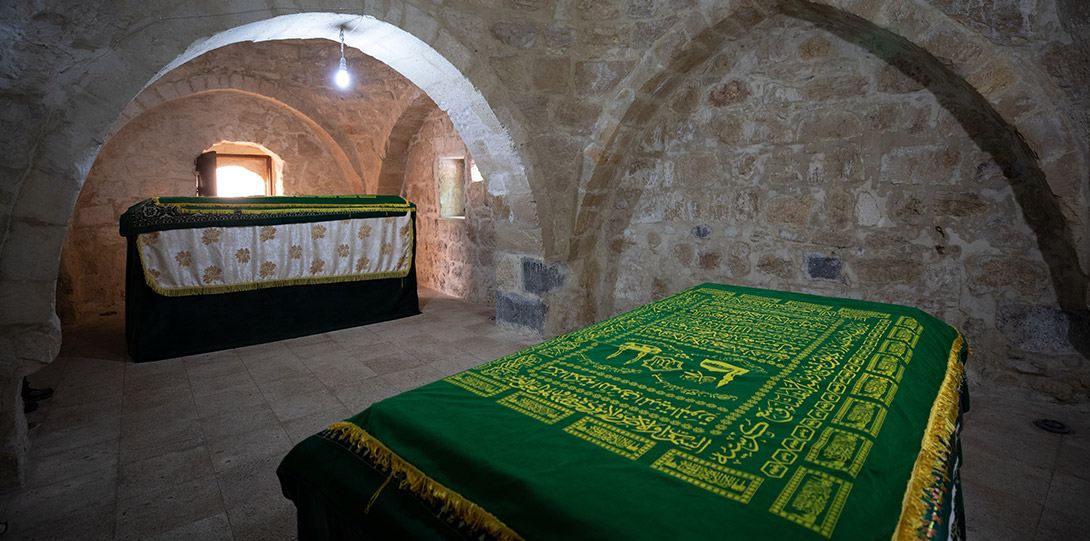
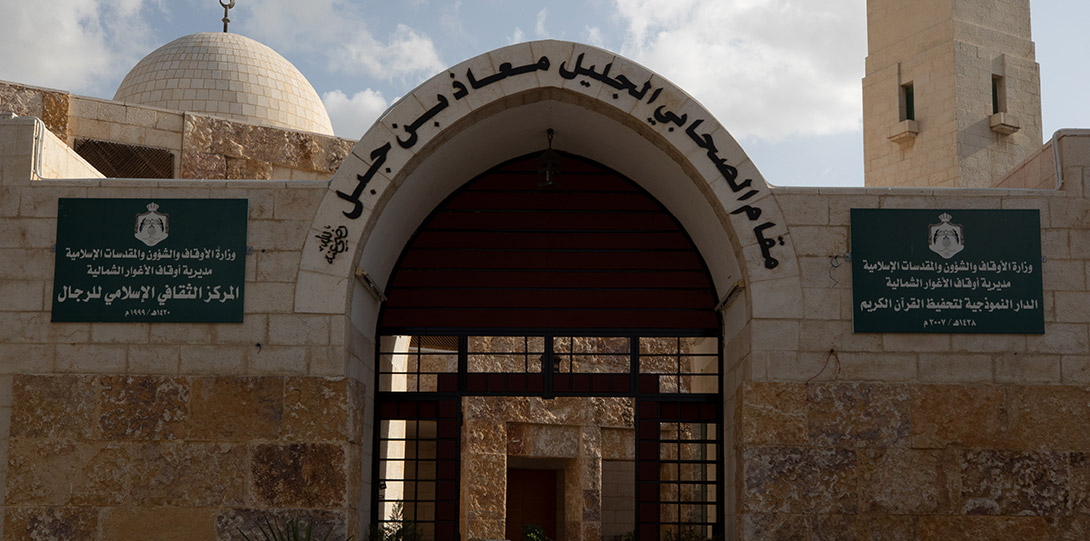
The tomb of the noble companion Muath bin Jabal, may Allah be pleased with him
The noble companion, Sayidina (our master) Muath bin Jabal (may Allah be pleased with him), was a Khazrajite from the Ansar. A prominent scholar, jurist, and reciter of the Quran, he embraced Islam at the age of 18 and participated in the second pledge of Aqaba. He accompanied Prophet Muhammad (peace be upon him) in all battles and was appointed to teach the Quran in Mecca after its conquest. Later, the Prophet sent him to govern Yemen after the Battle of Tabuk. After the death of Prophet Muhammad (peace be upon him), Muadh bin Jabal (RA) participated in the Islamic conquests of the Levant. He passed away in Jordan during the Plague of Amwas in the year 18 AH, near the location of Abu Obaidah (RA). When Prophet Muhammad (peace be upon him) conquered Mecca in Ramadan of the 8th year of Hijra, he appointed Ittab bin Usayd to lead the prayers and Muadh bin Jabal to teach the Quran and educate the people about their religion. Later, in the spring of the 9th year of Hijra, the Prophet sent Muath to govern parts of Yemen. After the Prophet’s death, Muadh went to the Levant, participated in the Islamic conquest there, and participated in the Battle of Yarmouk. Muhammad bin Kaab al-Qurathi mentioned the reason for Muath bin Jabal's departure to Syria: "Five of the Ansar compiled the Quran during the time of Prophet Muhammad (peace be upon him): Muath, Obadah, Ubayy, Abu Ayyub, and Abu Dardaa." When Abu Obaidah bin al-Jarrah, a leader of the army in Syria, contracted the plague of Amwas, he appointed Muath bin Jabal as his successor. Muath's wives and children died, and then he passed away from the same plague, reportedly at the age of 38, in 18 AH. Muath was tall, with a pleasant face, large eyes, a fair complexion, and a slight limp. May Allah be pleased with him.
About the Site
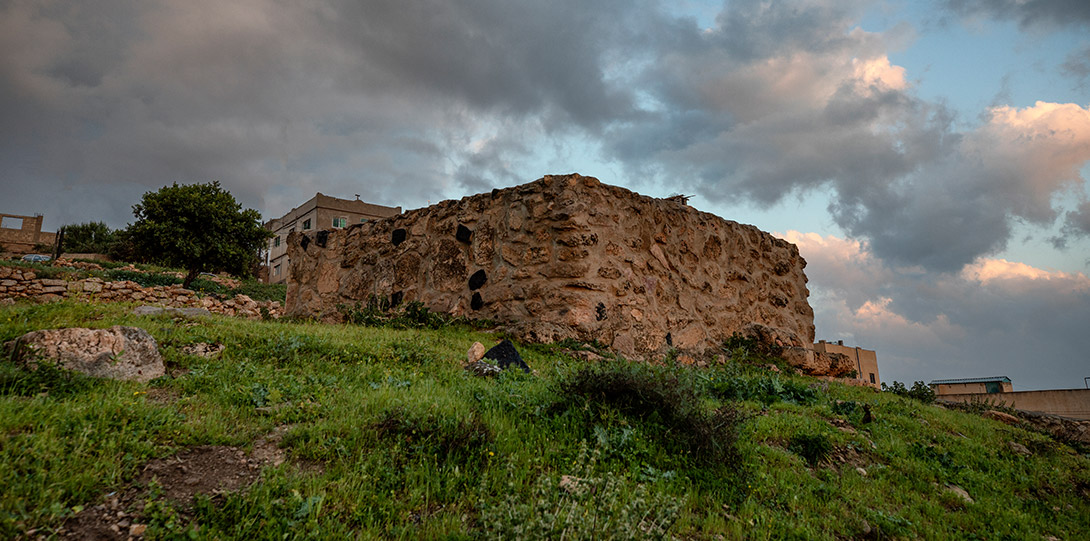
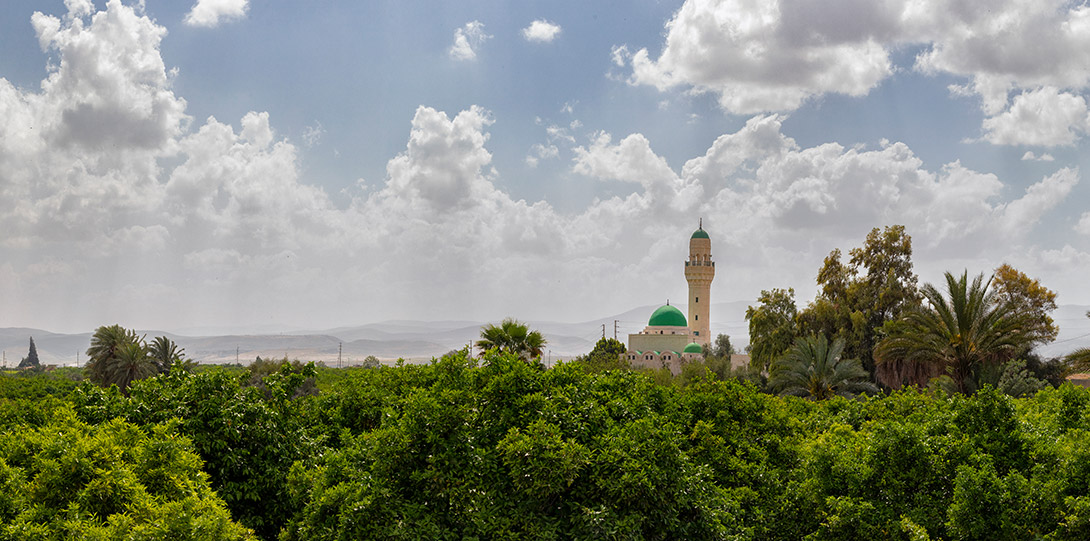
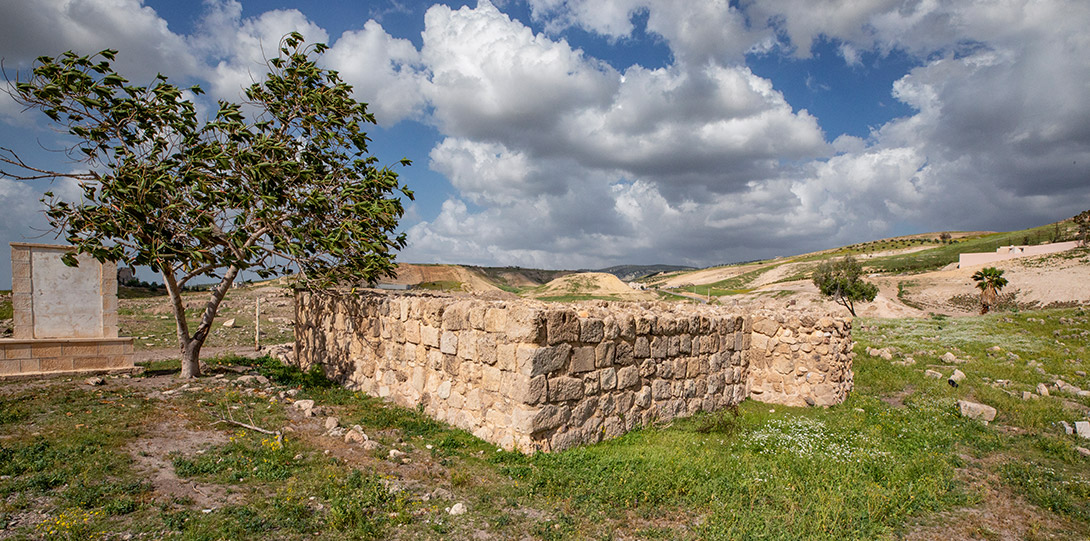
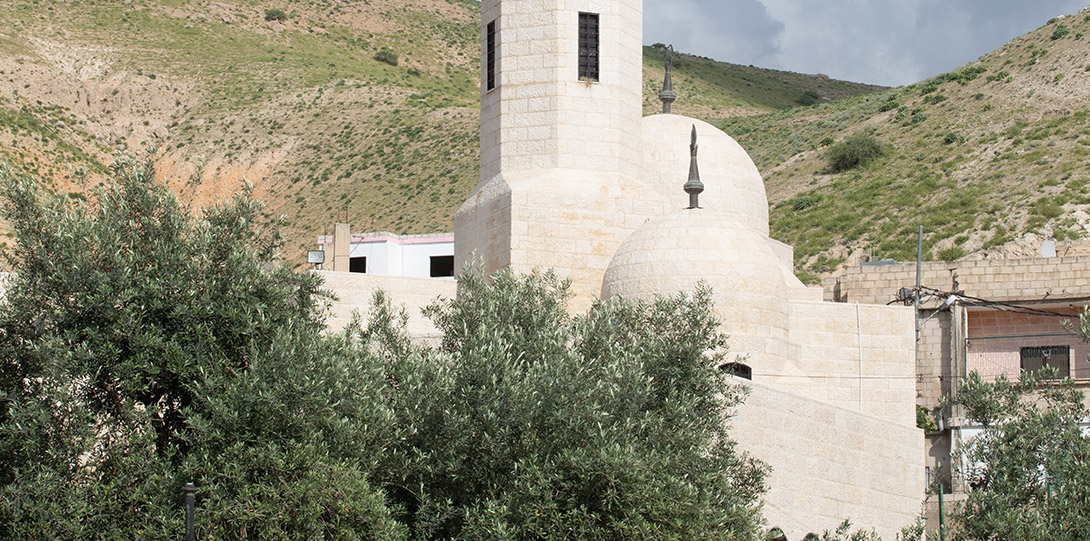
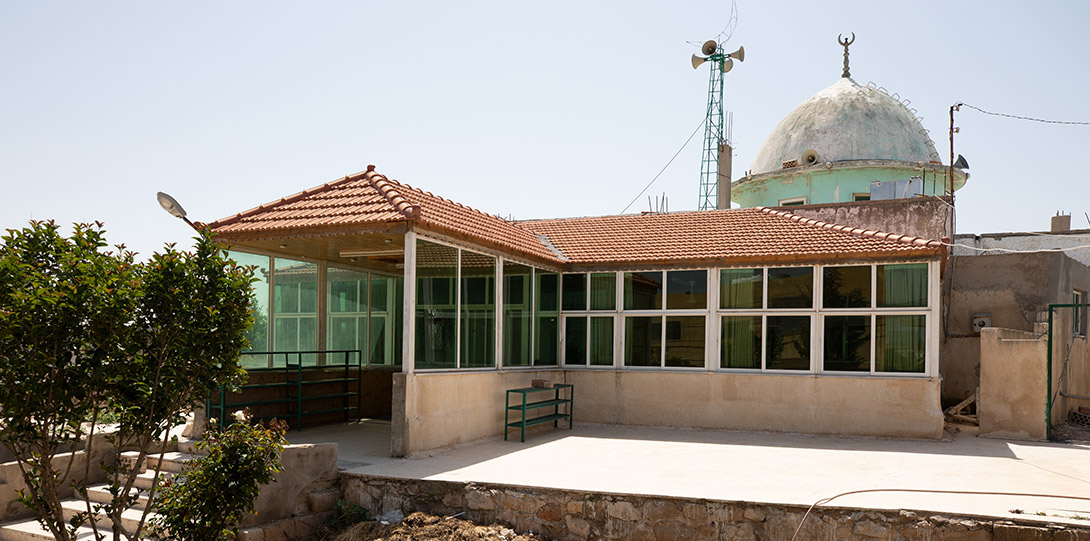
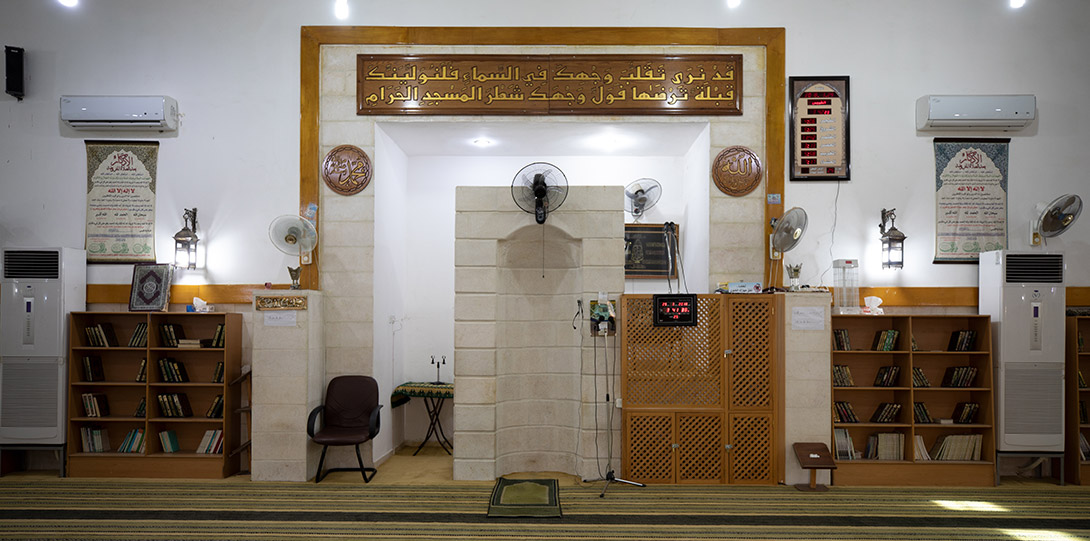
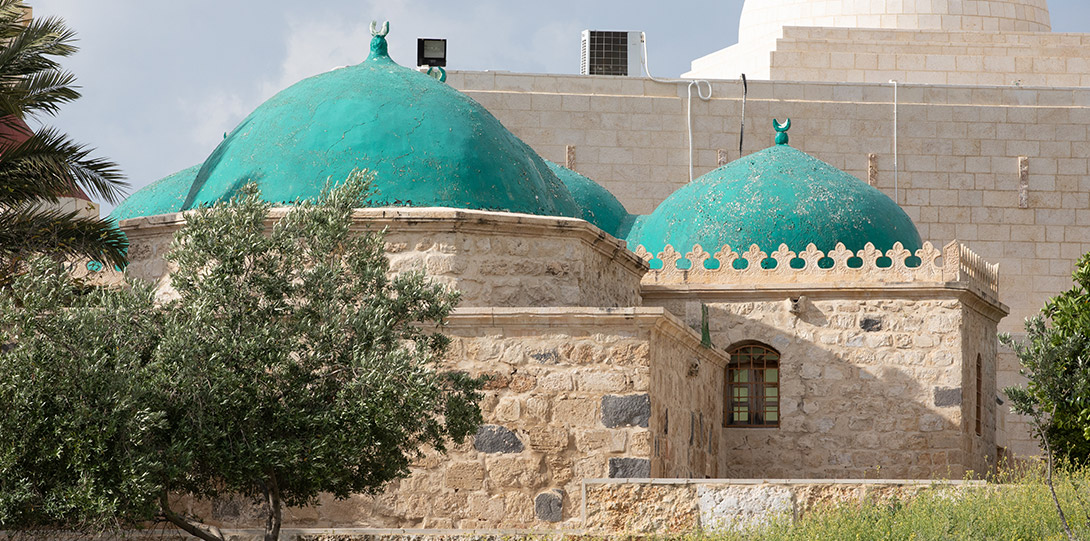
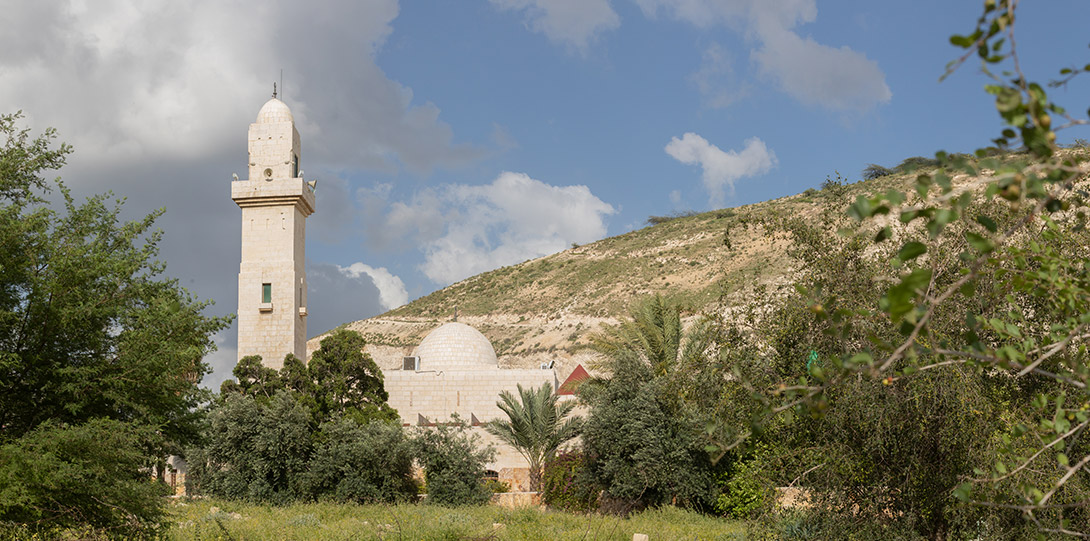
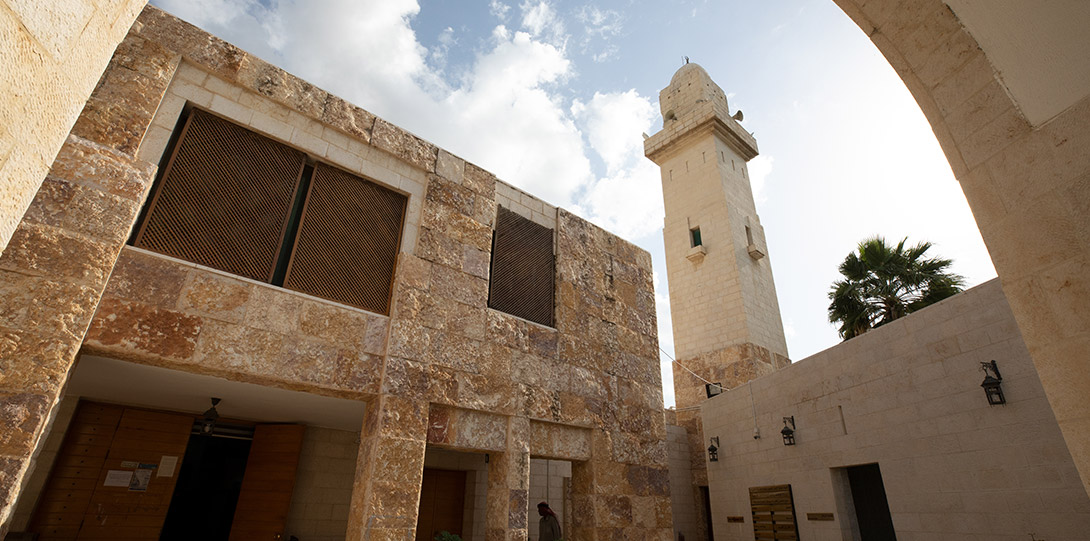
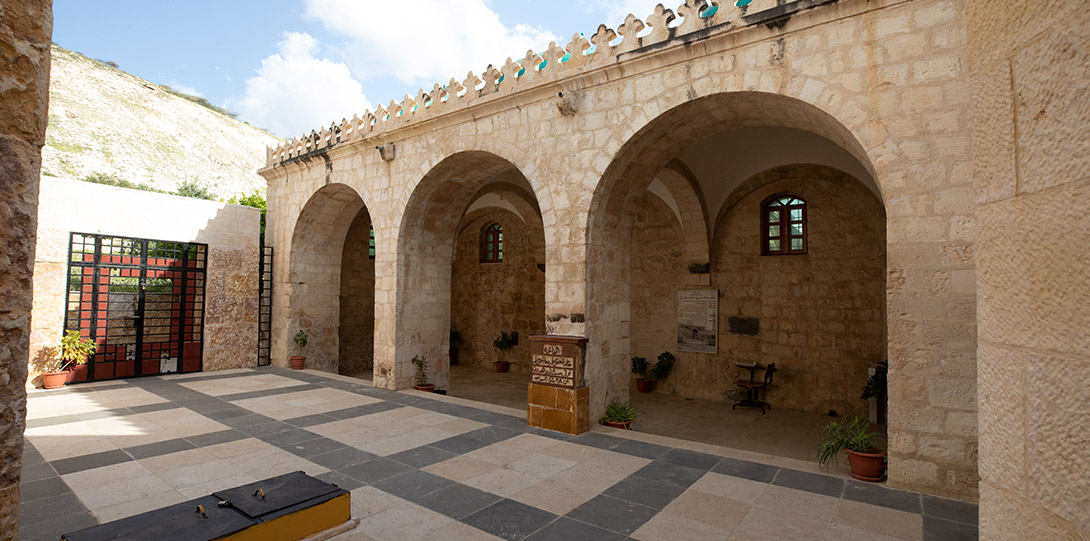
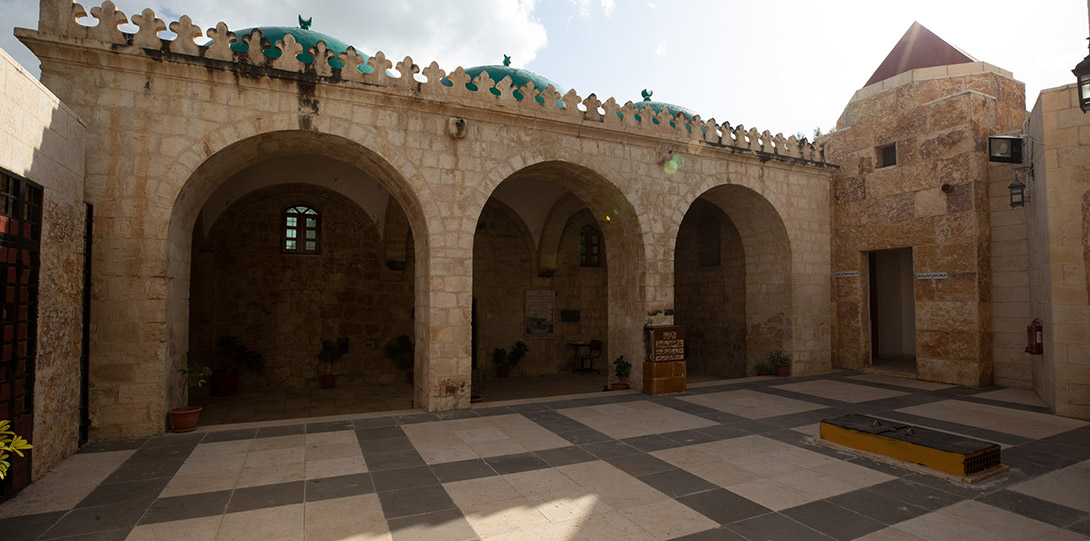
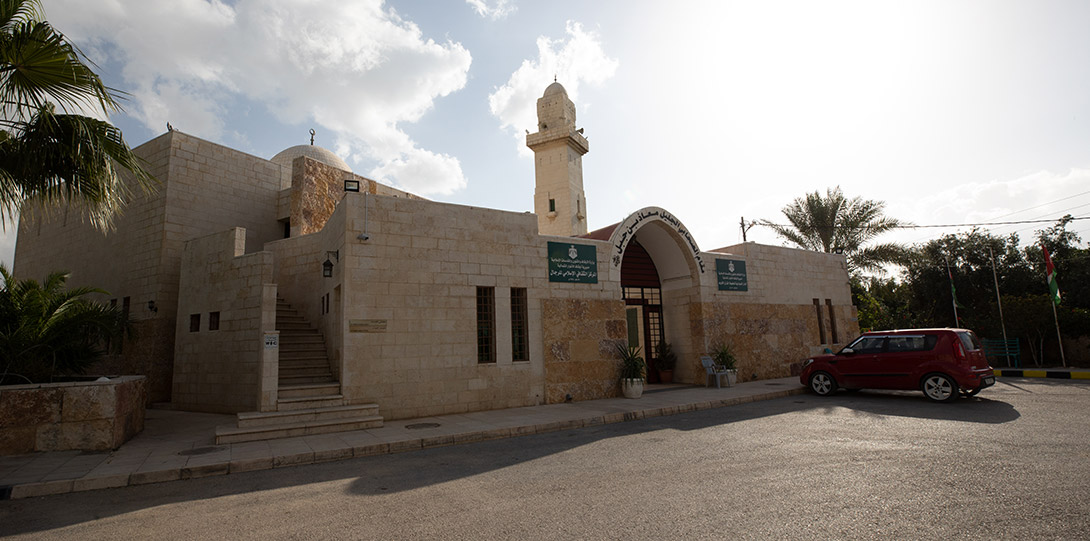
The mosque is located in the northern town of Al-Shouna, about 95 km from the capital, Amman. The preservation and restoration of the old structure were carefully maintained due to its distinctive heritage and architectural value. The site was developed with the addition of a new mosque building in Islamic architectural style, featuring separate prayer halls for men and women, with an open courtyard separating it from the old building to the north. Additional facilities include a Quran house, offices, a library, and external works.
Visit Information
Working Hours
From (8:30) am to (7) pmLocation
Northern Shouneh - Irbid