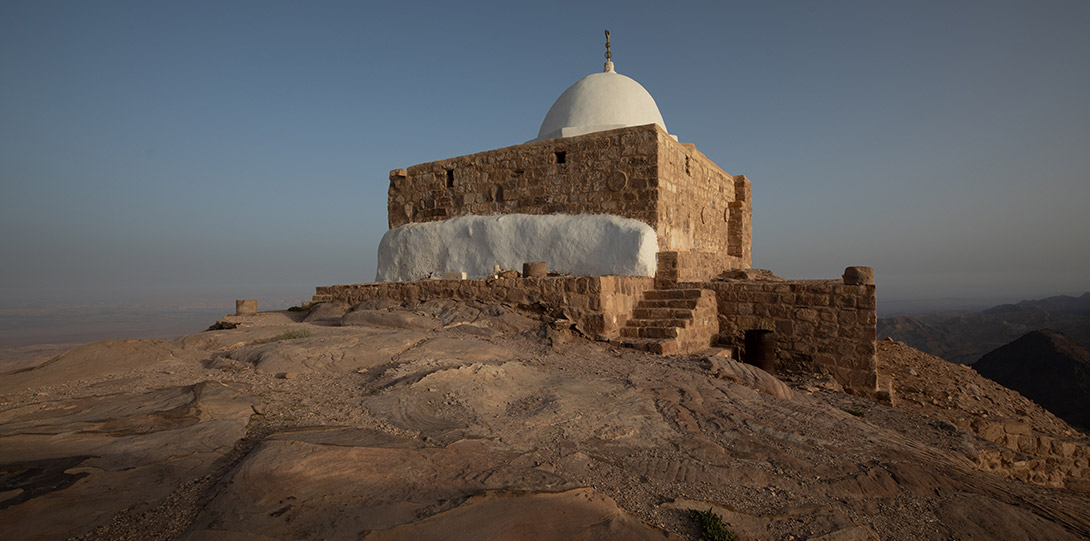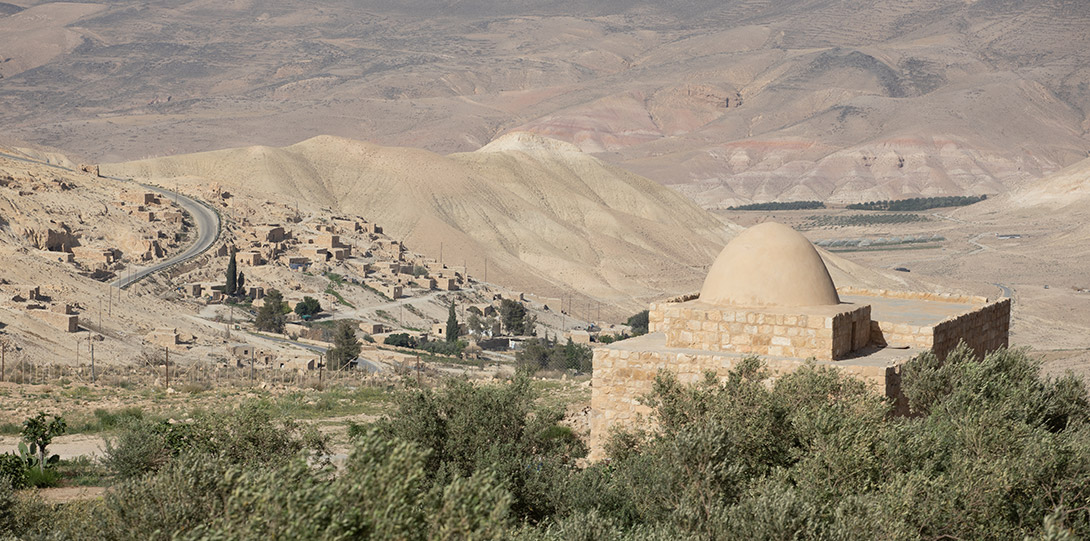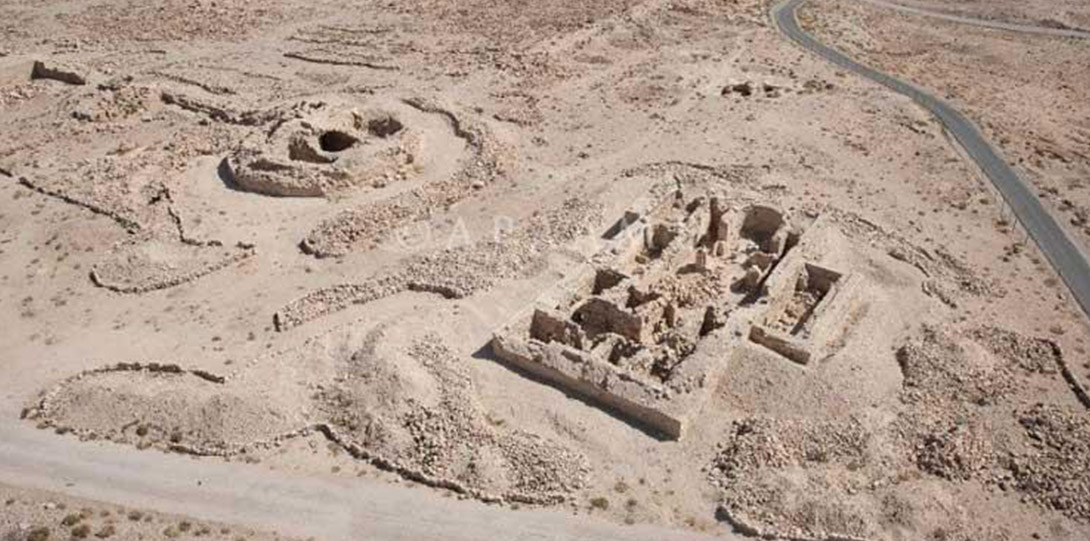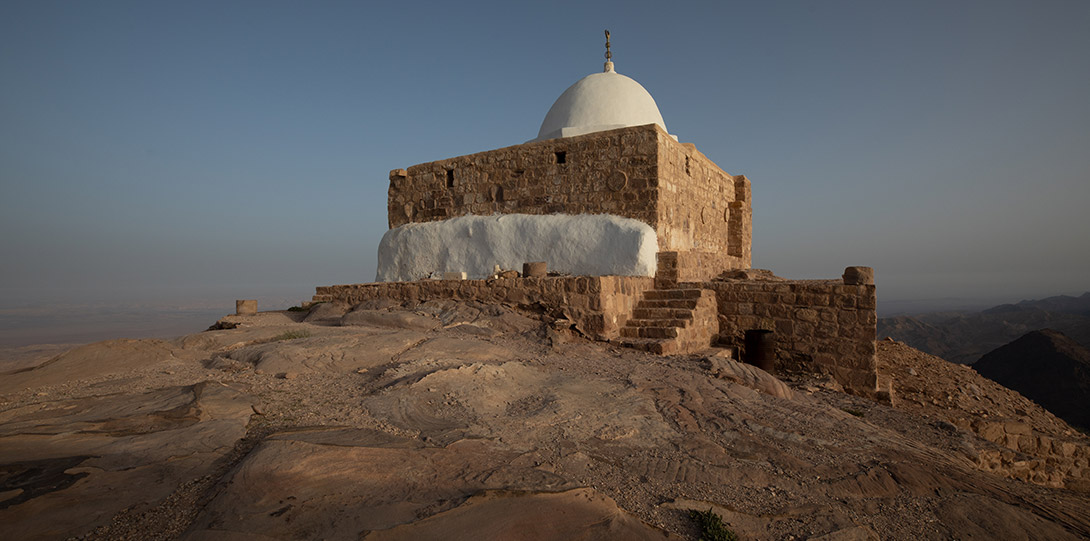
The location of the Islamic village of Humaymah
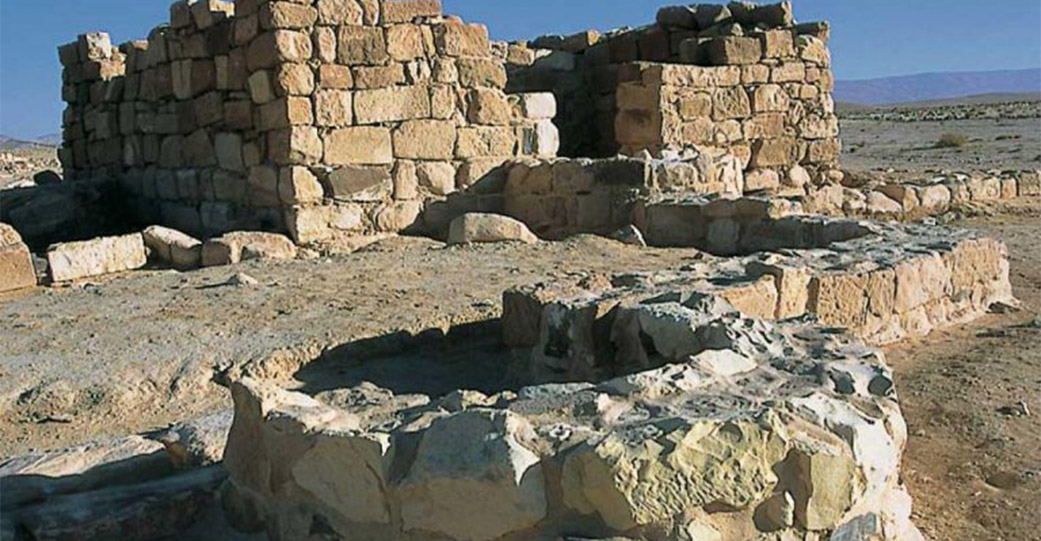
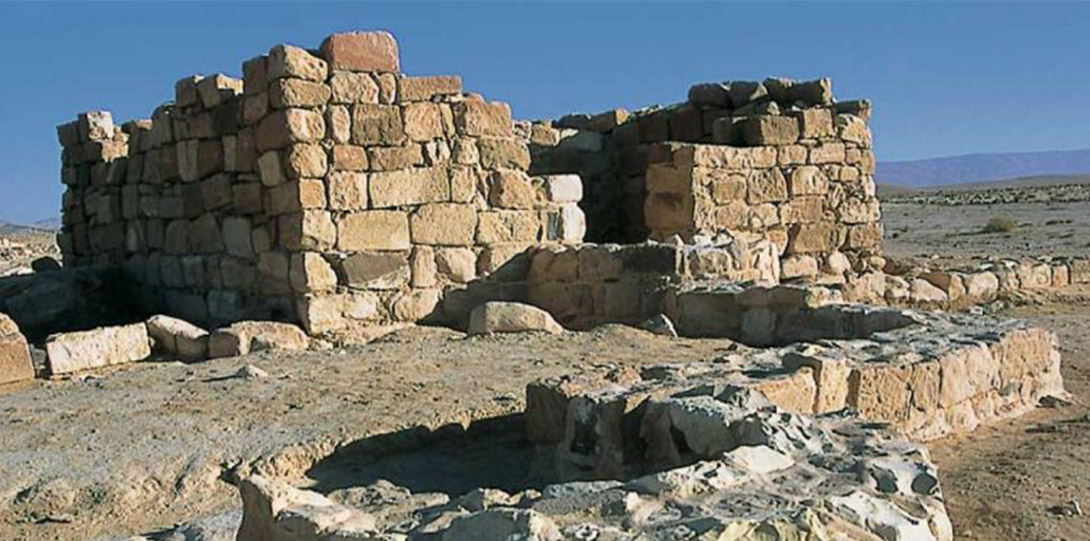
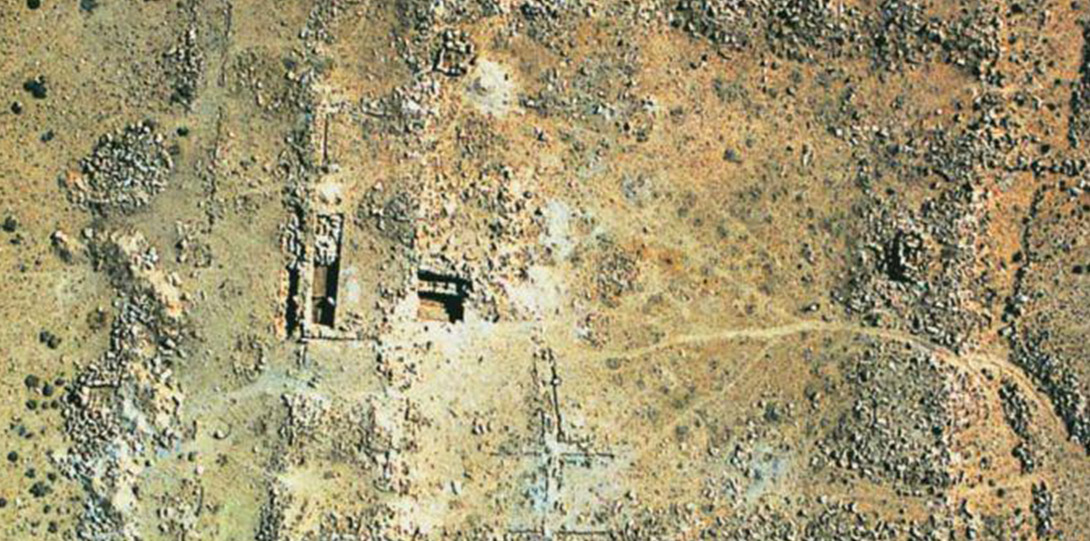
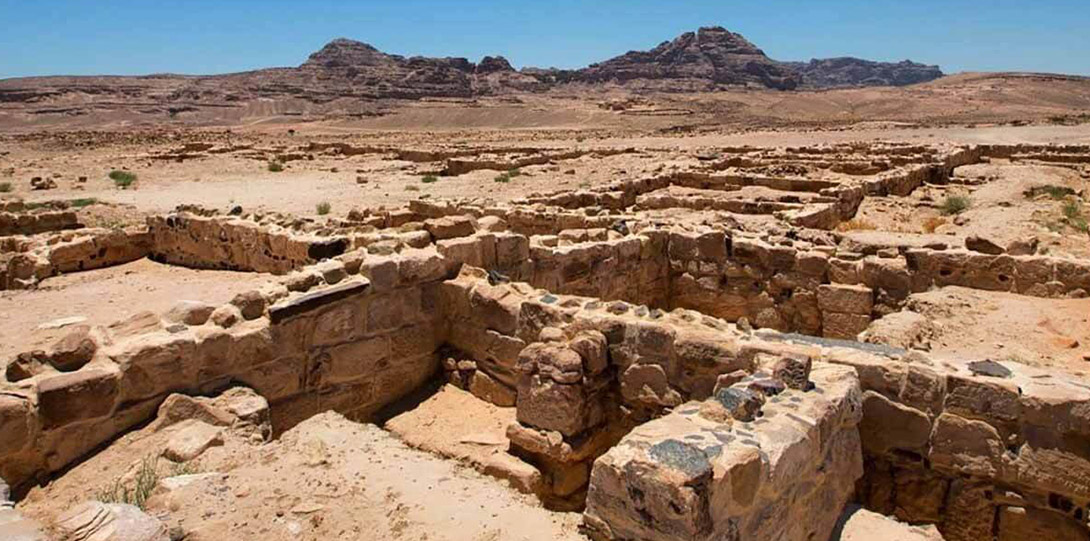
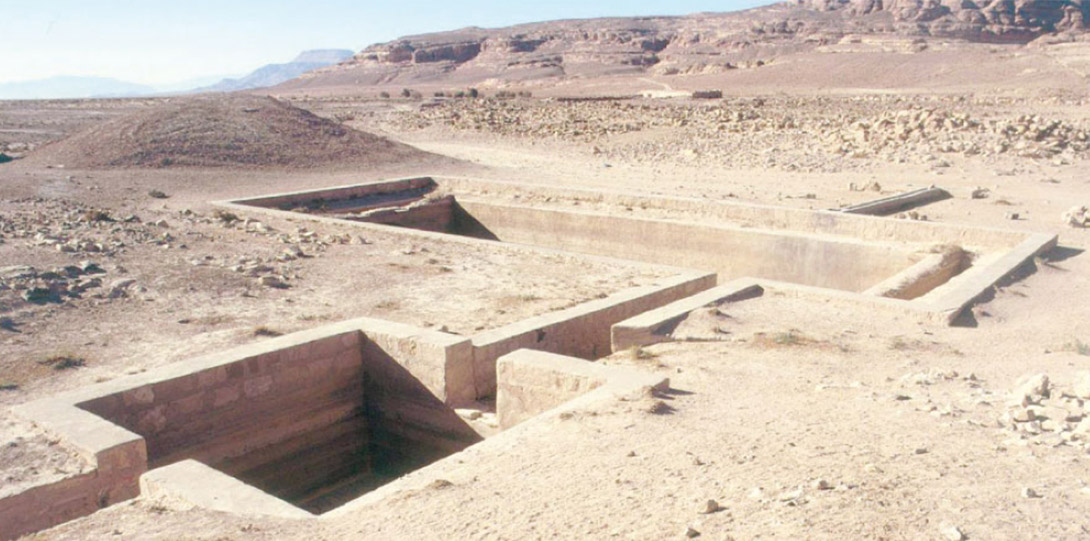
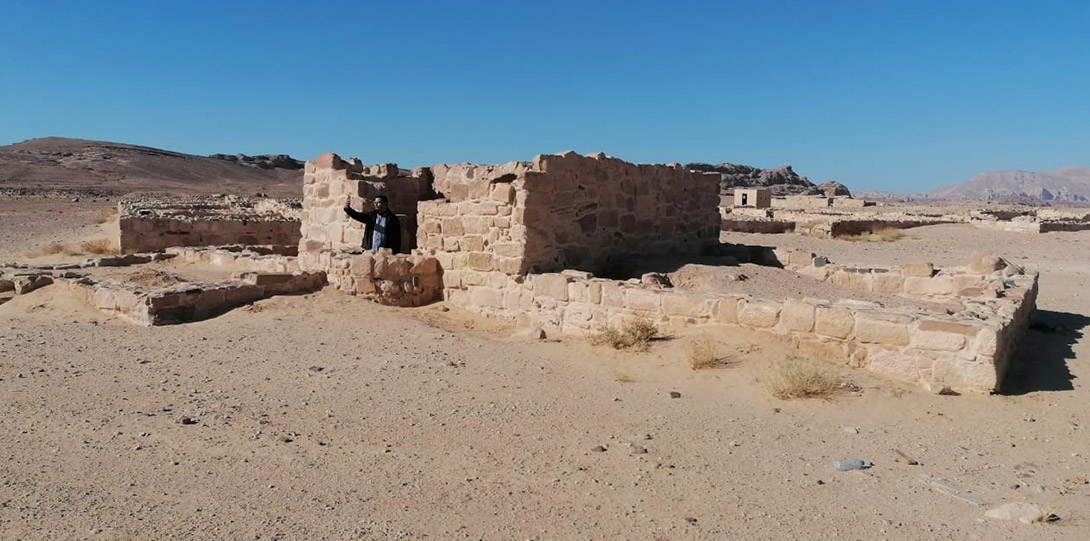
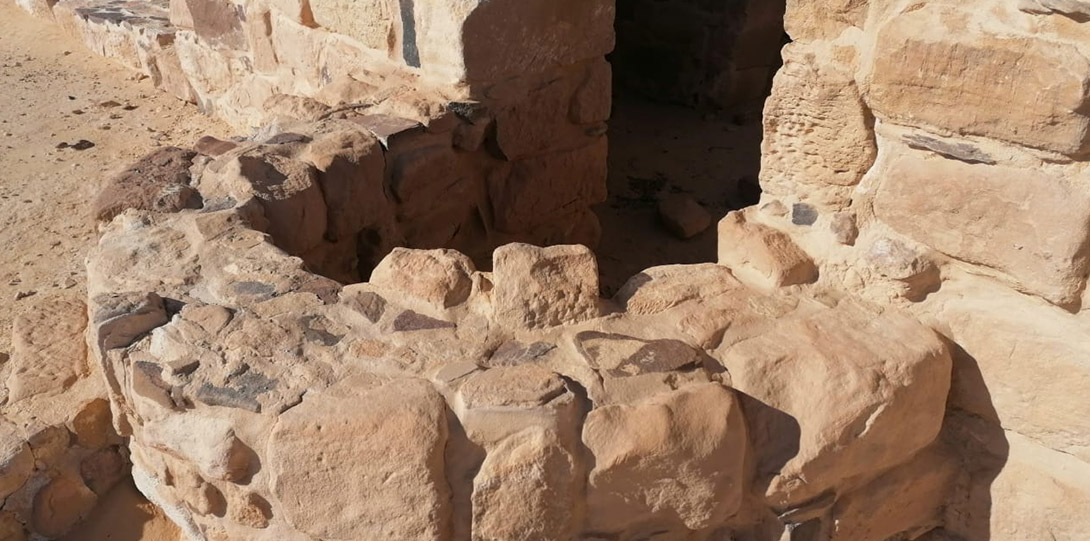
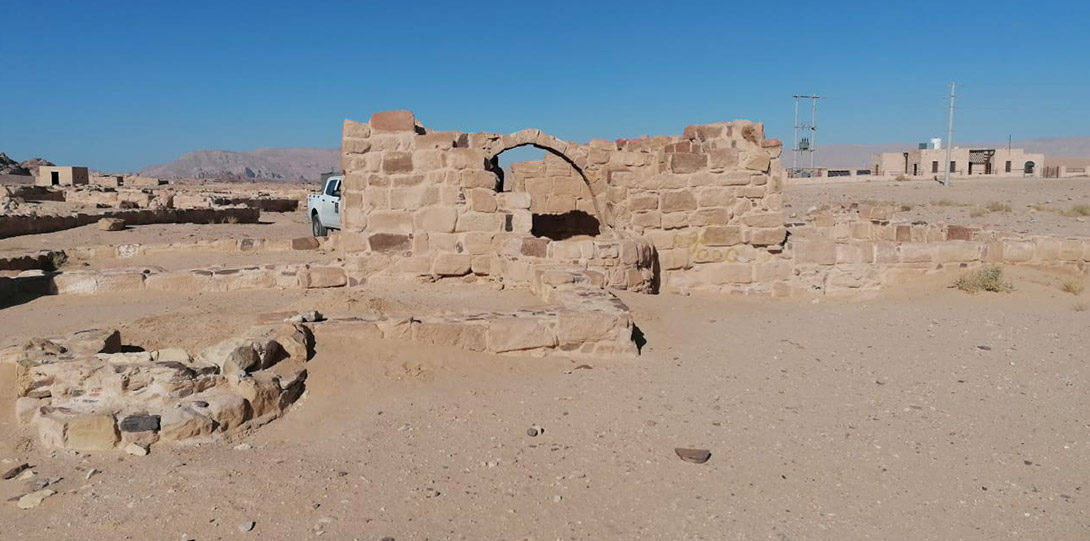
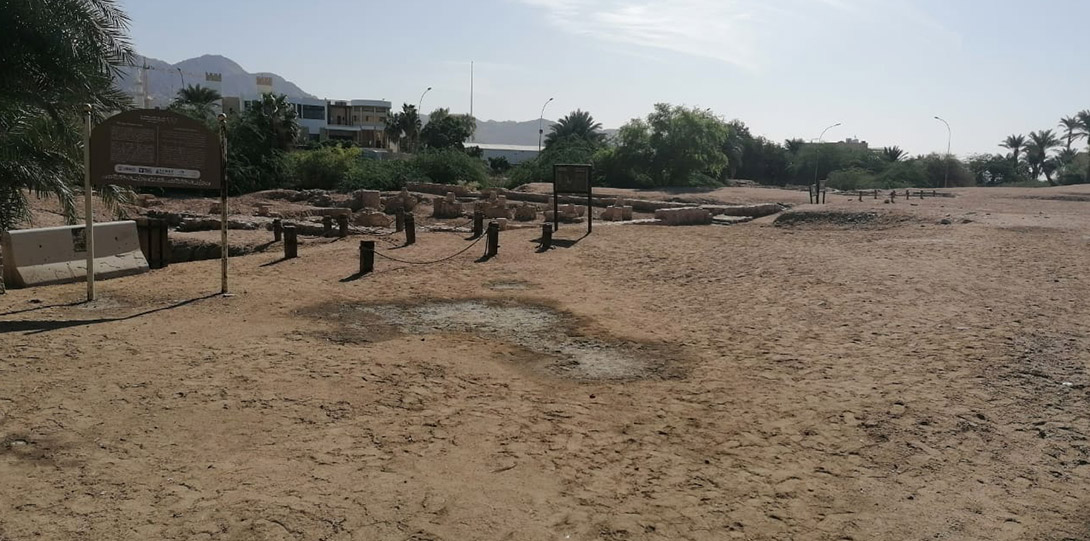
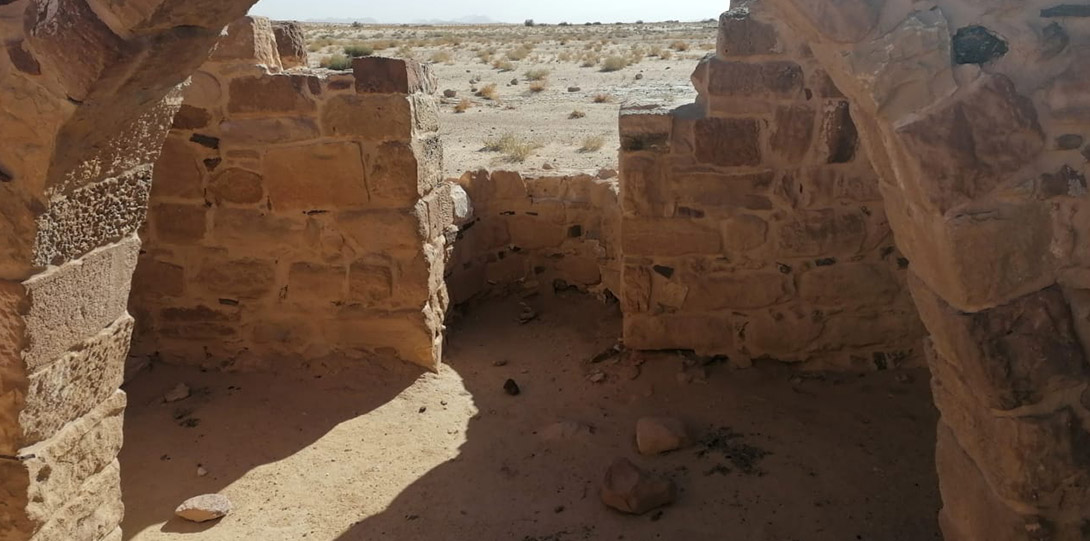
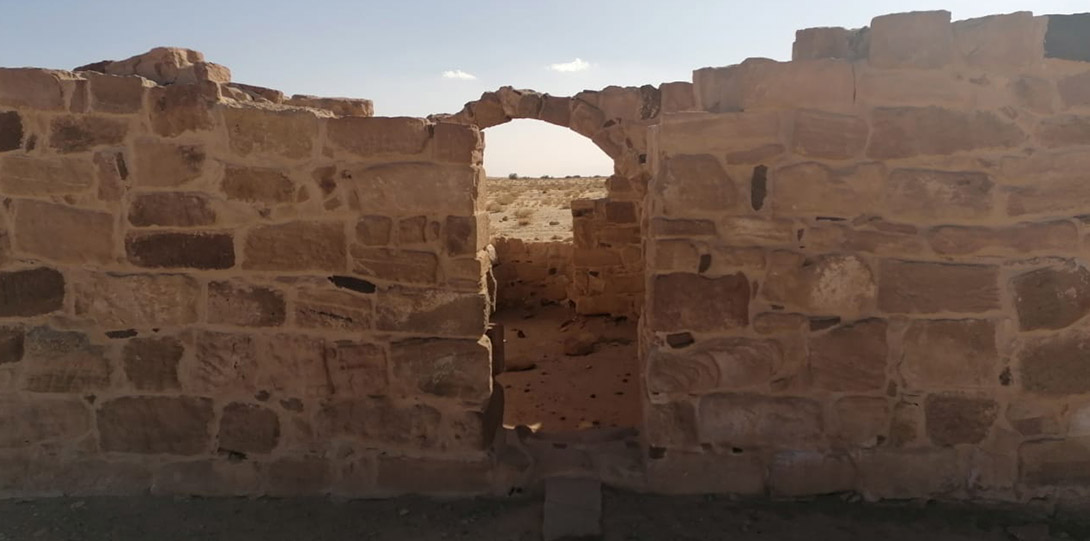
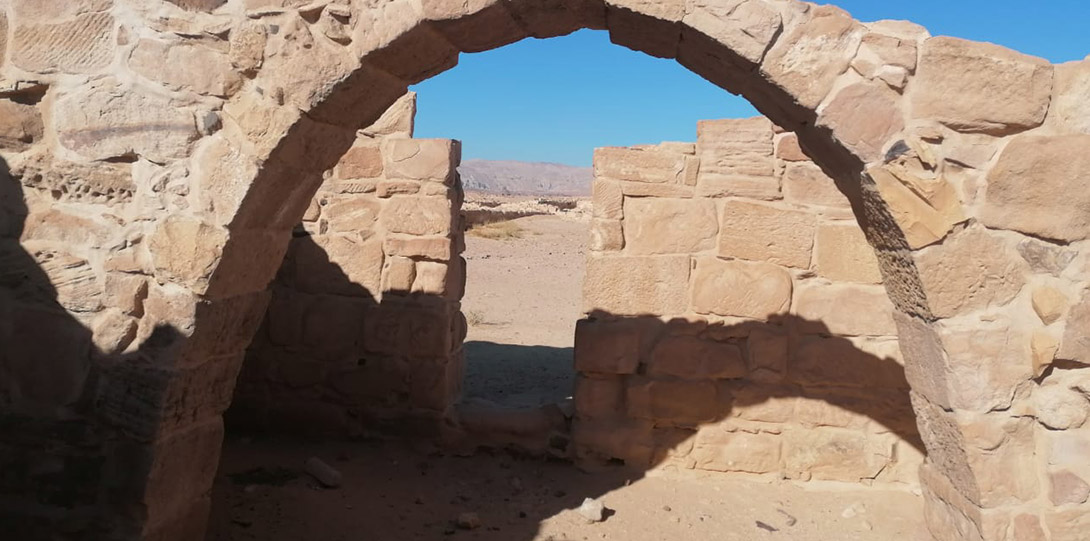
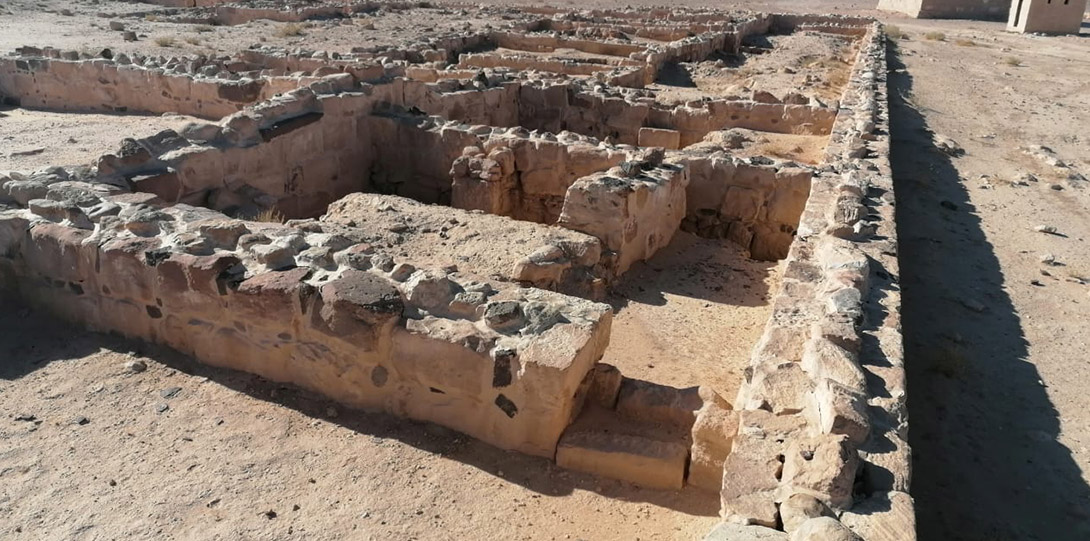
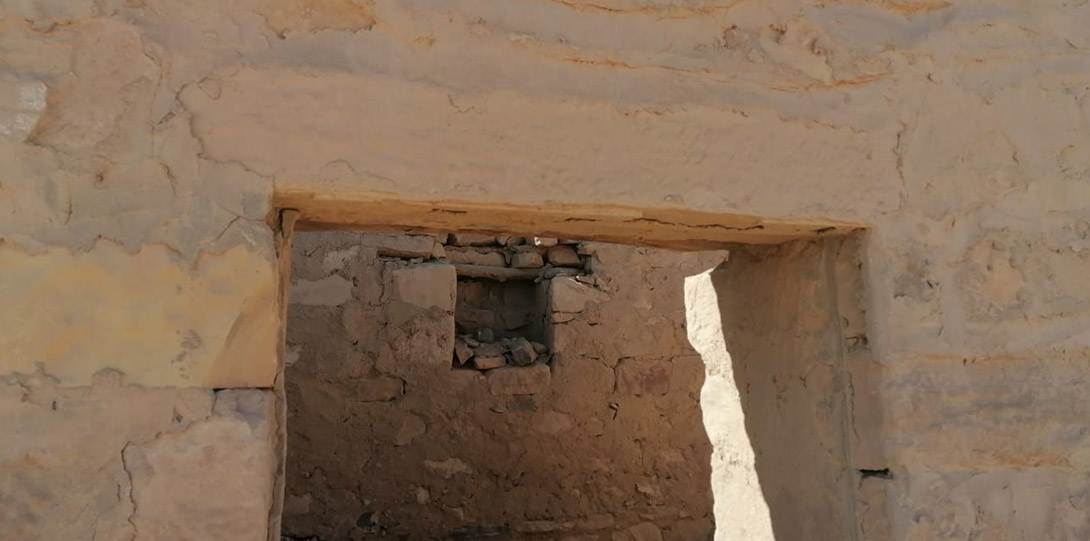
Al Humaymah (the stronghold and residence of the Abbasids before the establishment of their state and before their revolution against the Umayyads) was formerly known as Huwara (Awwara). It is now a village in Jordan located on the southwestern slopes of the Shara Mountains, near the town of Al Qweira in the Maan Governorate, about 100 km northeast of Aqaba and 300 km south of the capital, Amman. The annual average rainfall in the area is 80 mm, making it a good example of adaptation to and living in a dry desert environment. The region is famous for being the stronghold of the Abbasid movement and the starting point for the establishment of their state. Al Humaymah was the residence of the Abbasid family before the launch of their revolution against the Umayyads. The artifacts and discoveries found during the archaeological excavations confirm that the construction dates back to the Umayyad period. The earliest settlement in Al Humaymah was recorded during the Nabatean period in the 1st century AD, and it consisted of both an agricultural settlement and a commercial one. The royal road was connected to Al Humaymah by a branch road, located on a fertile plain with red soil suitable for agriculture. Al Humaymah contains the first canal dug in the East Jordan region, which was supplied by the "Jamam" spring originating from "Raas al Naqab." This water was transported through channels, sometimes carved into rock and sometimes made of clay, extending for about 13 kilometers. It is said that the total length of the water channels is about 26 kilometers, and they were used to supply water to the people of Al Humaymah through a precise engineering process. A series of large basins were used to collect the water from the canal, along with a series of smaller basins that served to filter and purify the water for drinking. Historically, Al Humaymah was connected to the royal trade route established by the Thamudic leader "Meshach" in 850 BC, starting from the Levant and ending in "Ayla" (currently Aqaba). It was paved during the Nabatean and Roman periods to allow carts drawn by horses to pass. Some traces of these carts and their paths are still engraved on this road. Al Humaymah's significance increased when it became the residence of the noble companion Ali bin Abdullah bin Abbas, may Allah be pleased with him, after it was granted to him by the Umayyad Caliph Al Walid bin Abd al Malik in 95 AH / 713 AD. He made it his permanent residence and guesthouse, building a palace there. He passed away in Al Humaymah in 125 AH / 743 AD, and his tomb is located there, along with the Abbasid mosque that remains to this day. Many Abbasid caliphs, scholars, and leaders lived in Al Humaymah, some of whom were born there. Bin Saad narrated from Muhammad al Ayshi: "I heard the elders say: The caliphate passed to them, and no one on earth knew the Quran better or was more devoted in worship and asceticism than them in Al Humaymah." Among these revered figures were the noble companion Ali bin Abdullah bin Abbas, Muhammad bin Ali bin Abdullah bin Abbas, Dawood bin Ali bin Abdullah bin Abbas, Suleiman bin Ali bin Abdullah bin Abbas, Abdullah bin Ali bin Abdullah bin Abbas, Abdul Samad bin Ali bin Abdullah bin Abbas, Fatimah bint Ali bin Abdullah bin Abbas, Musa bin Muhammad bin Ali, Ibrahim bin Muhammad bin Ali bin Abdullah bin Abbas, the Caliph Al Saffah Abdullah bin Muhammad bin Ali, Abu Jafar Al Mansur Issa bin Musa bin Muhammad bin Ali, Zaynab bint Prince Suleiman, Muhammad bin Jafar bin Obaid Allah bin Abbas, and Suleiman bin Mujalid bin Abi Mujalid. Ali bin Abdullah bin Abbas had more than twenty sons born in Al Humaymah, most of whom passed away during his lifetime. Among them were Saleh bin Ali, who was born in Al Humaymah; Muhammad bin Ali, who passed away in Al Humaymah in 125 AH, Issa bin Musa bin Muhammad bin Ali, and Jafar bin Suleiman bin Ali. Among the Abbasid caliphs born in Al Humaymah were Abu al Abbas Abdullah bin Muhammad (al Saffah), who was born in Al Humaymah in 104 AH and lived there for 28 years; Abu Jafar Abdullah bin Muhammad (al Mansur), who was born in Al Humaymah in 101 AH and lived there for 31 years; and Abu Abdullah Muhammad bin Abdullah bin Muhammad bin Ali, nicknamed al Mahdi, who was born in Al Humaymah in 126 AH and lived there for six years. With them in Al Humaymah were Dawood bin Ali, Yahya bin Jafar bin Tamam bin Abbas, and a group of their supporters. From this strategic location, which was a passage for the caravans of pilgrims and traders, the Abbasids began sending their emissaries to neighboring regions and preparing for the overthrow of the Umayyad regime, which they succeeded in doing in 132 AH / 749. It is worth noting that both caliphs, Abu al Abbas al Saffah (who ruled from 132 to 136 AH / 749 to 754) and Abu Jafar al Mansur (who ruled from 136 to 158 AH / 754 to 775), were born and raised in Al Humaymah before moving to Iraq.
About the Site
The Islamic village of Al Humaymah is located in Al-Quwairah - Maan Governorate.
Visit Information
Working Hours
OpenLocation
Al Quwairah - Maan