Complex of Ahl al-Kahf Cave Site - Al-Ruqaym/ Abu Allanda
The People of the Cave are the young believers mentioned in the Quran. They lived after the time of Prophet Issa (Jesus) (peace be upon him) and before the advent of Prophet Muhammad (peace be upon him). They were the ones who fled with their faith from the Roman emperor during the Byzantine era and made the cave a refuge and sanctuary from the eyes of people. Allah made them sleep in the cave for 309 years by His power. It was speculated that there were seven in number, and the eighth was their dog.
About the Site
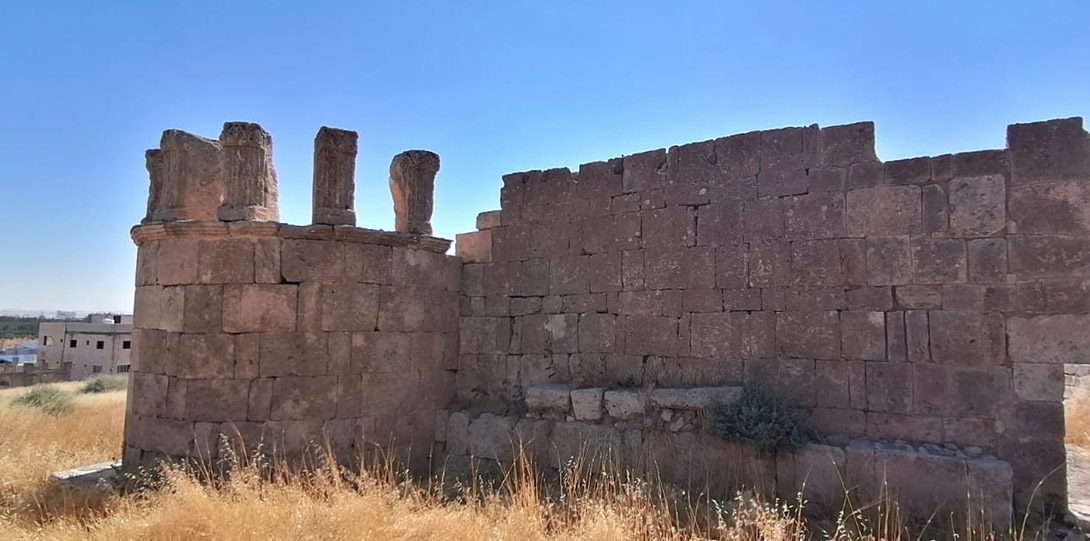
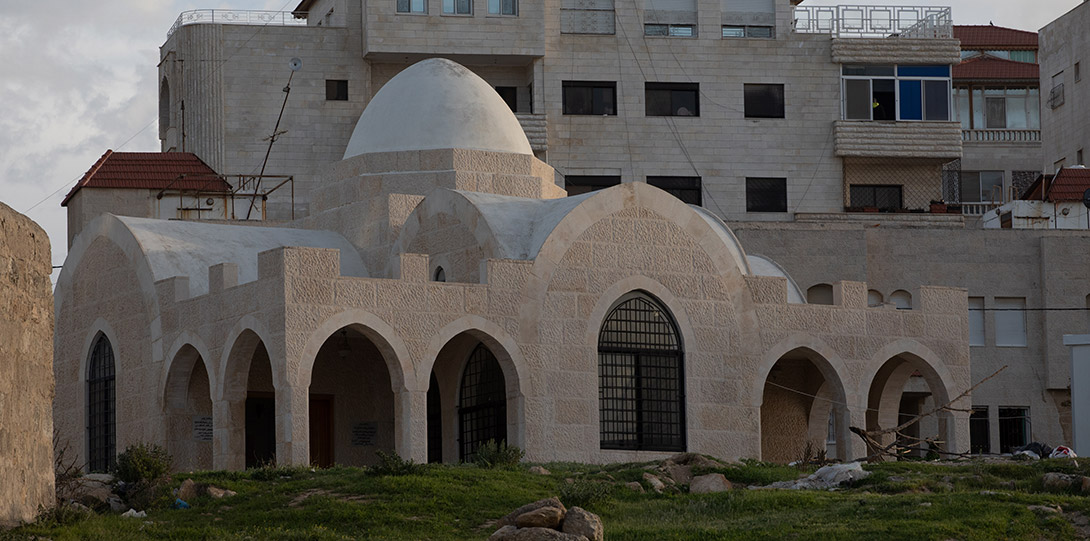
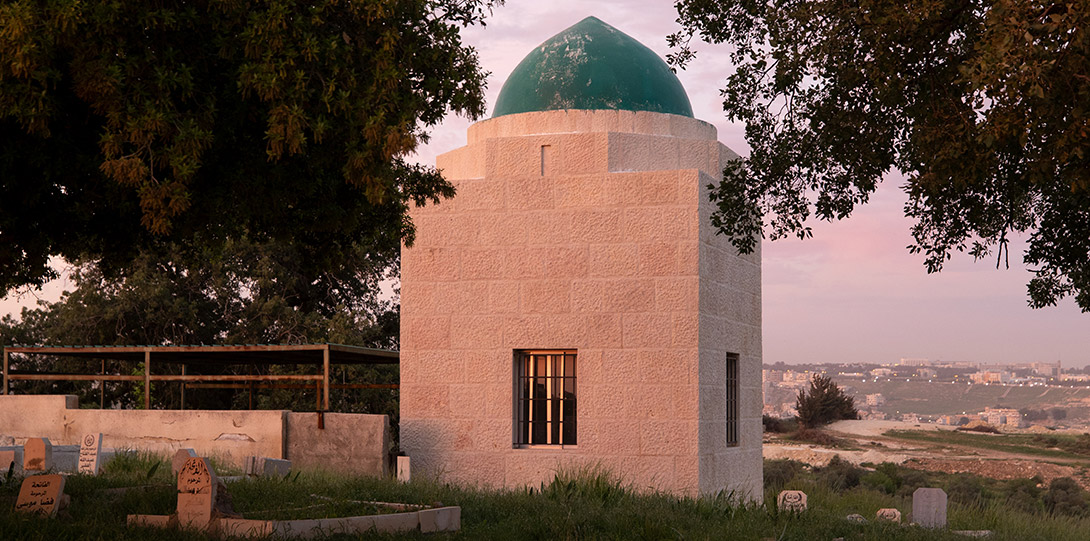
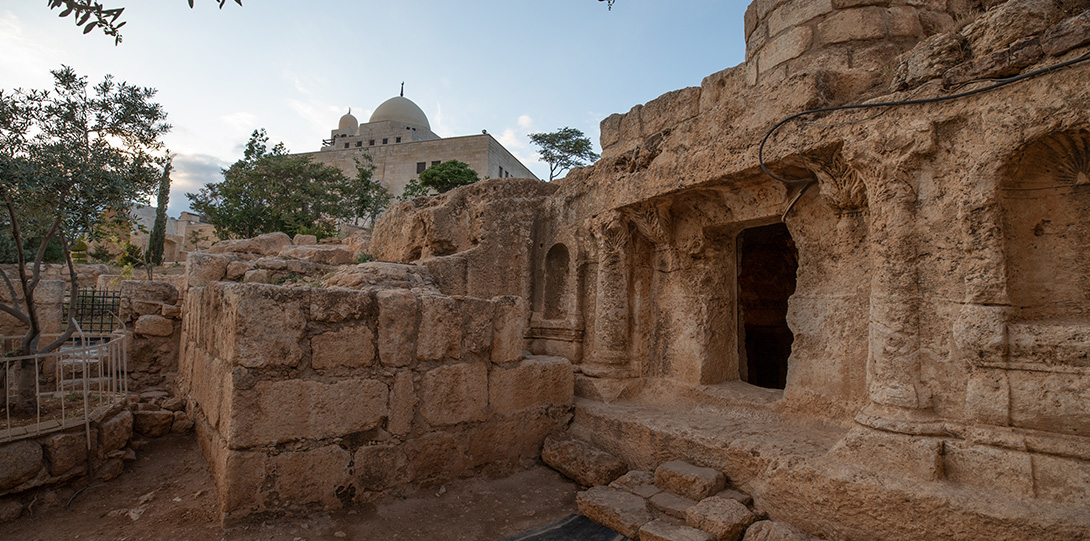
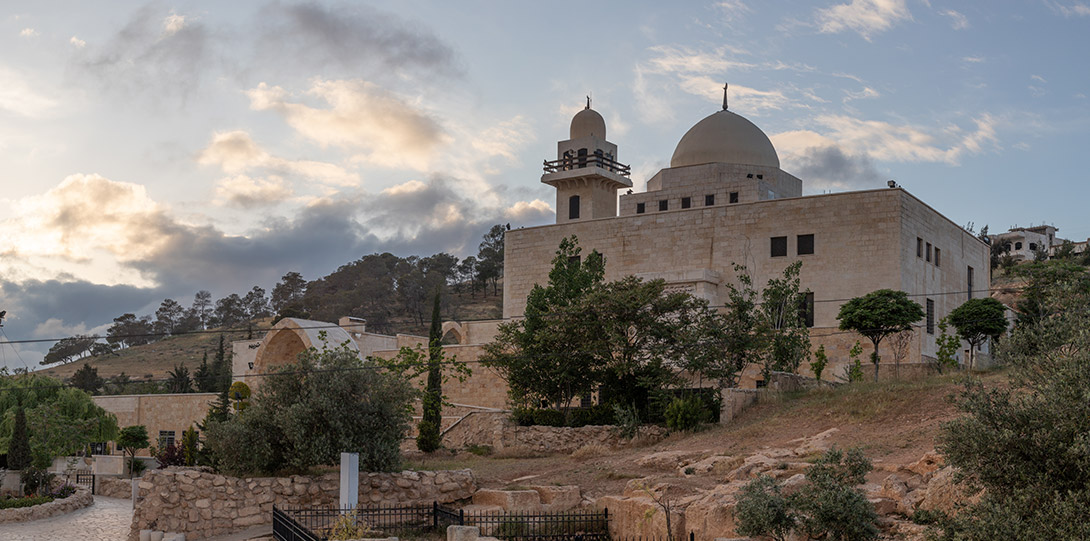
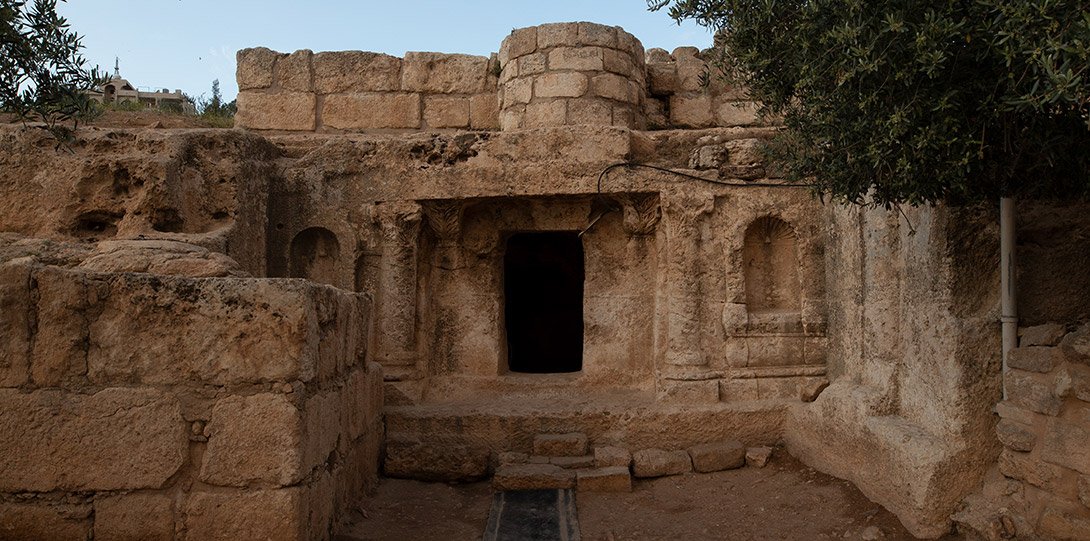
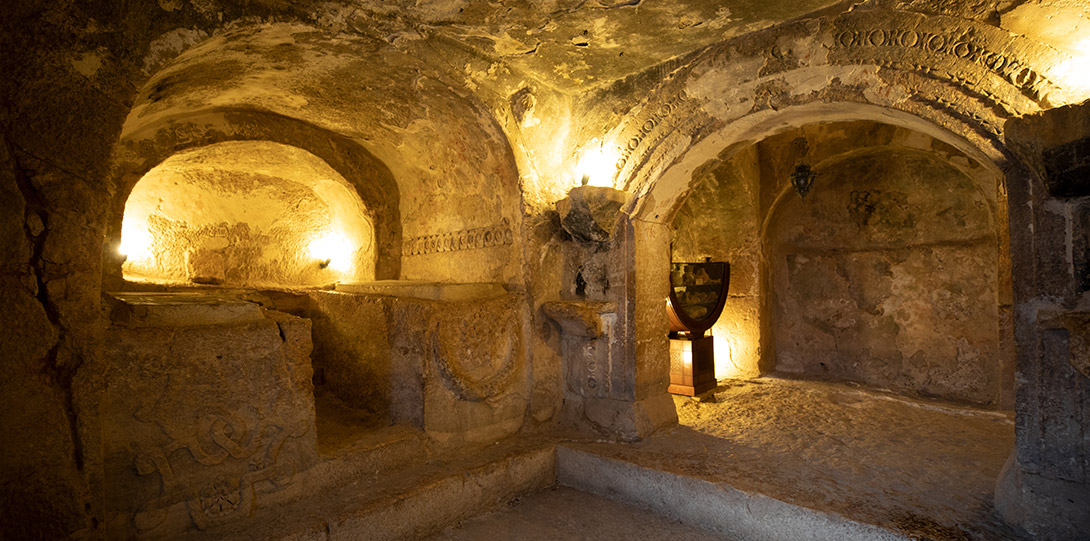
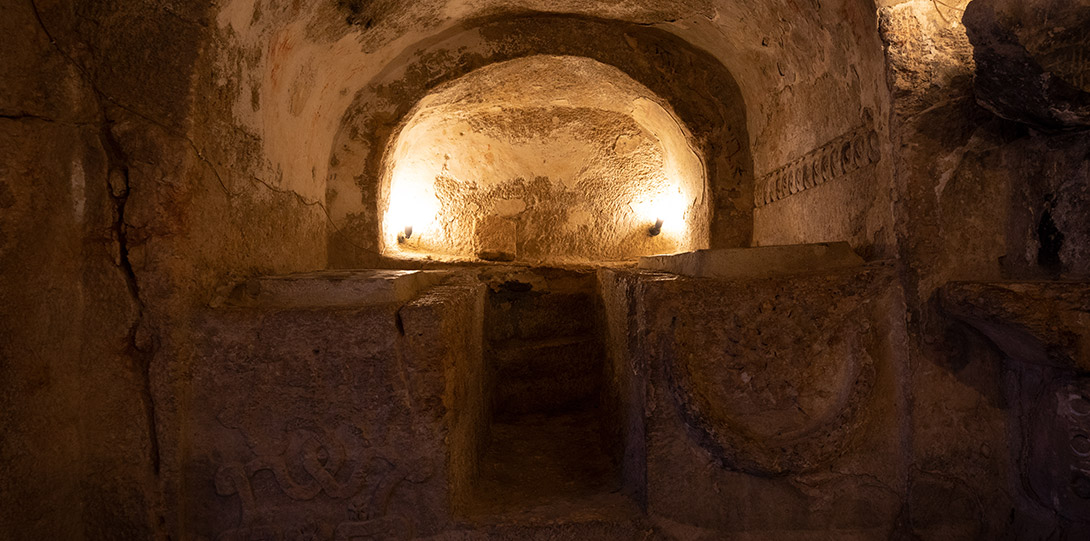
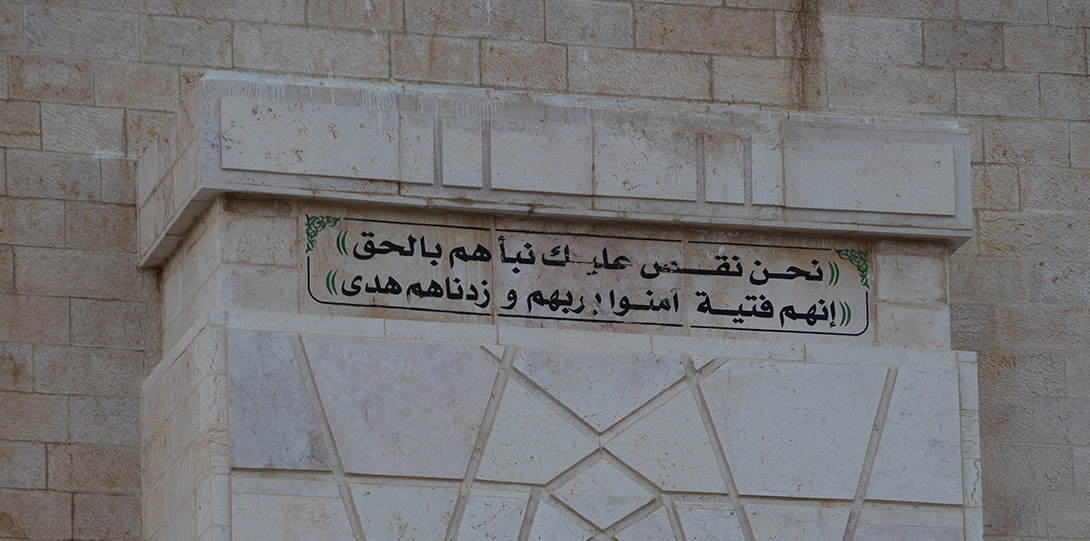
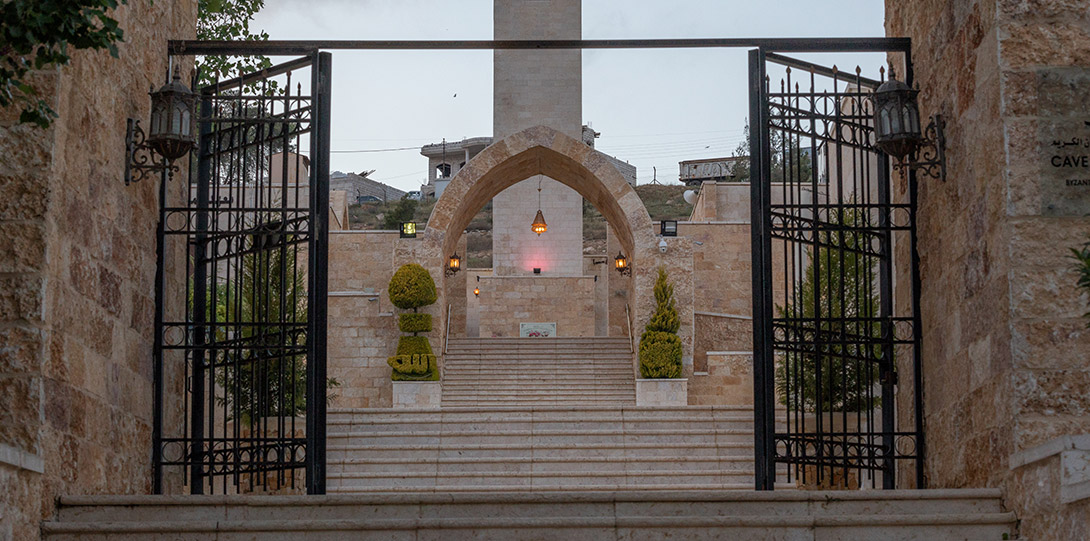
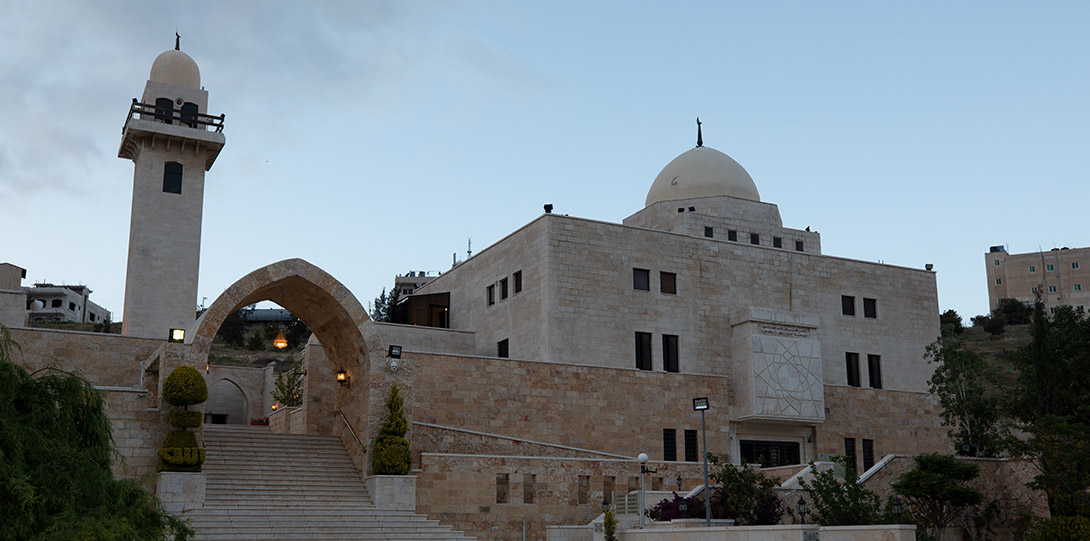
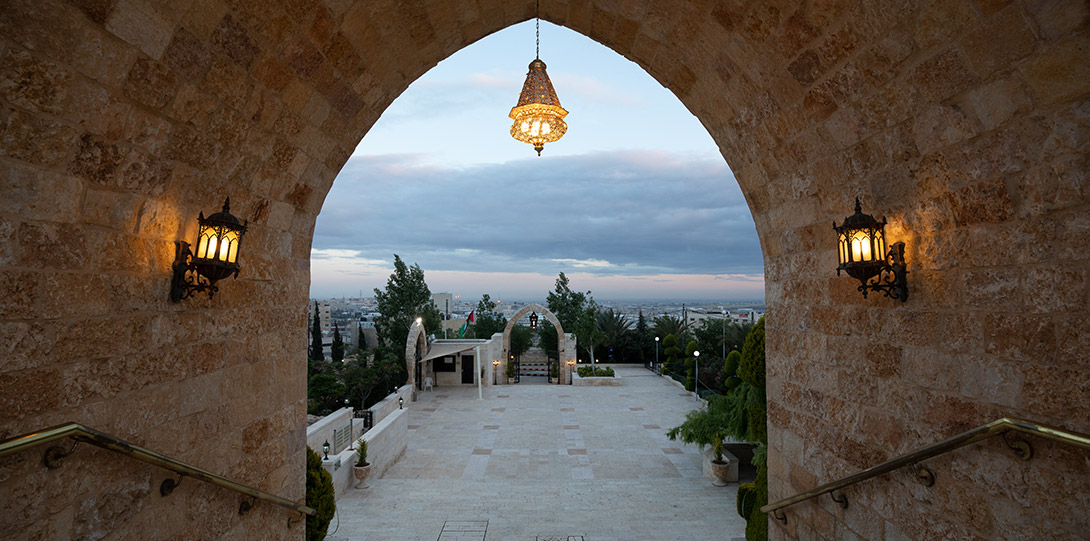
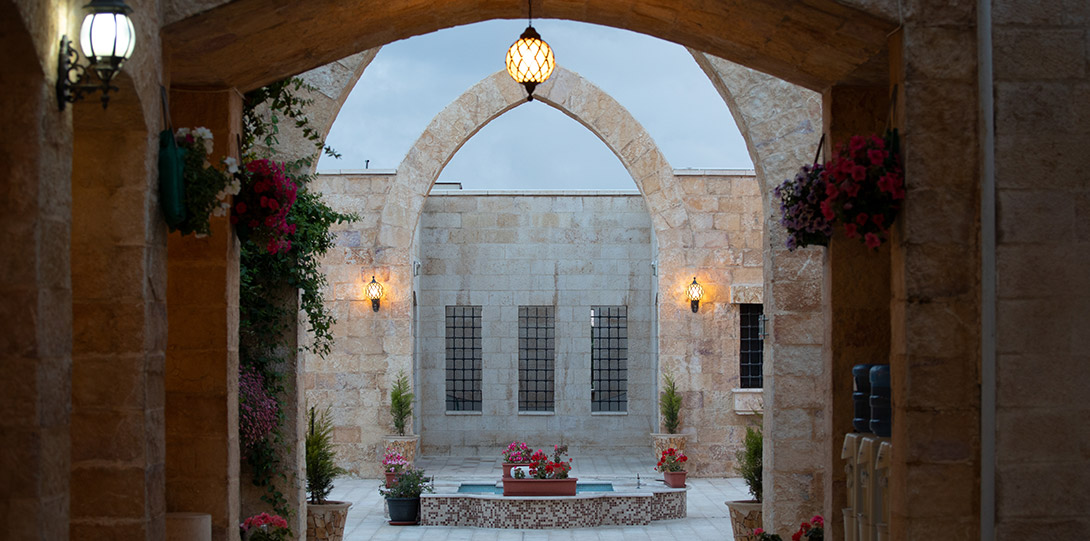
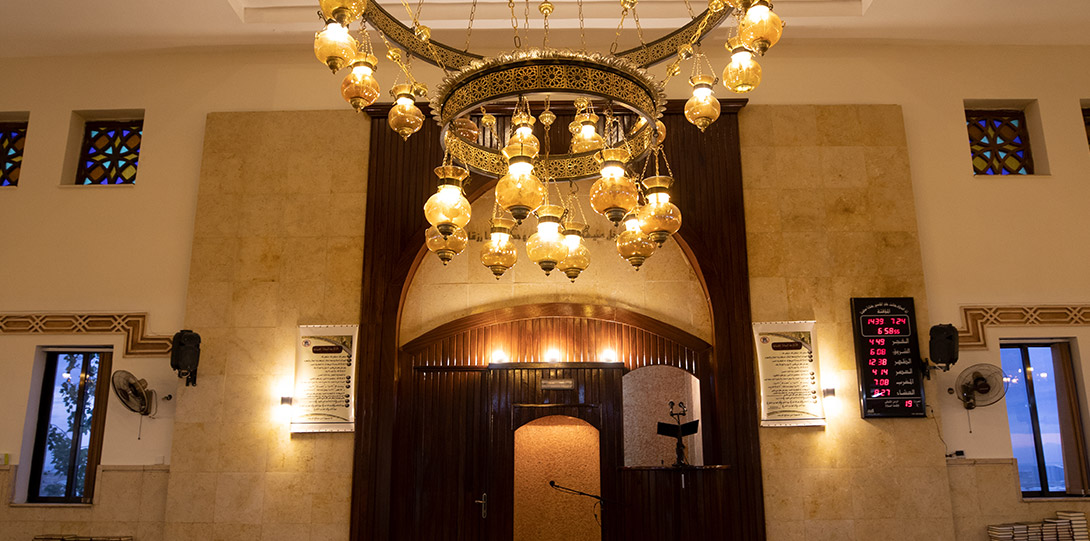
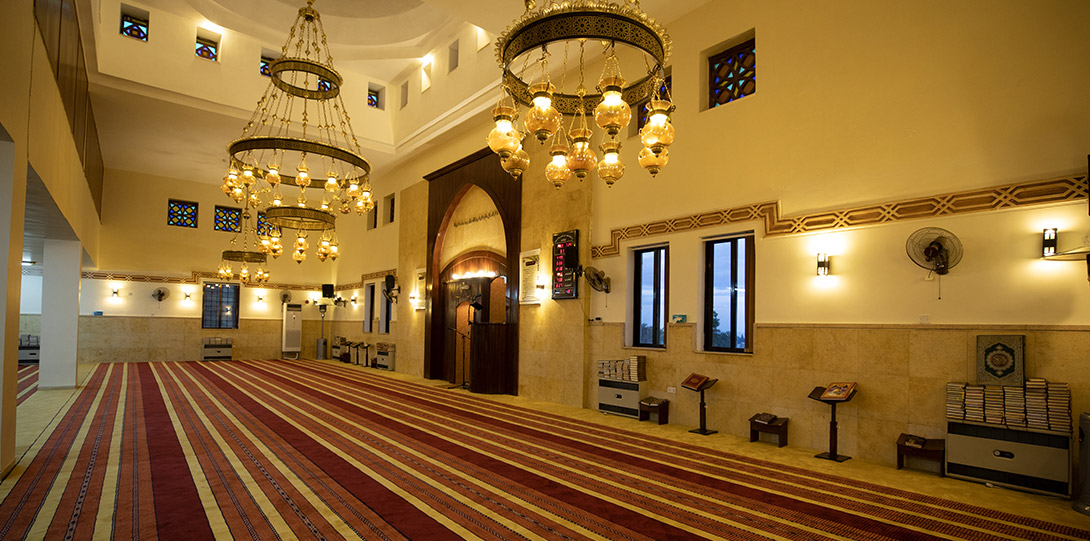
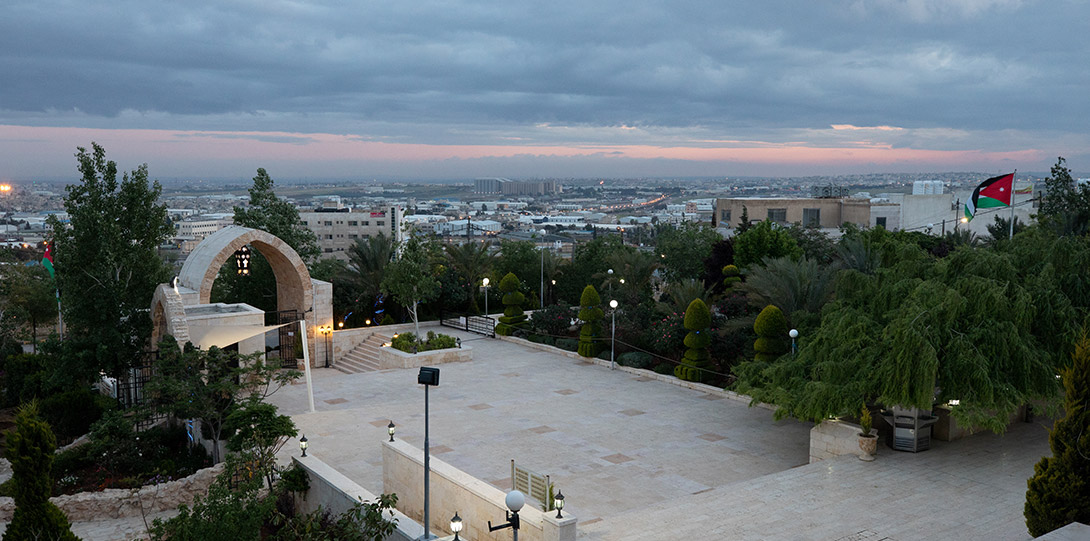
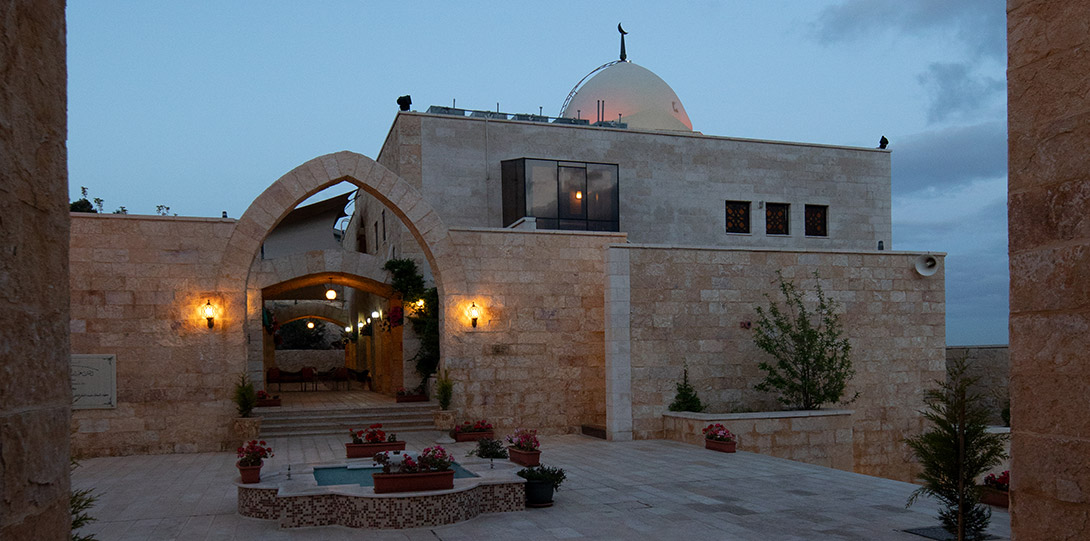
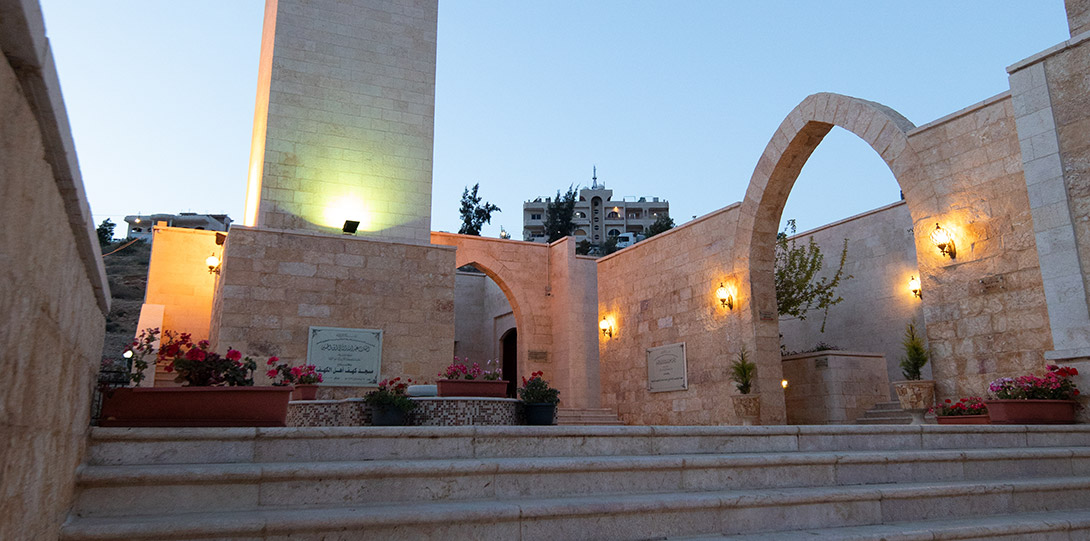
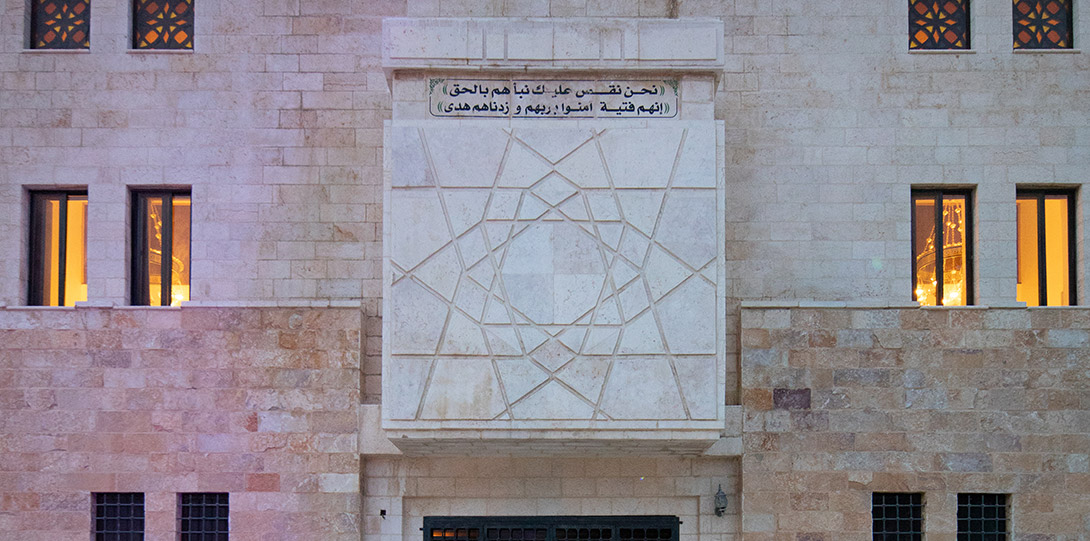
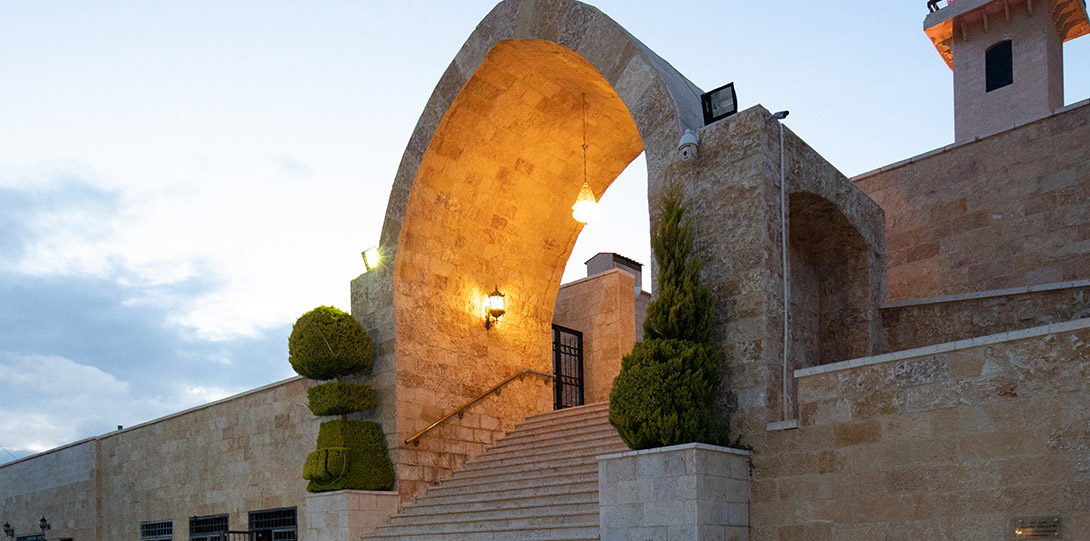
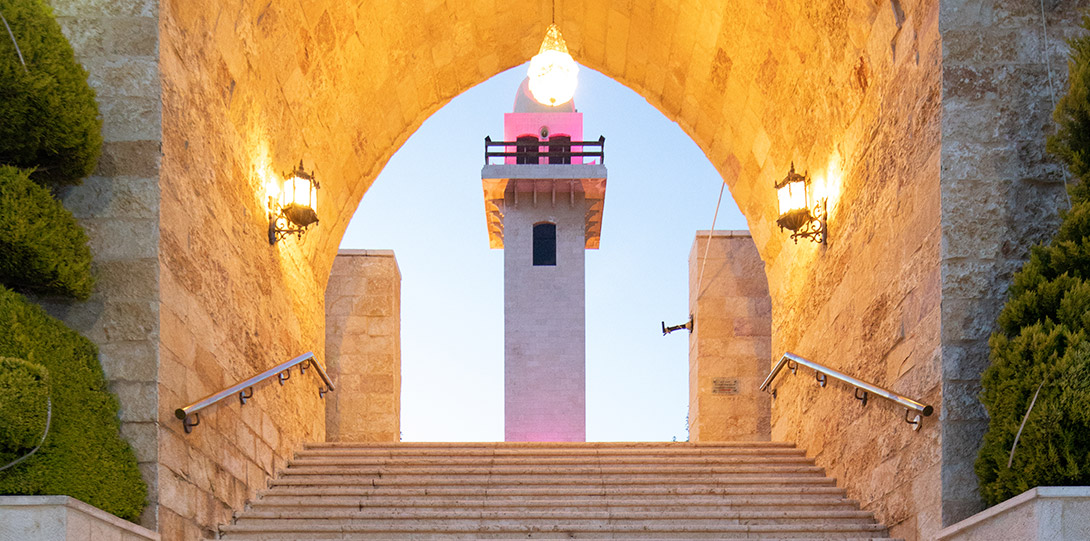
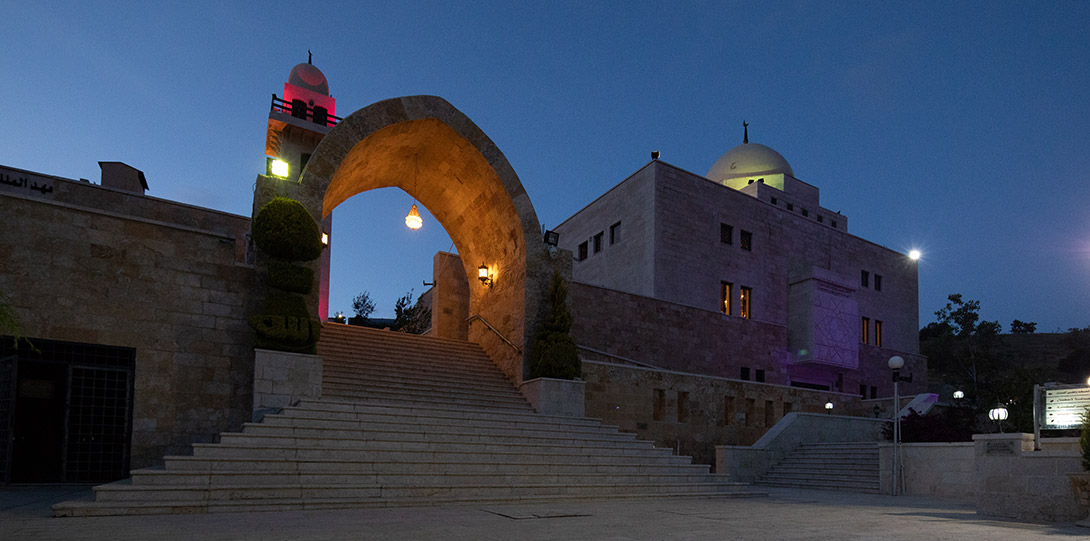
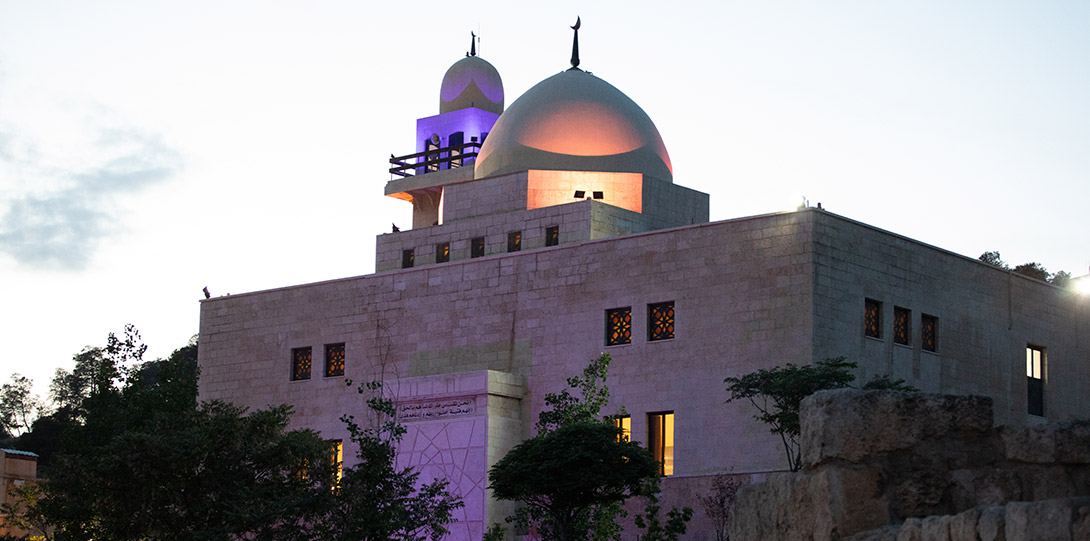
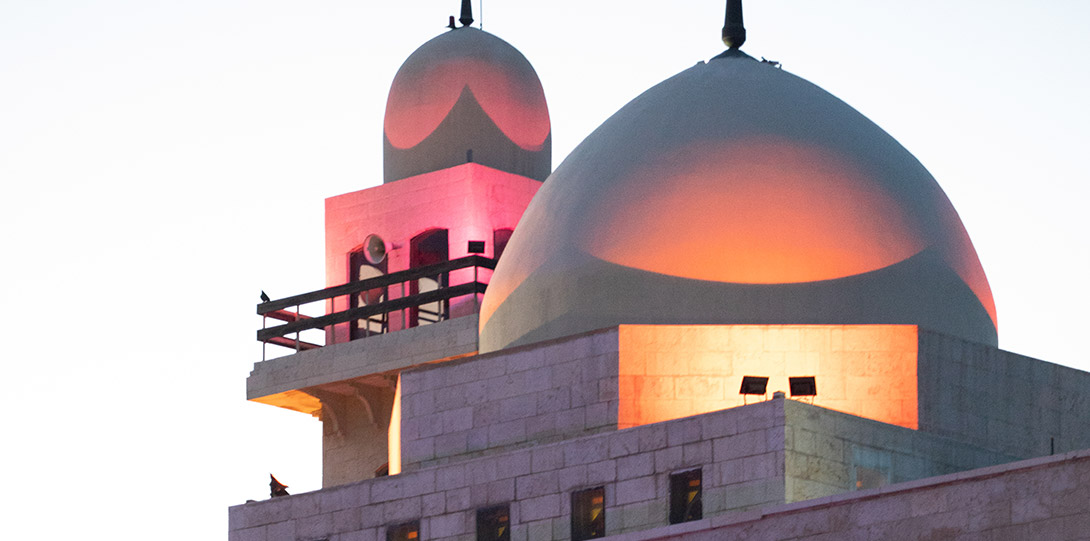
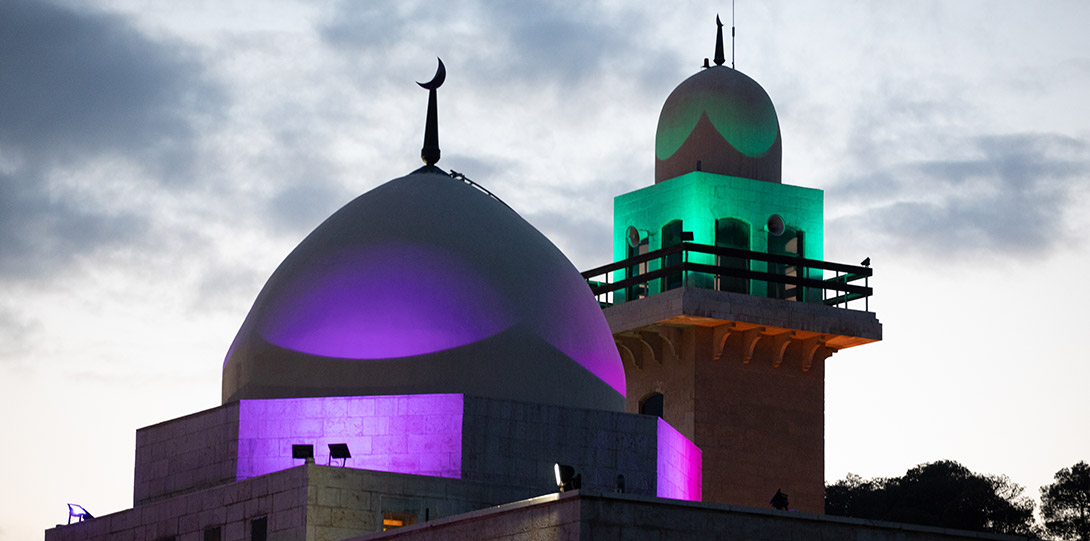
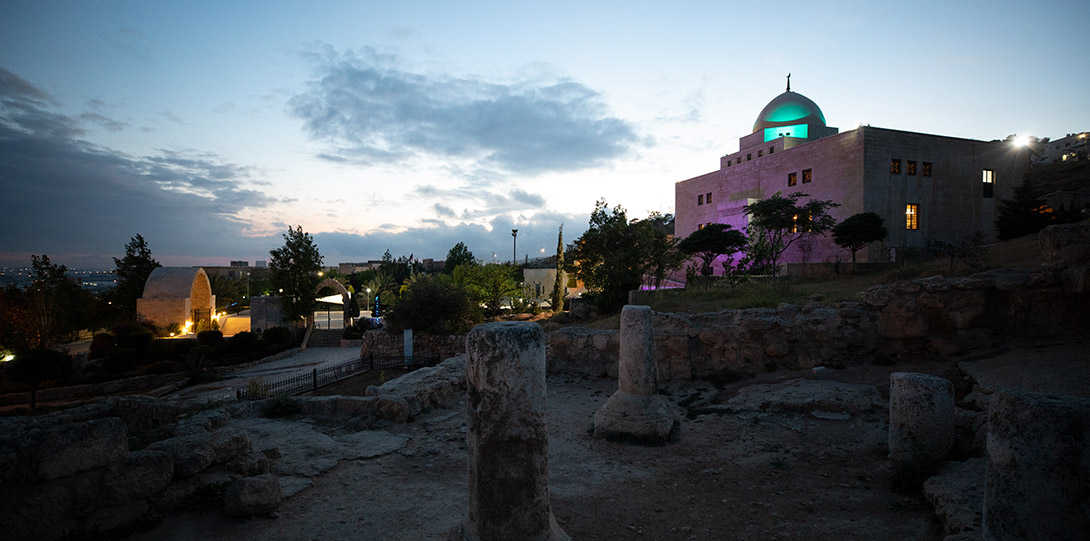
The Cave of Rajib (Al Raqim) is located within a large Byzantine cemetery in the southern outskirts of the capital, Amman, in the lands of Abu Alanda. Its tombs were carved into the slope of a mountain, and the facade of the tomb is adorned with niches and half columns, carved into the rock with floral and geometric decorations. The entrance opens into a central hall, from which three niches branch out, all covered with barrel vaults. There are seven stone tombs in the eastern and western courtyards, adorned with geometric and floral decorations. There is a rectangular gap that connects from the surface of the mountain (the floor of the upper mosque) to the third niche, with a depth of about 4 meters. This gap is currently closed to protect visitors and the cave. The interior walls of the cave are covered with a layer of limestone plaster, featuring many Greek and Arabic inscriptions, as well as some drawings. There are two ancient mosques at the site; the mihrab of the first mosque can be seen above the entrance of the cave, while the second mosque is located in the courtyard in front of the cave. The construction of the two mosques may date back to the Umayyad period, as many inscriptions have been found in the mosques and inside the cave, indicating several attempts to rebuild and renovate the structures throughout different Islamic periods before the site was abandoned at a later stage. In addition to the mosque, there is an ancient olive tree at the entrance of the cave, as well as the remains of an olive press at the southwestern corner of the mosque. The cave is also linked to the location from which the story of the believing youths, mentioned in the Quran in Surah Al-Kahf, originates. This story has been referenced by many Arab historians and geographers. The cave is known as the "Cave of the Raqim," and Raqim is the name mentioned in the Quran. The Department of Antiquities conducted archaeological excavations at the site in 1963 under the supervision of the late Mr. Rafiq Wafa Al Dajani. The modernized mosque complex is situated on a plot of land adjacent to the Cave of the People of the Cave. It consists of a three-level structure and external works, including a prayer hall for men, another for women, the King Abdullah II Institute for Preparing, Qualifying, and Training Preachers, a multipurpose hall, an information center, a museum, administration offices, a library, a Quran learning center, infrastructure works, a cafeteria, accommodations for the imam and the muathin, covered walkways, as well as ablution areas and restrooms for both men and women. The proposed design considers the establishment of an educational path around the archaeological buildings, extending from the project entrance to a small courtyard surrounded by a minor amphitheater. This space can be utilized to introduce visitors to the project and its significance at this site. Then, the path continues to the mosque, to which arcades have been added, along with several distinguished Islamic architectural elements, such as the project's entrances. The complex also includes green gardens, a parking area for visitors, and a perimeter wall surrounding the site along the main street, with a main entrance to the complex. Additionally, there is a reception courtyard with a hall and a rest area that includes a corner for selling religious tourism publications related to the site, as well as photos and slides. Pathways have been designated to access the archaeological site and the mosque within an archaeological garden. Through this project, the archaeological site of the cave and its surroundings will be restored, and the scattered stones around the damaged sections will be returned to their original positions.
Visit Information
Working Hours
From (8:30) am to (7) pmLocation
Abu Alanda - Amman